REVIEW · VERONA
Cesarine: Small group Pasta and Tiramisu class in Verona
Book on Viator →Operated by Cesarine: Cooking Class · Bookable on Viator
A home cooking class in Verona hits different. This small-group Cesarine pasta and tiramisù lesson brings you into a local kitchen for hands-on cooking and a proper, sit-down tasting. I love that you don’t just watch you actively make fresh pasta and learn the sauces that go with it.
What I also like is the focus on real technique, especially for dessert. You’ll learn how to assemble tiramisù the Italian way, with the same “nonna” attention to layers and timing, then finish by eating what you made.
One thing to consider: it happens in a private home setting with shared space. That means you’ll follow the sanitary guidance (including keeping distance, and using masks and gloves if needed), so wear practical clothes and stay ready to pivot with the group.
In This Review
- Key Things You’ll Love About This Class
- What Makes a Cesarine Home Pasta Class Different in Verona
- Before You Go: 3 Hours in Verona and What to Expect on Arrival
- Welcome Aperitivo and Meeting Your Cesarine Host
- Making Fresh Pasta: Two Types, Traditional Sauces, and Real Technique
- Tiramisù Like an Italian Nonna: Layering Skills You Can Reuse
- The End Part Matters: Pasta and Tiramisu Tasting
- Price and Value: Is $162.21 Worth It?
- Who This Class Suits Best (and Who Should Think Twice)
- Quick Tips to Get the Most Out of Your 3-Hour Session
- Should You Book This Cesarine Pasta and Tiramisu Class?
- FAQ
- How long is the Cesarine pasta and tiramisù class in Verona?
- What will I make during the class?
- Is the class offered in English?
- Where does the class start and end?
- How big is the group?
- Does the experience include food to eat?
- Is there a mobile ticket?
- What is the price per person?
- Can I cancel for a full refund?
Key Things You’ll Love About This Class
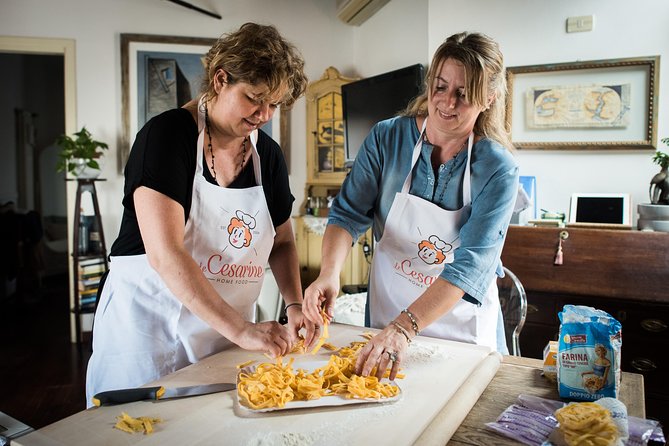
- A Cesarine welcome in a local home with a personal, family-style teaching vibe
- Hands-on cooking for two fresh pasta types plus traditional sauces
- Tiramisù assembly tips that focus on layering and getting it right
- Welcome aperitivo and end tasting, so you eat as part of the experience
- Max 12 people, which keeps it interactive in a home kitchen
What Makes a Cesarine Home Pasta Class Different in Verona
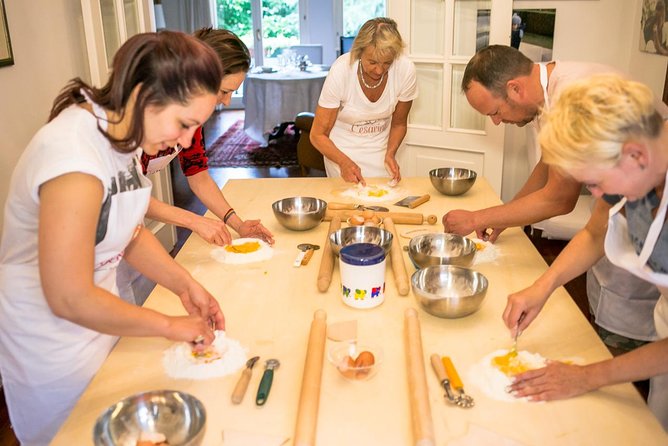
Verona is famous for its food on the street and in trattorias, but this class gives you the other side: how Italians cook at home. With a Cesarine host in their own kitchen, you get instruction in a way that feels more like learning from a friend than doing a scripted demo.
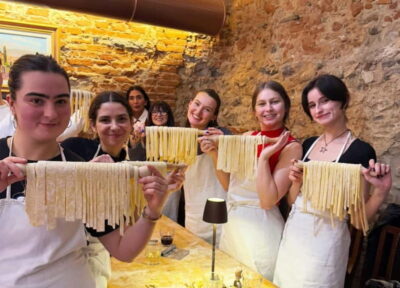
The small-group size matters. With up to 12 travelers, you’re not lost in a crowd, and the host can actually check what you’re doing. That also makes it easier to ask “why” questions, like how sauce thickness changes when you toss hot pasta.
This is also an experience built around rhythm. You start with a welcome aperitivo, then move into cooking, then you shift into dessert, and finally you eat everything. That arc is great if you’re short on time but still want something more memorable than a single meal.
You can also read our reviews of more tours and experiences in Verona.


Before You Go: 3 Hours in Verona and What to Expect on Arrival
The class runs for about 3 hours, and it starts in Verona, then ends back at the meeting point. You’ll be near public transportation, which is useful because Verona traffic and parking can get annoying fast.
A practical tip: plan to arrive a little early so you can settle in without rushing. Since it’s in a home, you’ll likely spend part of the time moving between cooking and tasting areas, and that’s smoother when you’re not scrambling with your bag.
Bring comfortable clothing. Even when the class is neat, fresh pasta work can get a bit messy. Also, follow the sanitary rules described by the experience: keep 1 meter distance when possible, and if distancing isn’t possible, masks and gloves are expected. The homes provide key sanitary items like paper towels and hand sanitizing gel.
Welcome Aperitivo and Meeting Your Cesarine Host
You’ll begin with a welcome aperitivo, which is a smart start for two reasons. First, it signals you’re not just there to cook you’re there to share an evening. Second, it helps you relax into the pace of home cooking, which is usually slower and more flexible than a restaurant kitchen.
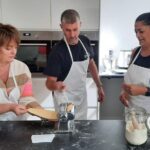
Your host is a Cesarine, and the teaching style is personal and detailed. In real-world examples, hosts like Cristiana and Aurora are described as warm and attentive, with the kind of patience that works well for both adults and kids. If you’re traveling with children, this is often the type of class that keeps them engaged because they get real jobs at the counter.
Since the class is offered in English, you won’t have to “translate in your head” while learning techniques. That doesn’t mean you won’t see Italian cooking terms, but it does mean you can ask questions and follow explanations without guessing.
Making Fresh Pasta: Two Types, Traditional Sauces, and Real Technique
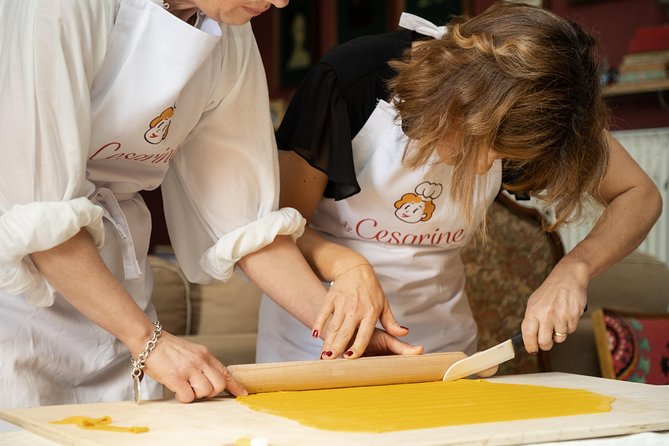
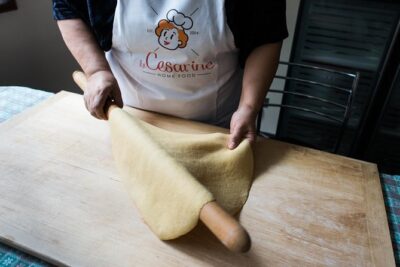
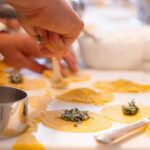
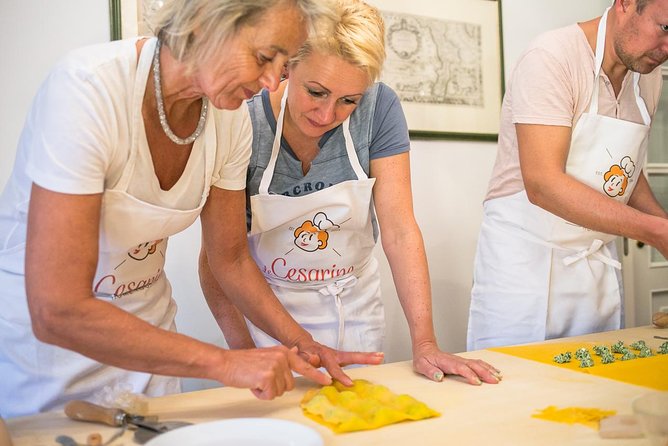
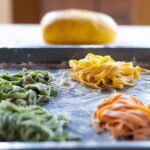
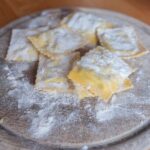
This class is built around you making pasta, not just eating it. You’ll prepare two different types of fresh pasta and pair them with traditional sauces, which is more satisfying than a one-dish workshop because it forces you to learn multiple textures and approaches.
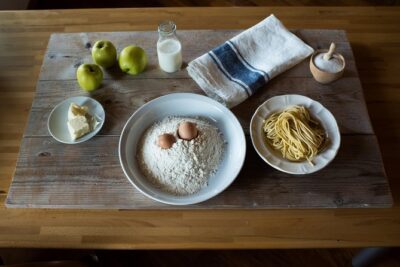
Here’s what that usually means in practice. You’ll work through the steps of fresh pasta making—mixing, shaping, and handling dough in a way that’s very different from cooking dried pasta. Fresh pasta cooks quickly, and the “feel” is a huge part of getting it right, so you’ll likely get guidance while you’re actively doing it.
Then you’ll move into sauces. The phrase traditional sauces is important here: it suggests the sauces are made in a classic style meant to match the pasta you’re using. That’s where real learning happens. Once you know why a sauce clings well, you start cooking like an Italian rather than just recreating a recipe.
Because it’s a shared class, you’ll also get a feel for how a home kitchen works. Food timing is different when you’re cooking for friends. You’ll learn to coordinate your hands and your attention, especially when pasta is cooking and the sauce needs the right moment.
Tiramisù Like an Italian Nonna: Layering Skills You Can Reuse
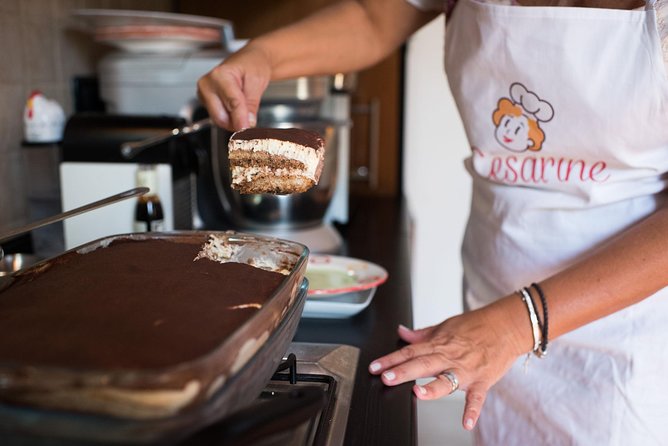
Dessert is the highlight for a lot of people, but this one focuses on doing it correctly. You’ll learn the secrets to assembling tiramisù like an Italian “nonna,” which is really about technique: getting the layers right and treating the dessert with care.
The big takeaway isn’t just that you’ll make tiramisù. It’s that you’ll understand the assembly logic. Layering is where small choices matter—how you spread, how you handle the ingredients, and how you structure the dessert so it holds its texture.
If you’ve ever tried making tiramisù at home and wondered why it turned out watery or uneven, this is the kind of class that can help. You’re working under guidance while the host explains what to look for, so you learn what the finished structure should feel and look like.
After assembly, you’ll get ready for the tasting portion. That’s a nice moment because you aren’t just practicing for practice’s sake—you’re cooking toward a meal you’ll sit down to enjoy.

The End Part Matters: Pasta and Tiramisu Tasting
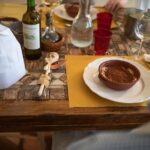
This class doesn’t end with packing leftovers and walking away. You’ll finish with a pasta and tiramisu tasting, which makes the whole experience feel complete. It also helps you connect technique to outcome: you’ll taste the exact pasta and dessert you worked on, not a separate “sample plate” that looks better than it tastes.
For me, the tasting is where the class becomes useful. Cooking lessons are great, but they stick better when you can compare what you did to what you see on the plate. If something didn’t come out perfectly, tasting is still a form of feedback—you’ll learn how the flavors behave together.
It’s also a social moment. You start as a small group of strangers and end with people who just shared a kitchen. In a home setting, that tends to feel natural, less staged, and more like an evening with locals.
Price and Value: Is $162.21 Worth It?
At $162.21 per person, the price is not “cheap,” but it’s also not trying to be. The value is in what’s included: you get a welcome aperitivo, hands-on instruction, and you eat both pasta and tiramisù at the end.
For many cooking experiences, you’re charged for watching and tasting. Here, you’re paying for active work with guidance. You’ll make two types of fresh pasta and traditional sauces plus a full tiramisù assembly, which means you’re not spending 3 hours to learn just one dish.
Also, the small group size matters in the pricing. With up to 12 people, the host can guide you rather than just talk at you. That personal attention is hard to find in larger classes.
Finally, the class tends to book well ahead—on average 36 days in advance. That’s usually a sign that people find it worth their limited time in Verona, and it can sell out if you leave it late.
Who This Class Suits Best (and Who Should Think Twice)
This works especially well if you want an authentic food experience without needing advanced cooking skills. You’ll learn through doing, and the host can correct small issues as they happen. If you’re the type who likes food with a story, you’ll enjoy connecting technique to Italian home cooking rhythms.
It also suits families. In one described experience, a host like Cristiana made the class feel welcoming enough that children (including ages 11 and 9) enjoyed the process. That doesn’t mean every home will feel identical, but it does suggest the format is approachable.
Who should think twice? If you hate mess, you might find fresh pasta work challenging. Also, if you’re very sensitive to shared home spaces, you’ll want to be comfortable following the distance and mask/glove guidance mentioned for sanitary rules.
Quick Tips to Get the Most Out of Your 3-Hour Session
Before you go, decide what you want most from the class. If your priority is pasta skills, pay attention during shaping and sauce matching. If tiramisù is your goal, focus on the assembly steps and watch how the host handles the layers.
Wear something you can move in. Even when the atmosphere is relaxed, you’ll likely stand, work, and taste. If you’re bringing questions, write them down in your phone notes so you don’t forget when you’re mid-step.
And yes, eat the tasting. This is not a “food as a bonus” class. It’s the endpoint that shows you whether the technique you practiced actually works.
Should You Book This Cesarine Pasta and Tiramisu Class?
If you’re in Verona and you want a hands-on pasta and tiramisù experience with real teaching in a home setting, I think it’s a strong booking. The combo of fresh pasta making, traditional sauces, and nonna-style tiramisù assembly is exactly the kind of skill-based memory that lasts longer than a single meal.
Book it if you like interactive classes, you want to eat what you make, and you’re comfortable with the idea that a home kitchen comes with shared space and sanitary precautions. If those points sound good, you’ll likely leave with both full bellies and techniques you can repeat at home.
FAQ
How long is the Cesarine pasta and tiramisù class in Verona?
It runs for about 3 hours.
What will I make during the class?
You’ll prepare two different types of fresh pasta and traditional sauces, and you’ll learn how to assemble tiramisù.
Is the class offered in English?
Yes, it’s offered in English.
Where does the class start and end?
It starts in Verona, VR, Italy, and ends back at the meeting point.
How big is the group?
It has a maximum of 12 travelers.
Does the experience include food to eat?
Yes. You’ll have a welcome aperitivo and then end with a pasta and tiramisù tasting.
Is there a mobile ticket?
Yes, it includes a mobile ticket.
What is the price per person?
The price is $162.21 per person.
Can I cancel for a full refund?
Yes, free cancellation is available. You can cancel up to 24 hours in advance for a full refund.