REVIEW · ASSISI
Assisi: Pasta Making Class with Mamma
Book on GetYourGuide →Operated by Cesarine · Bookable on GetYourGuide
Pasta night in Assisi, made by family. This shared class with Mamma Eleonora turns pasta-making into a real, home-kitchen lesson, with three regional recipes and a meal you help create. It’s the kind of experience where technique and conversation share the same countertop.
What I like most is how practical it feels. You get hands-on work at a proper station—utensils and ingredients laid out for you—and then you taste everything you made with local wine and coffee. I also appreciate the warm, patient teaching style that shows up again and again in the way Eleonora and her family host.
One thing to consider: it’s held in a local home, and for privacy the full address comes only after you book. In some cases, the aperitivo/wine part can take time away from the cooking window, so I’d go in expecting a blended timeline, not a rigid classroom schedule.
In This Review
- Key takeaways before you book
- Pasta-Making in Assisi With Mamma: A Real Home-Kitchen Lesson
- The Class Flow: How Three Regional Pastas Teach You the Basics
- Getting Ready in Mamma’s Kitchen: What Your Workstation Actually Does
- The Meal Part: Aperitivo, Wine, Coffee, and Eating What You Made
- What Eleonora’s Teaching Style Gets Right
- Price and Value: Is $159 Worth It?
- Logistics That Actually Matter: Home Setting, Address, Group Vibe
- Who This Class Is Best For (and Who Might Want Something Else)
- Should You Book Assisi Pasta Making Class With Mamma?
- FAQ
- How long is the Assisi pasta-making class?
- Where does the class take place?
- What language is the instruction offered in?
- What’s included in the price?
- What will I eat and drink during the experience?
- What’s the cancellation policy?
Key takeaways before you book
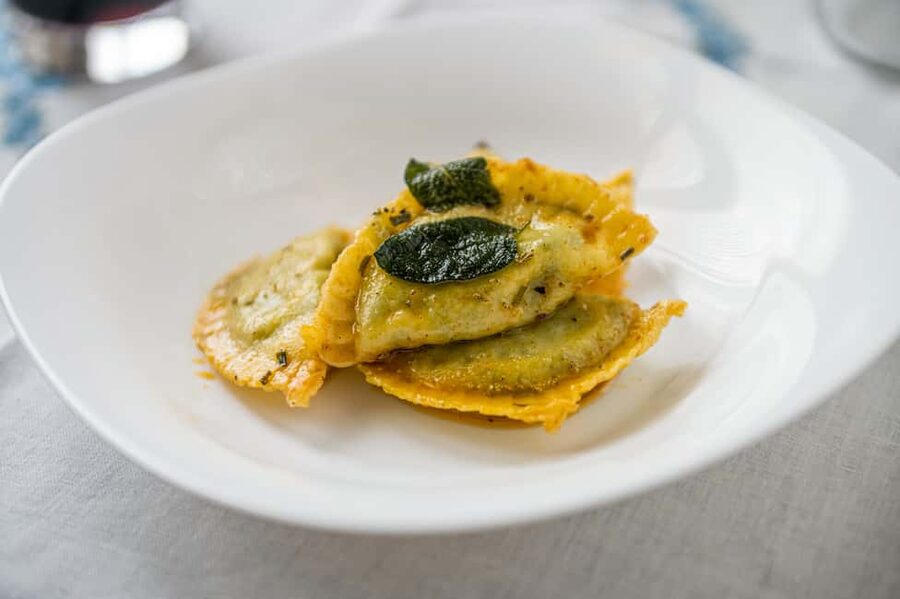
- Mamma Eleonora’s home setup makes it feel personal, not staged.
- Hands-on instruction at your own workstation with ingredients included.
- Three Umbrian pastas taught step-by-step, with technique you can repeat later.
- You eat what you make, paired with local red and white wines plus coffee.
- Prosecco aperitivo and nibbles kick off the evening or lunch rhythm.
- Timing can flex if there’s a wine-shop pre-course stop as part of your session.
Pasta-Making in Assisi With Mamma: A Real Home-Kitchen Lesson
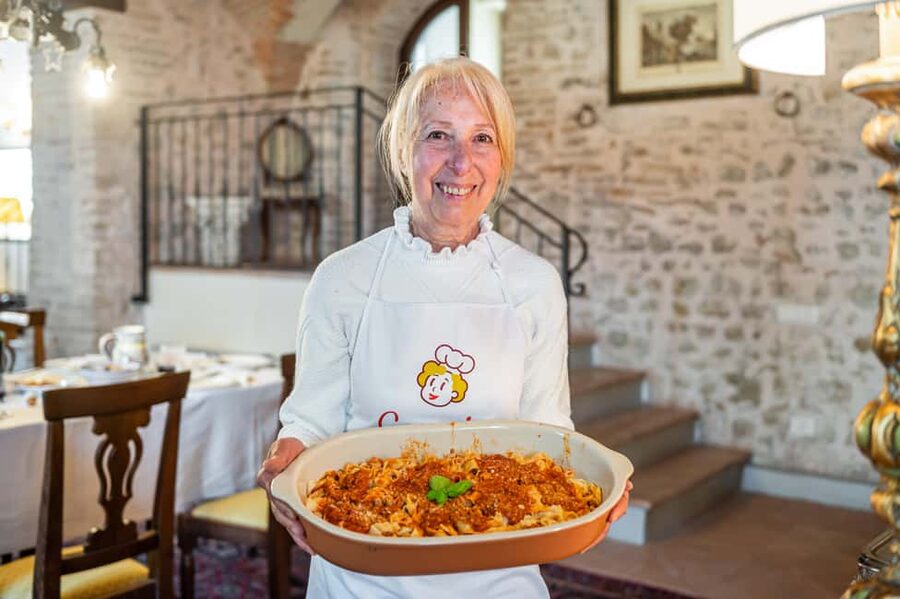
Assisi isn’t just about churches and hilltop views. It’s also about everyday food—simple ingredients, careful handling, and traditions that get passed down at dinner tables. This class leans hard into that. You’re not watching pasta videos. You’re working the dough with an instructor who treats you like a guest, not a paying seat in a production line.
The heart of the experience is shared pasta-making in a local home. That means you’ll be around other participants, learning in a relaxed flow where questions are welcome and pace depends on the group. Several bookings highlight the same theme: the host’s patience. If you’ve ever worried about looking clumsy in front of a sauce, this is the kind of setting where that worry usually fades fast.
And yes, there’s romance to the setting—Assisi’s Umbria vibe, the family-run feel—but the real value is functional. You leave with repeatable knowledge: how pasta dough should feel, how to shape, and how to think about timing so things don’t fall apart while you cook.
The Class Flow: How Three Regional Pastas Teach You the Basics
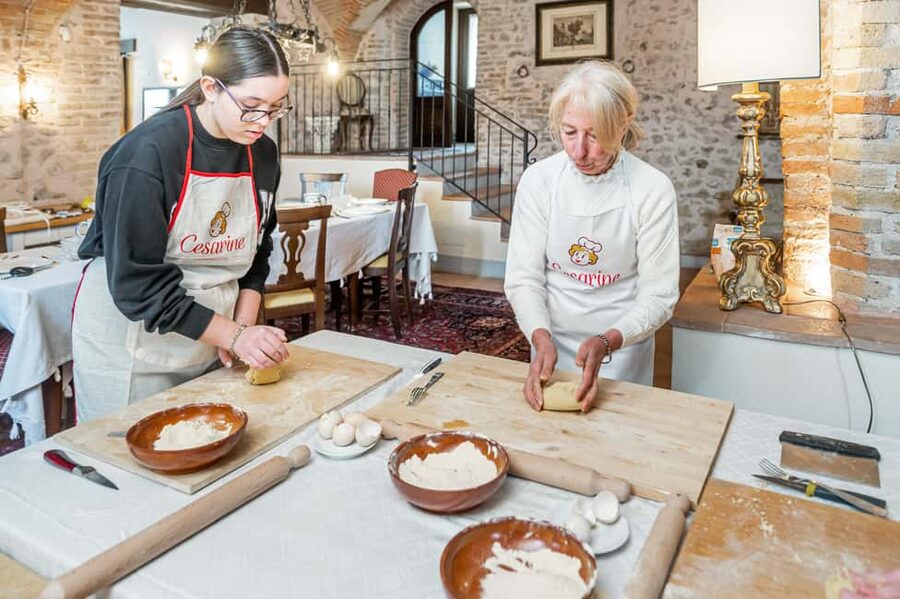
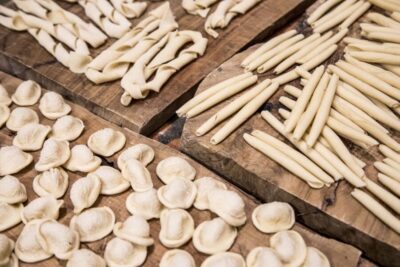
The lesson is built around three iconic regional pasta types. The specific set can vary by session, but you should expect a mix of shapes and techniques. In at least one booking, the cooking included making fettucine-style noodles and ravioli, which tells you something important: this isn’t limited to rolling dough and calling it a day. You’ll likely handle both long-form pasta and filled pasta, which teaches you two totally different skill sets.
Here’s what that usually means in practice:
- Dough work matters. You’ll learn how the ingredients combine into a workable dough, and how to tell if it needs adjustment. Even if you’re not a baker, you’ll pick up on the feel-based cues.
- Shaping is technique, not magic. Pasta shapes come with their own logic—thickness, edges, and handling. Once you see how the host works and you try it yourself, the process becomes clear.
- Timing is part of the lesson. Pasta doesn’t wait. Your instructor’s guidance helps you coordinate hands-on work and cooking so you can sit down to the meal without everything turning into a stress test.
The course also comes with the tools and ingredients. That’s a small detail that matters more than you’d think. In some cooking classes, you spend half your time hunting for gear or missing something you can’t find. Here, your workstation is equipped, so you stay focused on learning.
Also, this is taught in English by an Italian instructor, which is ideal if you want both clarity and the original context behind the recipes. The teaching style in the reviews mentions patience and relaxed fun—so if your Italian is limited, you won’t be left behind.
Getting Ready in Mamma’s Kitchen: What Your Workstation Actually Does
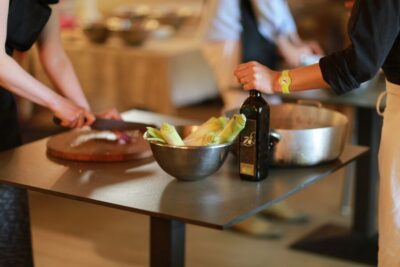
You’re not just tasting. You’re cooking at a workstation set up for you. That means utensils and ingredients are provided, and you’ll have space to work through the steps without constantly asking the host for basic supplies.
This matters because pasta-making rewards rhythm. When everything is already in front of you, you can focus on the important part: learning how the dough behaves.
In a class like this, you’ll usually do three things:
- Prepare or assemble your components (dough and filling if the pasta type includes it).
- Shape and portion with guidance so your pieces are consistent enough to cook well.
- Follow through to the cooking and tasting stage without losing track of time.
The shared format also changes the vibe. Instead of one-on-one attention the whole time, you get instruction in a group setting. That can be great, especially if you like chatting and comparing notes. You’ll see how other people handle the same steps, which helps you fix your own technique faster.
If you’re the kind of person who likes to go home and make the same dish again for friends, this setup is a big plus. It’s easier to recreate a recipe when you remember the workflow you actually did.
The Meal Part: Aperitivo, Wine, Coffee, and Eating What You Made
This is one of those experiences where the meal isn’t an afterthought. You help make the pasta, then you sit down to taste the dishes you prepared, with drinks included.
The package includes:
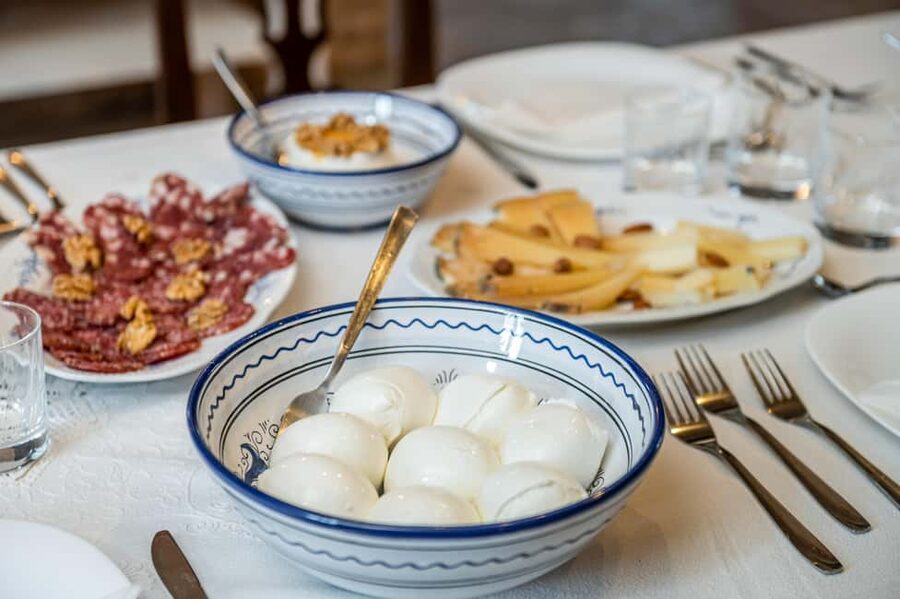
- Italian aperitivo with prosecco and nibbles
- Beverages such as water, wine, and coffee
- A meal featuring your three pasta recipes, matched with red and white local wines
That pairing is a big deal. Wine in Italy isn’t just a drink; it’s part of the pacing. You start with aperitivo, then shift into pasta, then round it out at the table with coffee. It’s a natural progression that keeps the whole experience from turning into a classroom exercise.
One review mentioned the pre-course at a wine shop across the street while the host prepared. That’s a useful heads-up. In some sessions, you may spend part of the start time with the aperitivo component away from the kitchen. The good news: it adds a bit of local context. The consideration: if you’re expecting only cooking time in the “two-hour” window, that time blending could feel tighter than you want.
If you go in expecting both cooking and eating, you’ll likely love the rhythm. Pasta makes best sense when you taste it soon after you’ve shaped it—warm, cooked properly, and still tasting like the process you just did.
What Eleonora’s Teaching Style Gets Right
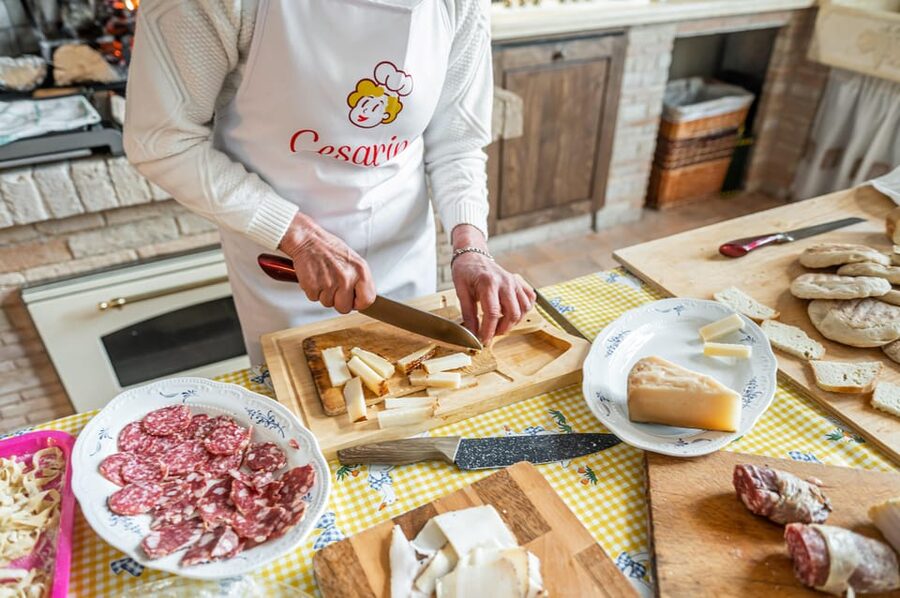
If there’s a consistent theme across high ratings, it’s that the teaching feels human. Reviews highlight that Eleonora is patient, kind, and genuinely enthusiastic. In practical terms, that means you’re less likely to get stuck with an instructional gap.
Here’s why that matters for you:
- You can ask questions without feeling rushed.
- You learn technique rather than just a one-time trick.
- You leave more confident about repeating the pasta at home.
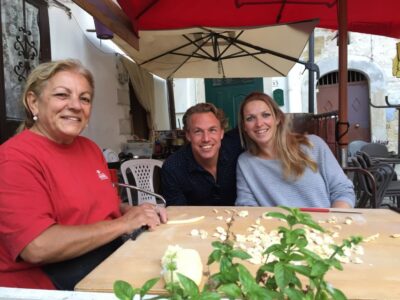
There’s also something comforting about the family atmosphere. One booking described a mother-and-daughter pairing. That kind of setup often makes a cooking class feel like a shared memory rather than a timed activity. Even if you’re traveling solo, that warmth can make you feel like you’ve been let into a real routine, not booked into a generic experience.
Eleonora’s class is also positioned as a shared experience with conversation. If you enjoy learning through small talk—where the host explains not just what to do, but why it matters—that’s your sweet spot.
Price and Value: Is $159 Worth It?
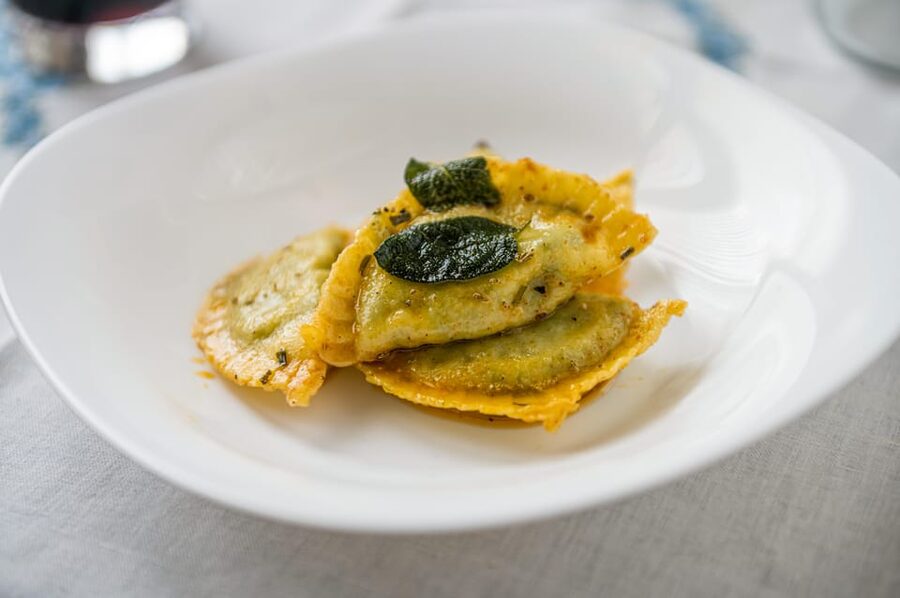
At $159 per person for a two-hour session, this isn’t a budget cooking activity. But it also isn’t an overpriced “tourist dinner.” The value is in what’s included and how the time is used.
Here’s what you’re getting for the money:
- A pasta-making class focused on three pasta types
- Ingredients and utensils provided at your workstation
- Aperitivo with prosecco and nibbles
- Local wine (red and white), plus water and coffee
- Local taxes
- A meal that includes tasting the dishes you made
When a class includes both the instruction and the full meal (with drinks), you’re paying for multiple parts: teaching, cooking space, food, and wine. That can make the price feel more reasonable than it looks at first glance.
Where you should be honest with yourself is time expectations. If your priority is maximum hands-on cooking minute-for-minute, the wine-shop aperitivo component (in some sessions) could feel like it shifts the balance. On the other hand, if you want a full Assisi evening—apertivo, cooking, and a sit-down meal—this pricing can feel fair.
My practical advice: treat it as an experience with a meal attached. That framing keeps the value clear.
Logistics That Actually Matter: Home Setting, Address, Group Vibe
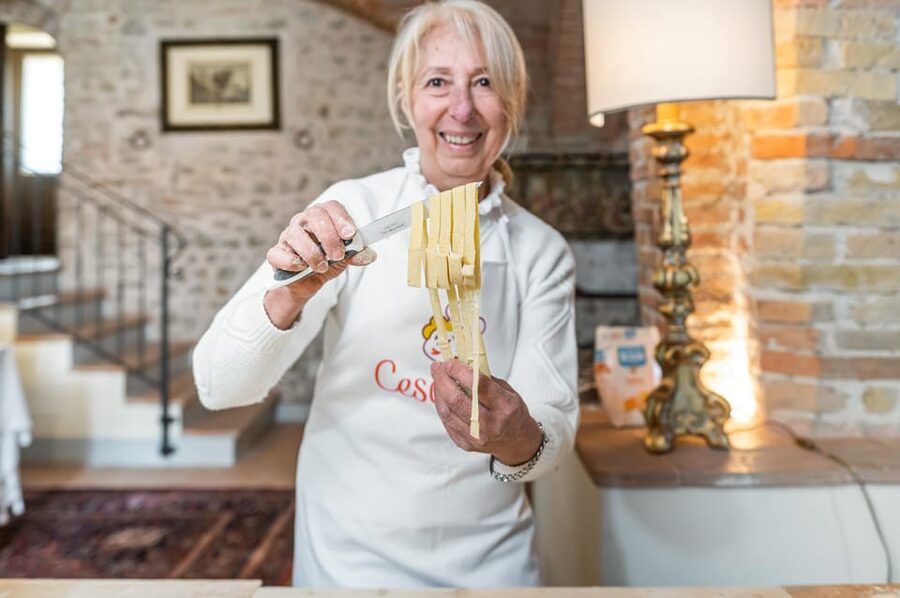
This class is held in a local’s home. For privacy, you don’t receive the full address until after booking. That’s common for home-based experiences, and it’s worth planning for.
What it means for you:
- Build extra buffer time so you can park and find the place without stress.
- Expect a real residential feel, not a polished restaurant environment.
The shared format means you won’t be alone at the counter. That’s usually a plus for atmosphere. But it does mean the pace is group-paced, and the host will likely manage multiple people through the steps and tasting.
The instructor speaks Italian and English, which helps a lot if you want clear explanations. The reviews also emphasize relaxed vibes, which suggests you won’t be tested or judged for mistakes. Pasta fails are normal. This class seems built for learning from them.
Who This Class Is Best For (and Who Might Want Something Else)
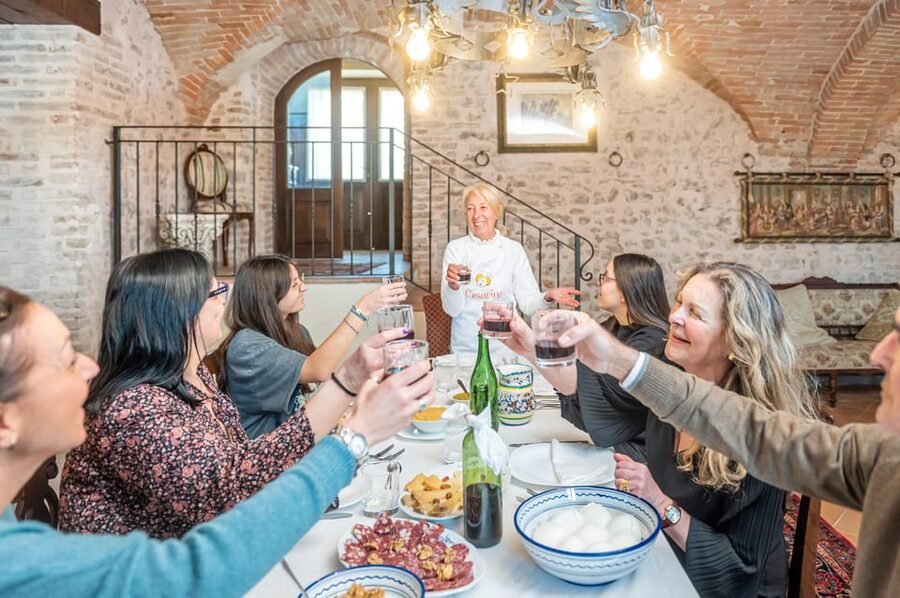
This experience is a great match if you:
- Want a hands-on cooking class with a meal you’ll actually eat
- Like learning in a relaxed family-style home setting
- Prefer practical technique over a fast “watch and snack” format
- Are excited by both noodle shaping and filled pasta (like ravioli-style work)
You might reconsider if:
- You want a tightly timed, strictly cooking-only class with zero time spent elsewhere
- You’re highly sensitive to upsell-style moments at partner stops (one negative review mentioned wine-shop upselling and time shifting)
- You’re expecting a large production with lots of staff. This is a home experience, not a restaurant show kitchen
In plain terms: this class fits people who enjoy learning, eating well, and treating cooking like a conversation.
Should You Book Assisi Pasta Making Class With Mamma?
If you want an authentic-feeling evening in Assisi—hands-on pasta skills, a welcoming home setting, and a table full of what you made—this is the kind of booking that can become a trip highlight. The consistent praise focuses on patience, fun, and the sense that you’re learning for real, not just “checking the box.”
My tipping point is this: the meal and wine aren’t filler. They’re part of why the class works. If that sounds appealing, book it.
If, however, your biggest goal is maximum cooking time with strict timing and no pre-course stops, read the session length expectations carefully. A blended schedule can be delightful—just go in knowing it’s not always a pure kitchen-only two hours.
FAQ
How long is the Assisi pasta-making class?
The class duration is 2 hours.
Where does the class take place?
It’s held in a local’s home. For privacy reasons, you only receive the full address after you book.
What language is the instruction offered in?
The instructor teaches in Italian and English.
What’s included in the price?
Included are local taxes, a pasta (3 iconic types) making class, and a tasting of the dishes you prepare. Beverages are also included, including water, wines, and coffee, plus an Italian aperitivo with prosecco and nibbles.
What will I eat and drink during the experience?
You’ll taste the three pasta recipes you make, and you’ll have drinks including prosecco (aperitivo), local red and white wines, plus coffee.
What’s the cancellation policy?
There is free cancellation up to 24 hours in advance for a full refund.