REVIEW · VERSILIA
Cesarine: Small group Pasta and Tiramisu class in Viareggio
Book on Viator →Operated by Cesarine: Cooking Class · Bookable on Viator
A kitchen lesson in a real home can beat any restaurant. This Viareggio class pairs small-group energy with a Cesarine home cook setting, so you get hands-on pasta technique and a proper meal.
I love that you learn handmade pasta (not just watch it happen) and that the evening ends with you sitting down together for what you made. I also like the relaxed, family-style teaching, where questions are welcome and pace is human.
One possible drawback: this is a home setting, so you’ll want to be comfortable with a slightly informal vibe—and language help may mean some Italian-English mixing along the way.
In This Review
- Key things to know before you go
- Viareggio at home: what Cesarine cooking is really like
- The 3-hour flow: pasta dough to tiramisù finish
- Making handmade pasta: the skills you’ll actually remember
- Tiramisu like a family dessert (not a bakery trick)
- What you eat (and the drinks that make it feel like dinner)
- Price and value: what $162.19 buys you in Viareggio
- Meeting point and getting there without stress
- Who this class is best for (and who may want to choose something else)
- Practical tips to make your evening smoother
- Should you book Cesarine: Small group Pasta and Tiramisu in Viareggio?
- FAQ
- How long is the Cesarine pasta and tiramisù class in Viareggio?
- What will I make during the class?
- Is the class offered in English?
- How big is the group?
- Where does the class start?
- What is the cancellation policy?
Key things to know before you go
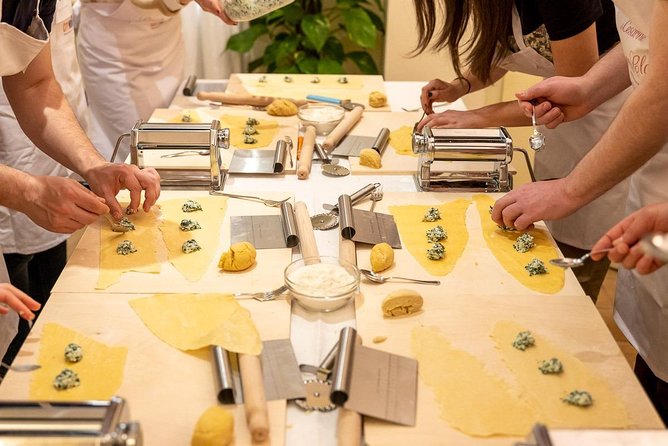
- Small group (max 12): easier questions and more time at your work station
- Handmade pasta focus: you’ll learn pasta skills you can repeat at home
- Two pasta dishes + tiramisù: the menu is simple and very Italian
- Home-cooked hospitality: expect a warm welcome and a meal that feels shared
- Cesarine hosts vary: some sessions are led by hosts like Paola or Anna, plus family members
Viareggio at home: what Cesarine cooking is really like
This class is built around a simple idea: learn Italian comfort food where Italians actually make it—inside a private home in Viareggio. You’re not dealing with a demo stage and a crowd of passively filming people. You’re in a working kitchen with a real cook who’s used to feeding family, friends, and the occasional stranger who’s about to become one of the family.
The Cesarine hosts (the home cooks) are the heart of the experience. In the sessions I saw mentioned, hosts included Paola and Anna, often with family members pitching in—think Massimo and Roberta showing up in the kitchen and at the table. That family involvement matters because it changes the teaching style: you’re more likely to get practical tips and the little “why this works” explanations that you usually miss in a formal class.
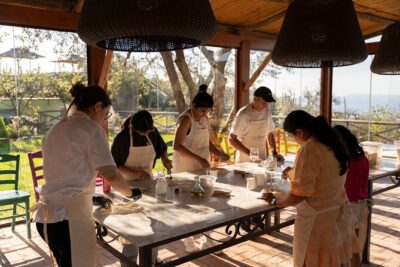
And since the group size tops out at 12, you won’t feel like a number. You can ask what went wrong when your dough feels too dry, or how to shape pasta so it cooks evenly. In an intimate setting, even small mistakes become part of the lesson.
The 3-hour flow: pasta dough to tiramisù finish
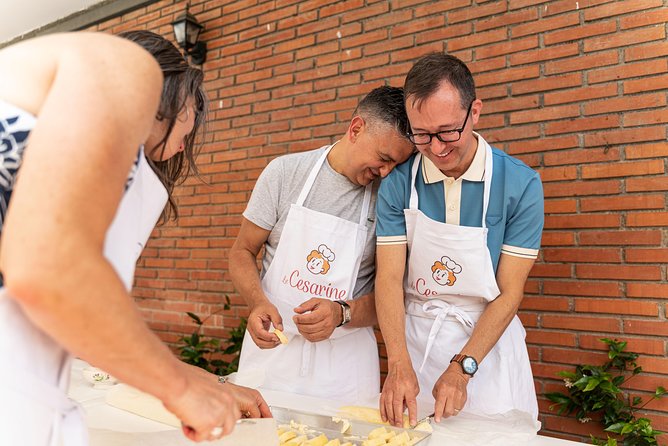
The class runs about 3 hours and ends back at the meeting point in Viareggio. The timing is long enough to do real work, but short enough that it still feels like an event—not a full-day marathon.
Here’s the rhythm you can expect:
- You start with an orientation and get set up in the kitchen.
- You then tackle two pasta dishes with handmade pasta technique. That usually means learning how to mix, knead, roll, and portion dough (and then shaping for your chosen pasta).
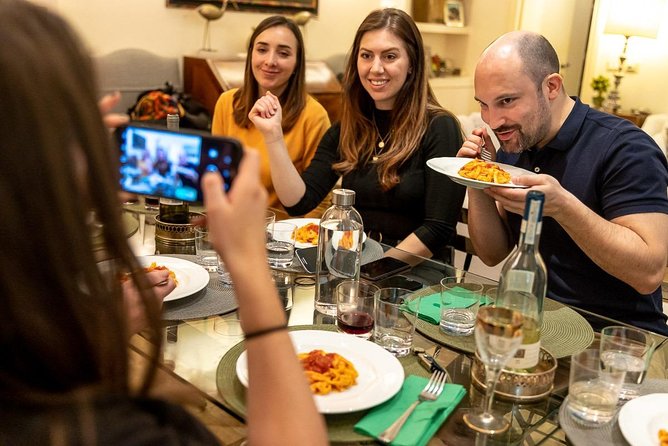
- After the pasta-making, you sit down for the meal you made.
- Then the focus shifts to tiramisù, finishing with a dessert that’s classic for a reason.
Some evenings roll straight from cooking into shared table time. In the experiences described, it wasn’t just eat-your-portion and leave—hosts kept the atmosphere social. You might even find an aperitivo vibe before or alongside dinner, and some hosts mentioned sharing a local finishing touch like limoncello. Nothing complicated, just the kind of small rituals that make the meal feel like a night out with people who actually live here.
Making handmade pasta: the skills you’ll actually remember
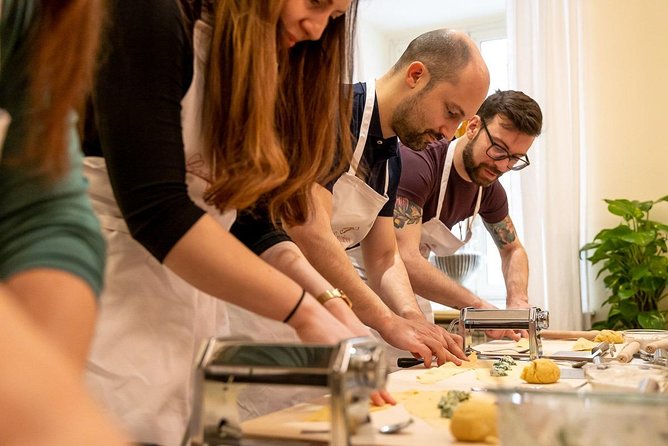
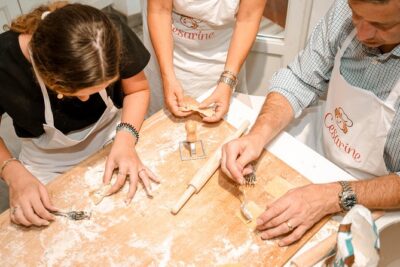
The big win here is that you’re learning pasta with your hands, not watching someone else do it. And because the class is small, you get feedback in real time.
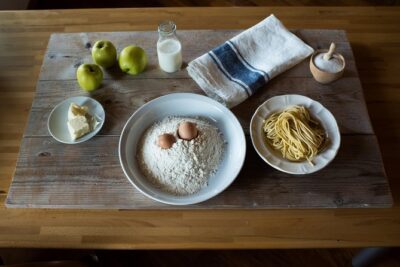
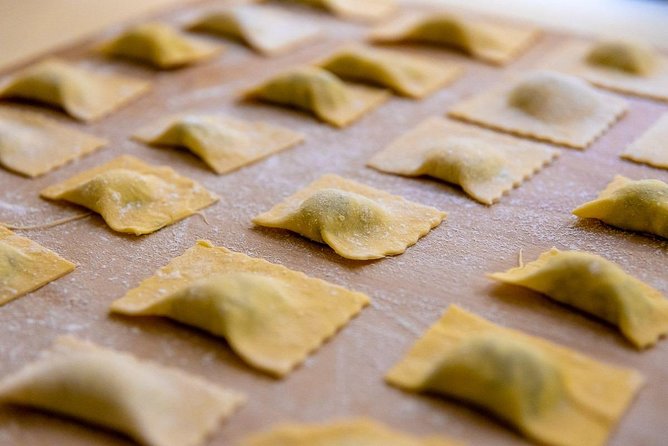
The menu centers on iconic Italian pasta styles. Across the examples shared, pasta types that came up included ravioli, tagliatelli, and tortelli. Even if your exact pasta shapes differ by session, the underlying technique is the same: understanding dough texture, managing flour and water balance, and learning how to roll without tearing.
What I like most about this kind of instruction is that you leave with repeatable muscle memory. It’s one thing to think you can make pasta at home. It’s another to have learned the specific cues—how the dough should feel, when it’s ready, and what to do when it’s not cooperating.
Also, don’t be surprised if the teaching includes a mix of Italian and English. In some classes described, people used translation help, and it didn’t ruin the flow. If you’re even passably curious, you’ll pick up enough key words to follow shaping instructions and timing cues.
One more detail: home kitchens sometimes include family helpers. In a few sessions, that included meeting a household pet while you cook—dogs like Tobia/Toby and Pina were mentioned. It sounds quirky, but it reinforces the real point: you’re in someone’s home, not a staged cooking studio.
Tiramisu like a family dessert (not a bakery trick)
Tiramisu can look simple on paper: layers, cream, espresso, and patience. The hard part is getting the texture and balance right.
This class teaches you to make tiramisu as part of the same evening. You’re not waiting for a separate dessert workshop. That matters because your dessert work sits in context: you’ll already be comfortable in the kitchen, and the pace stays relaxed after pasta.
Because the class is in a home, the tiramisù approach tends to be practical. You’re more likely to learn how the host checks consistency and thickness, and what they do differently from common shortcuts. And since you’re eating together at the end, you also get a built-in quality check: you can taste what you made and understand why it works.
The dessert portion also gives the evening a satisfying close. More than one person described the overall night as memorable partly because the tiramisù felt like the final chapter of cooking alongside the host family—laughter, conversation, and a table meal that doesn’t feel rushed.
What you eat (and the drinks that make it feel like dinner)
Your sample menu is straightforward: pasta for the main and tiramisù for dessert, with drinks included. That’s the deal.
In the experiences shared, drinks often included wine, and some sessions also mentioned limoncello as part of the fun. Even if your exact drink lineup varies by host and shopping that day, you should expect the meal to be paired with something to sip while you talk.
The value here is not just the food—it’s the full package. You’re making the meal, then eating it in the same setting with the same people who taught you. That’s how you learn Italian home cooking culture: not by copying recipes, but by seeing how meals move from kitchen work to shared plates.
Price and value: what $162.19 buys you in Viareggio
At $162.19 per person for about 3 hours, this is not the cheapest thing on a Viareggio day. But it also isn’t trying to be.
You’re paying for:
- A small-group experience (max 12)
- A real home kitchen setting with a host guiding you step-by-step
- Hands-on instruction for multiple items (two pasta dishes plus tiramisù)
- The meal you cook, including drinks
The biggest value factor is instruction quality in a non-crowded environment. If you’ve ever taken a class where you watch half the time and do half the work, you know how quickly that feels overpriced. This one is designed to keep you active—dough in your hands, shaping under guidance, and a dessert at the end that you’ll want to recreate.
If your goal is a quick Instagram meal, there are easier options. If your goal is real technique and an Italian home dinner experience you can bring back to your own kitchen, the price starts to make sense fast.
Meeting point and getting there without stress
The meeting point is listed as 55049 Viareggio, Province of Lucca, Italy, and the activity ends back there. The class is near public transportation, which helps if you don’t want to rent a car just for cooking.
In the experiences described, people mentioned arriving by train and then walking to the home. So if you’re planning day trips around Versilia, build in a little buffer for that short walk and for the fact that private homes aren’t always signposted like restaurants.
Bring a bit of patience, too. Expect the rhythm of a home kitchen: you might arrive, be greeted, and then start working with whatever the host needs you to do first.
Who this class is best for (and who may want to choose something else)
This works especially well if you:
- Like hands-on cooking and want to learn technique, not just recipes
- Enjoy chatting with locals in a smaller setting
- Want a memorable Viareggio evening that feels personal, not generic
- Are traveling with a friend or family group and want something everyone can do together
It may be less ideal if you:
- Want a strict, textbook-style class with lots of lectures and minimal interaction
- Don’t like informal household settings (kitchen chatter, family members nearby, pets in the home)
If you’re not sure, think about how you like learning. If you enjoy doing, tasting, and asking, this is your kind of class.
Practical tips to make your evening smoother
Here are a few things that help you get the most out of a home pasta-and-dessert class in Viareggio:
- Wear comfortable clothes with a little give. Kneading and rolling can get messy.
- Be ready to work with small instructions that may come in mixed Italian and English. Keep your focus on what your hands need to do.
- If you have dietary needs, ask. One class description mentioned that a host designed the menu to fit dietary needs, which suggests flexibility at least in some cases.
- Don’t plan a super tight schedule right after. Once you sit down to eat, the vibe can stretch a bit, and that’s often the best part.
Should you book Cesarine: Small group Pasta and Tiramisu in Viareggio?
I’d book it if you want a real Italian home cooking night with clear hands-on results: two handmade pasta dishes, tiramisu, and a meal that includes drinks, all in a small group. The consistent praise centers on warmth, teaching patience, and the feeling of being welcomed into a family kitchen—especially when hosts like Paola or Anna guide you through each step and then share the table with you.
If you’d rather stick to restaurant dining only, or if you need highly formal, staged instruction, you might feel this is too “homey.” But for most people looking for authentic local food experience in Versilia, this is the kind of activity that becomes a favorite story from the trip.
FAQ
How long is the Cesarine pasta and tiramisù class in Viareggio?
The class lasts about 3 hours.
What will I make during the class?
You’ll make two pasta dishes with handmade pasta and also learn to make tiramisù.
Is the class offered in English?
Yes. The class is offered in English.
How big is the group?
This is a small-group experience with a maximum of 12 travelers.
Where does the class start?
The meeting point is listed as 55049 Viareggio, Province of Lucca, Italy, and the experience ends back at the same meeting point.
What is the cancellation policy?
Cancellation is free. You can cancel up to 24 hours in advance for a full refund, and the cutoff is based on the experience’s local time. If it’s canceled because a minimum number of travelers isn’t met, you’ll be offered a different date or a full refund.