REVIEW · ROME
Rome: Hands-on Fettuccine, Ravioli & Tiramisu Cooking Class
Book on Viator →Operated by Bella Vita Food Tours · Bookable on Viator
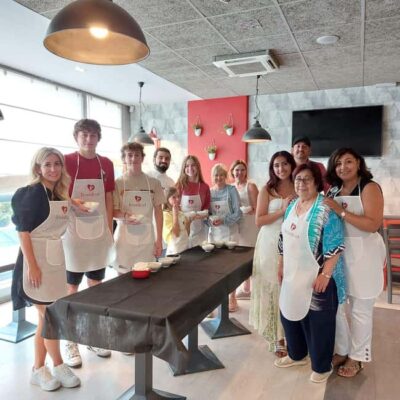
Fresh pasta dough feels oddly therapeutic. In this Rome class, I love the hands-on pace and the chance to work with a chef in a maximum of 14 person group. It turns Italian food from something you order into something you can actually repeat.
The food plan is also smart: you make two pasta dishes and a classic dessert, then you sit down and eat what you made. The main downside is timing; it’s about a 3-hour stretch, so it’s best if you’re ready to get your hands busy and stay on schedule.
In This Review
- Small-Group Cooking in Rome: What Makes It Worth Your Time
- Chef-led, hands-on instruction
- Two pasta styles in one class
- Tiramisu built step-by-step
- Limited to 14 for real attention
- You eat at the end, not later
- Rome Cooking Class Basics: Location, Timing, and How It Works
- Making Fresh Pasta Dough in Rome: Fettuccine and Ravioli
- What you’ll realistically do (so you can plan)
- Fettuccine: Rolling and Shaping Without the Mystery
- Ravioli: Filling and Sealing (The Part That Feels Like Magic)
- Tiramisu in Rome: Mascarpone, Espresso, and Layering Skills
- Eating What You Made: The Table Moment in Rome
- Price and Value: Is $71.38 a Good Deal in Rome?
- Who This Cooking Class Is Best For (and Who Might Skip It)
- Tips for Your First-Time Pasta Maker in Rome
- Should You Book This Rome Fettuccine, Ravioli, and Tiramisu Class?
- FAQ
- Where is the meeting point?
- How long is the cooking class?
- What’s the group size?
- What dishes will I make?
- Is this a hands-on cooking experience?
- What’s included in the price?
- What is not included?
- How do I get access—do I get a ticket?
- Is free cancellation available?
Small-Group Cooking in Rome: What Makes It Worth Your Time
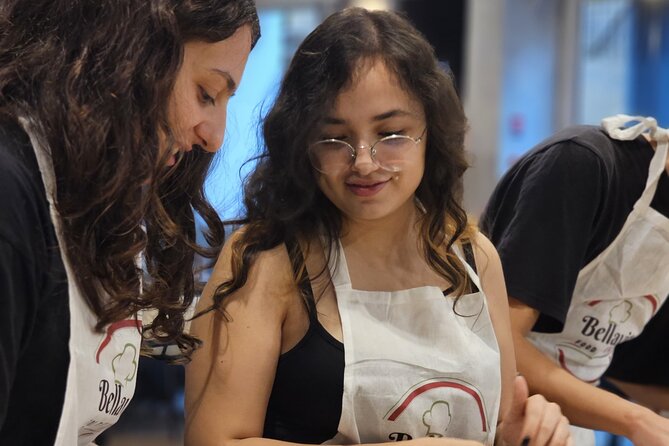
Chef-led, hands-on instruction
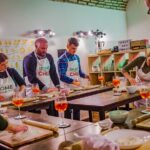
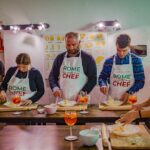
You’re not watching someone else cook. You’ll knead, shape, fill, and assemble with guidance from a professional chef instructor, which is the fastest way to learn the texture and technique for fresh pasta.
You can also read our reviews of more tours and experiences in Rome.
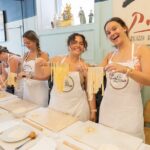
Two pasta styles in one class
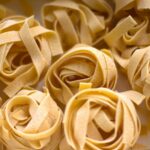
You’ll work on fresh pasta dough and turn it into fettuccine and ravioli. That combo teaches both rolling/stretching and the satisfaction of forming filled pasta.
Tiramisu built step-by-step
You’ll craft a classic tiramisu using mascarpone and espresso-soaked ladyfingers. This is dessert-making that’s practical, not mysterious.
Limited to 14 for real attention
With a maximum of 14 people, you’re more likely to get help when your dough feels off or your shaping needs a quick fix.
You eat at the end, not later
Once your plates are ready, you share the meal with the group in a friendly setting—so the learning and the payoff happen in the same visit.

Rome Cooking Class Basics: Location, Timing, and How It Works
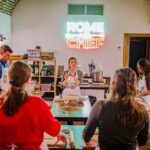
This is a straightforward, do-it-yourself cooking class in central Rome. You meet at Via Firenze, 8, 00184 Roma RM, and the activity ends back at the same meeting point, so you don’t have to worry about a long end-of-tour trek.
Plan on about 3 hours total. That’s long enough to make dough, form two pasta dishes, and put together tiramisu, but short enough that you’ll want to arrive on time and keep moving with the group.
You get the essentials: a professional chef instructor, plus all ingredients and equipment, including an apron and utensils. That matters in Rome, because you can skip the hassle of finding specialty ingredients or renting tools on your own.
One more practical note: transportation is not included, but the start location is near public transportation. If you’re already walking around Rome with a tight schedule, this kind of meeting point is easy to plug into your day.
Making Fresh Pasta Dough in Rome: Fettuccine and Ravioli
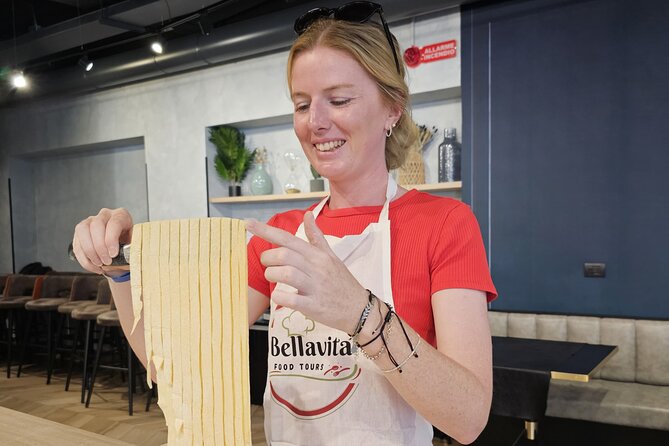
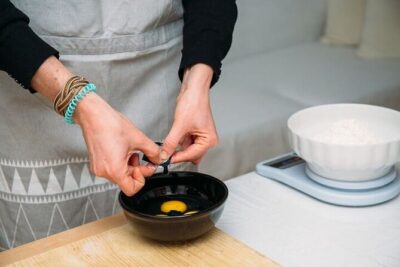
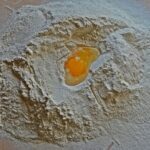
The class starts with the foundation: fresh pasta dough. You’ll learn the steps from kneading the dough to shaping it into recognizable pasta. This is where a chef’s hands-on teaching pays off, because fresh dough has a feel that’s hard to pick up from a recipe alone.
From there, the dough becomes two dishes—fettuccine and ravioli. I like this structure because it covers two common pasta skills in one go. With fettuccine, you focus on getting long, ribbon-like pasta that actually has the right chew. With ravioli, you shift to portioning and shaping, then adding filling.
One of the nicest parts is the pace of instruction. In example sessions described by past guests, chefs like Giuseppe and Danilo have been described as helpful and step-by-step with kneading and dough handling. Even if you’re a first-timer, you’re not left to guess what your dough should look like.
And if you cook at home now and then, you’ll still get value. Seeing how someone else teaches dough handling often makes your own routine better, even if you’ve made pasta before.
What you’ll realistically do (so you can plan)
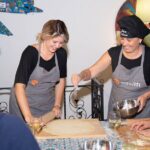
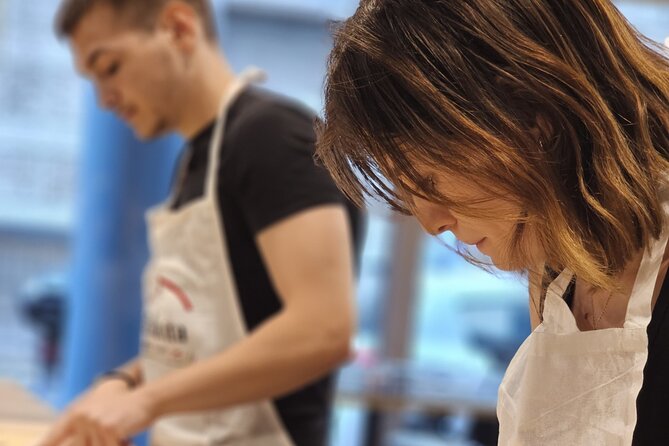
You’re hands-on throughout: making dough, transforming it into fettuccine and ravioli, and then moving on to dessert. This isn’t a sit-back class where you mostly watch; you’ll be on your feet and using your hands for most of the time.
So wear comfortable clothes. You’ll be working with flour and food, and you’ll likely want something you can handle without worrying about keeping it spotless.
Fettuccine: Rolling and Shaping Without the Mystery
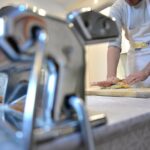
Fettuccine is a great early win in a cooking class because it’s recognizable and forgiving in the sense that you can see what you’re aiming for. You’ll start from the dough you make and then get it into a flat, ribbon-like form, the classic style Italians associate with egg-and-flour pasta.
In a lot of cooking experiences, the hard part is turning raw food into something that tastes good. Here, the hard part is turning dough texture into correct pasta texture. That’s why the chef guidance matters.
I’d also point out that fettuccine teaches you control. If your dough is too stiff, it won’t stretch well. If it’s too soft, it won’t hold shape. Learning to adjust by feel is something you can take home and use again.
Ravioli: Filling and Sealing (The Part That Feels Like Magic)
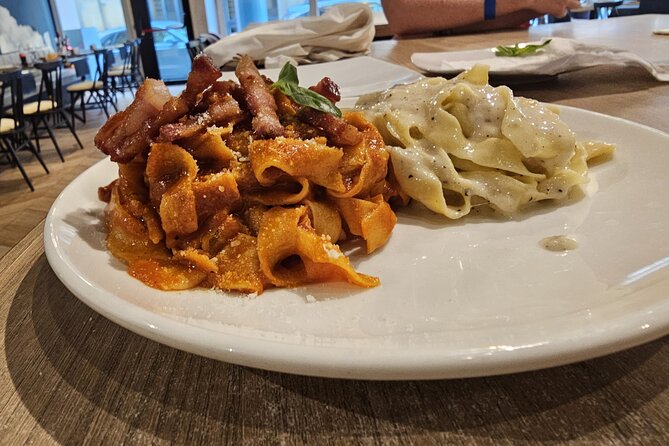
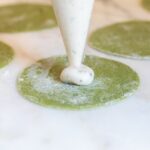
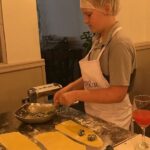
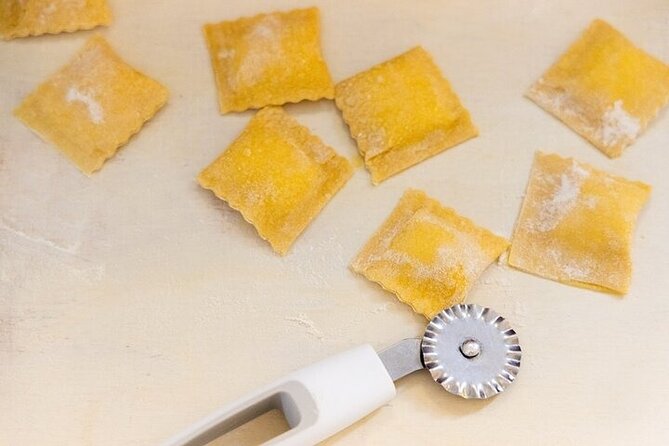
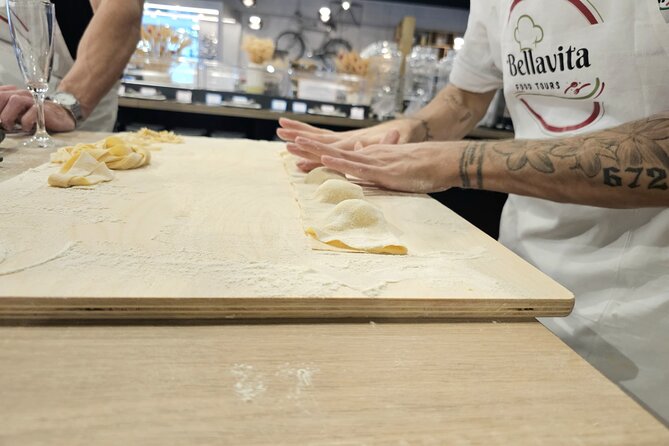
Then comes ravioli—the filled pasta. This is the step that makes most people smile, because you go from plain dough to individual pasta pockets.
You’ll shape the pasta and learn how to fill and form the ravioli as part of the class flow. This is where you see a difference between reading about pasta and making it. You’re not just assembling. You’re learning the practical moves that help the pasta stay together.
Ravioli also gives you a natural portion size. That means once you sit down to eat, you’re not stuck with one big pasta dish—you’ve got a meal made of your own handiwork.
In past sessions, chefs such as Giuseppe have been singled out for helping guests knead and stretch dough. That kind of support is exactly what you want for ravioli, because getting the dough manageable is what makes filling and shaping less stressful.
Tiramisu in Rome: Mascarpone, Espresso, and Layering Skills
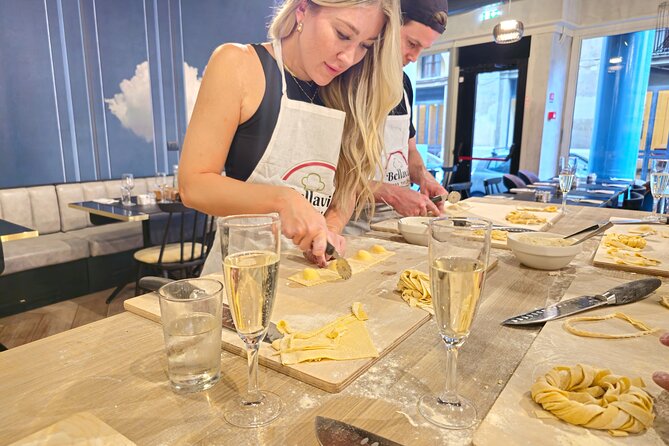
After the pasta, the class shifts gears to dessert: tiramisu. This is a classic for a reason. It’s creamy, it’s structured, and it’s satisfying to build because the layering is visible.
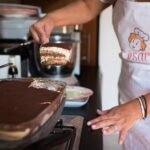
You’ll make tiramisu with mascarpone and espresso-soaked ladyfingers. From there, it’s all about assembly: layering the ingredients so the final dessert has the right look and texture.
What I love about teaching-style tiramisu is that it’s repeatable. Once you’ve done the layering yourself, you’ll understand how the dessert comes together, and that makes making it at home feel less like a gamble.
Past guests also described the tiramisu portion as something they learned step-by-step, including sessions where the chef was especially attentive and easy to follow. If you’re the type who wants a clear method rather than vague advice, this part of the class is your payoff.
Eating What You Made: The Table Moment in Rome
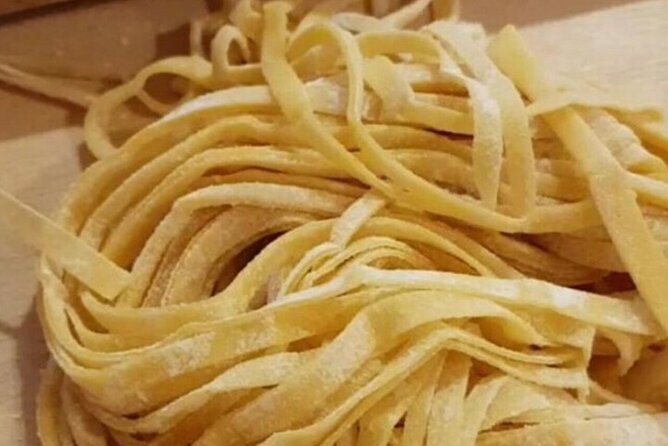
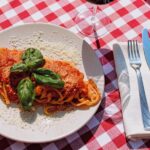
This class doesn’t end when you finish cooking. You sit down and enjoy the pasta and tiramisu you made, shared with the group in a convivial setting.
That social sit-down matters more than people expect. In Rome, you can do all the touring and still end up eating dinner in a hurry. This gives you a slower, more human moment that feels tied to the place.
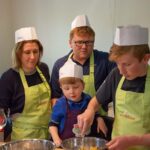
Also, the “make it, then eat it” format is great for families and groups. Kids and teens have done well in classes like this, especially because everyone gets a task. If you’re traveling with a child, hands-on cooking can be a nice break from constant walking and sightseeing.
For food lovers, this is also where you learn. Tasting your own ravioli and fettuccine helps you connect the texture you worked for with the flavor you expected.
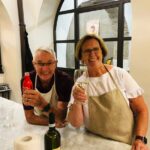
And yes, there’s often a drink element with the meal. Some participants noted a welcome drink and even a glass of wine with the experience. The core included items are the meal you make, but if alcohol is part of your travel plan, it’s worth keeping that in mind.
Price and Value: Is $71.38 a Good Deal in Rome?
At $71.38 per person, this isn’t the cheapest thing in Rome—but it’s also not overpriced for what you’re getting.
You pay for:
- A professional chef instructor
- All ingredients and equipment
- Hands-on instruction while you make multiple dishes
- Apron and utensils
- The meal of the pasta and tiramisu you produced
That’s a lot of “included” value, especially in a city where food experiences can be either expensive or light on actual instruction.
The main thing to subtract is that transportation isn’t included. If you’re far from public transit, you’ll need to factor in a taxi or extra walk. Still, since the meeting point is near public transportation, most people can handle it without extra cost.
My rule of thumb: if you want authentic food culture, the best value comes from doing the work, not just watching it. This class fits that idea well.
Who This Cooking Class Is Best For (and Who Might Skip It)
This is a strong pick if you want a practical Rome experience. You’ll come away with technique for fresh pasta dough, filled pasta shaping, and tiramisu assembly—not just a plated meal.
It’s also a great match if you like small groups. With a maximum of 14, you’re more likely to get personal attention and recover quickly if you make a mistake with dough or shaping.
Families can like this too. Past experiences have mentioned teenagers enjoying it, and families appreciating it as a break from nonstop walking. If your kids are comfortable getting flour on their hands, you’ll probably have a better time than trying to keep them quiet for hours.
You might think twice if you want a totally relaxed evening. Because it’s about 3 hours of hands-on cooking, you won’t have long downtime for wandering or slow chatting. Plan a slower meal later, or a calmer day before.
Tips for Your First-Time Pasta Maker in Rome
A cooking class goes better when you prepare for the vibe: you’re working, you’re learning, and you’re tasting as you go.
Here are a few practical things I’d do before you go:
- Keep your schedule open enough to arrive on time. The class runs as a group rhythm.
- Dress comfortably for kneading and shaping. Flour is part of the deal.
- Come hungry. You’re making food and eating it, and the meal is part of the experience value.
- If language is a concern, don’t assume you’ll be stuck. Chefs like Giuseppe and Danilo have been described as patient and able to teach across different comfort levels.
You’ll still enjoy it even if you’re not a home cook. The whole point is to leave with skills you can recreate later.
Should You Book This Rome Fettuccine, Ravioli, and Tiramisu Class?
Yes, you should book it if you want a hands-on Rome experience that ends with a real meal. The small group size, the chef-led instruction, and the fact that you make fettuccine, ravioli, and tiramisu all in one visit make it feel like more than just a dinner event.
I’d skip it only if you prefer passive sightseeing, or if you’re seeking a long, slow sit-down with minimal hands-on work. Otherwise, for couples, families, and anyone who loves the idea of cooking at home again after the trip, this is a smart use of your time in Rome.
If you can, check your timing so you’re not rushing from major monuments straight into cooking. Give yourself breathing room, show up ready, and you’ll leave with both food memories and actual technique.
FAQ
Where is the meeting point?
The meeting point is Via Firenze, 8, 00184 Roma RM, Italy.
How long is the cooking class?
The class lasts about 3 hours.
What’s the group size?
The class has a maximum of 14 travelers.
What dishes will I make?
You’ll make fresh pasta dough and then turn it into fettuccine and ravioli, plus you’ll make tiramisu for dessert.
Is this a hands-on cooking experience?
Yes. It includes a hands-on cooking experience where you prepare the dishes with guidance from the chef.
What’s included in the price?
Included are the professional chef instructor, all ingredients and equipment, an apron and utensils, and the meal (the pasta and tiramisu you make).
What is not included?
Not included are transportation and any personal expenses (like extra food or beverages), plus any additional meals or drinks beyond what’s in the activity.
How do I get access—do I get a ticket?
You’ll receive a mobile ticket.
Is free cancellation available?
Yes. You can cancel for a full refund up to 24 hours before the experience’s start time.