REVIEW · TUSCANY
Corso di Pasta Fresca
Book on Viator →Operated by Agriturismo Biologico Diacceroni · Bookable on Viator
Fresh pasta in Tuscan hills feels like magic. In this Corso di Pasta Fresca near Volterra, you don’t just watch—you make pasta in an agriturismo setting with big countryside views and a real Tuscan-meal vibe.
Two things I really like: the class is genuinely hands-on, and you’re guided through multiple traditional shapes instead of one quick trick.
One possible drawback: the experience can feel a bit fast-paced, especially when the pasta is served and the meal moves through courses quickly. Also, if your booking info is fuzzy, double-check what pasta shapes are included for your exact session.
On the plus side, you’ll leave with more than recipes. You’ll sit down to your work with Diacceroni wine, and you also get a souvenir hat and apron, which makes it feel like a full-on memory, not just a meal.
In This Review
- Key highlights you’ll care about before you go
- Corso di Pasta Fresca near Volterra: what you’ll make and why it matters
- A real Tuscan family-lunch atmosphere, not a demo-and-leave event
- The 3-hour flow: from workstation to sauces and wine
- Chef-led teaching in Italian and English: how to get the most out of it
- What’s included with your meal: sauces, Diacceroni wine, and the big payoff
- Price and value: is $126.50 worth it?
- Getting there in Volterra: meeting point and smart navigation tips
- Allergies, food preferences, and how to keep the day smooth
- One caution on dish choices: confirm what you’re scheduled for
- Should you book Corso di Pasta Fresca in Tuscany?
- FAQ
- What’s the duration of the Corso di Pasta Fresca?
- Where does the class start?
- Is the class offered in English?
- How many people are in the group?
- What pasta dishes will I learn to make?
- What happens after the pasta is made?
- Is lunch or dinner included?
- What take-home items come with the class?
- Do I need to tell them about allergies?
- Can I get a refund if my plans change?
Key highlights you’ll care about before you go
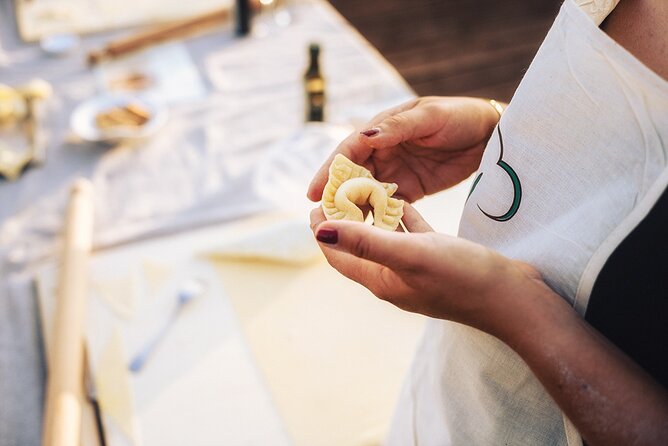
- Make three traditional pasta shapes: one stuffed pasta plus two types of egg pasta
- Small group size (max 15) for a more personal cooking experience
- Chef instruction in both Italian and English, with stories and curiosities about Tuscan cuisine
- Your pasta gets cooked for you and served with traditional sauces, paired with Diacceroni wine
- You take home an apron and a hat, so the day sticks with you
Corso di Pasta Fresca near Volterra: what you’ll make and why it matters
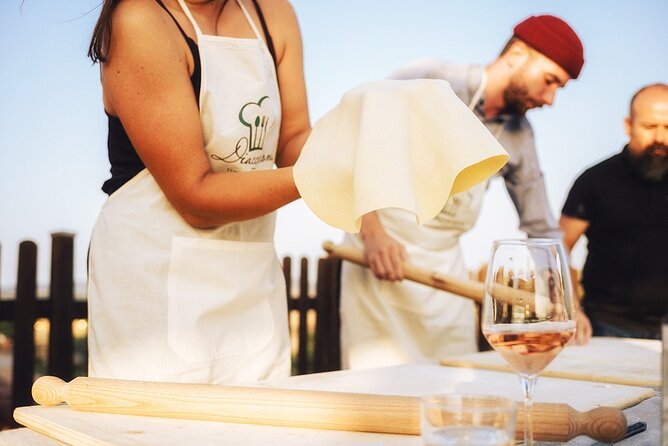
This is a fresh pasta class built around learning shapes, not just kneading dough. The course teaches you how to prepare three traditional pasta shapes: one stuffed pasta and two types of egg pasta. That mix is smart because it gives you variety in technique. Egg pasta behaves a little differently than other doughs, and the stuffed shape forces you to think about sealing and portioning.
In practical terms, you’ll spend time learning the steps that actually separate average pasta from great pasta. That includes working the dough to the right texture, shaping it without tearing, and handling the stuffed version with care so it cooks properly.
And because your pasta is cooked and served right after class, you get an immediate feedback loop. You’re not taking home raw dough and hoping it turns out later. You see how your shapes hold up with heat and sauce, which is what you really want if you’re going to cook at home.
You can also read our reviews of more tours and experiences in Tuscany.
A real Tuscan family-lunch atmosphere, not a demo-and-leave event
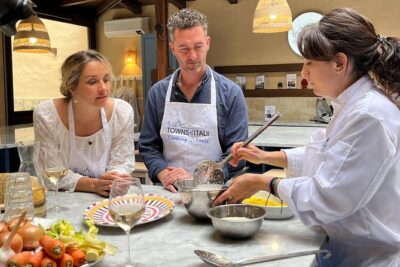
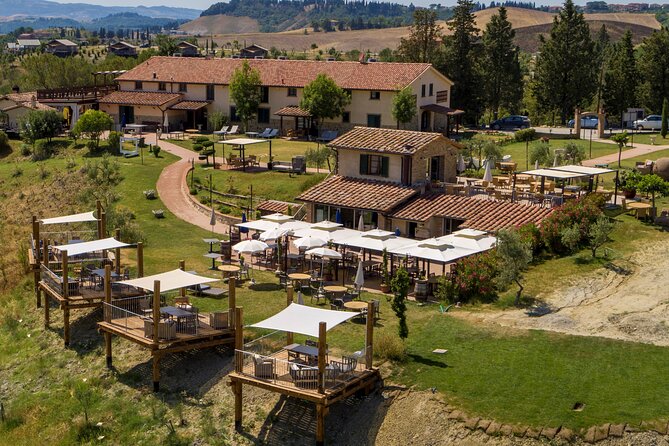
The setting is part of the value here. You arrive to a workstation where you’ll find your apron and the ingredients set up for you. Then you settle into a cheerful, festive style of service that mirrors the rhythm of a typical Tuscan family lunch—complete with the feeling that food knowledge is passed down from older generations.
The vibe matters because pasta-making can get a little intense if the group is rushed or the teaching style is unclear. This course is built to keep things friendly, with chefs sharing anecdotes and curiosities about traditional Tuscan food as you work.
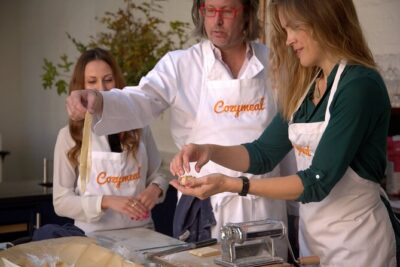
I also like that the teaching happens with interaction in mind. You’re encouraged to participate in the preparation, and the chef team talks through the why behind the steps, not just what to do.
If you’re the type who enjoys chatting while cooking, this is a good match. If you only want quiet, solitary cooking, it may feel a little social—but in a good, human way.
The 3-hour flow: from workstation to sauces and wine
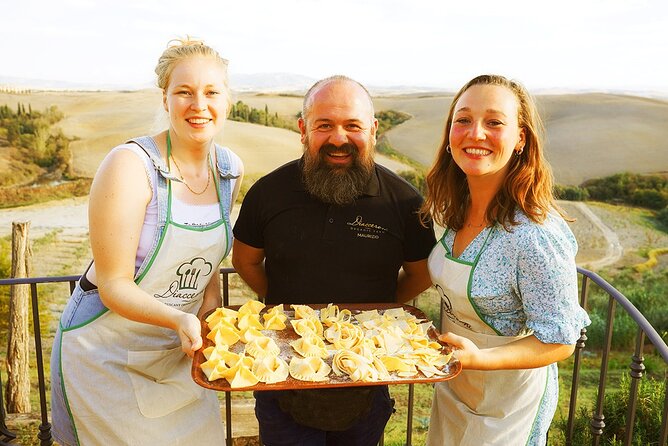
Plan on about 3 hours for the whole experience. The order of events is straightforward, and it’s designed so you aren’t waiting around forever.
Here’s the typical progression:
- Arrival and setup: you’re welcomed and directed to your station with apron and ingredients.
- Hands-on pasta making: you learn to prepare the three included shapes: a stuffed pasta and two egg pasta types.
- Cooking and serving: after you make them, the pasta you prepared gets cooked and served with traditional sauces.
- Lunch or dinner: you’ll eat what you made, along with Diacceroni wine.
One thing to keep in mind is pacing. Some people love a brisk, efficient schedule; others prefer slower, more relaxed instruction. In at least one case, the gap between courses felt short, and the meal flow moved quickly once the pasta was served. That doesn’t mean it’s chaotic—it just means you should mentally prep for a lively run-through rather than a long, leisurely dining stretch.
If you want extra clarity, ask for it early. One practical suggestion from the teaching style people appreciated elsewhere: it helps when the instructor explains the process as you go, not only shows a method first and expects you to remember it instantly.
Chef-led teaching in Italian and English: how to get the most out of it
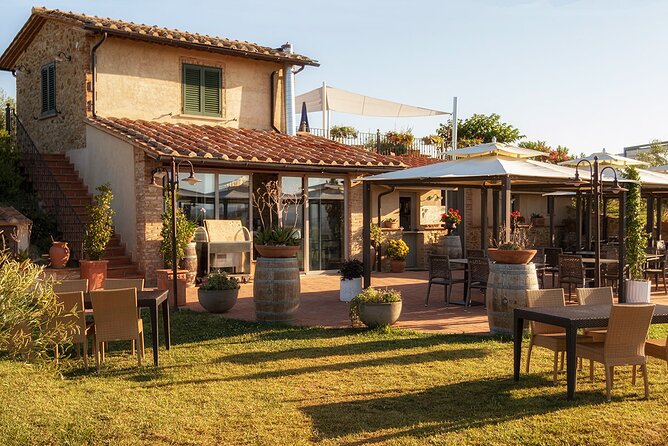
The class runs in both Italian and English, so you should feel comfortable even if your Italian is limited. That bilingual format is a real advantage in Italy, where cooking classes sometimes lean entirely Italian with a few translated gestures.
You’ll also get chef storytelling. The chefs share anecdotes and curiosities about Tuscan cuisine as you work, which makes the food feel connected to the place instead of just being a technique lesson.
In terms of who might teach you, the instructor team can include chefs such as Naima, Lucia, Rosa, Ilenia, Mauricio, and Ariel. The common thread in the teaching feedback is patience—people felt guided through the steps and given practical tricks for shaping and handling the dough.
How to maximize your learning:
- If you’re unsure about a step (especially the stuffed pasta), ask immediately rather than waiting.
- Pay attention to dough texture cues. Pasta dough usually tells you when it’s right.
- If you prefer doing it together, say so. You can ask the instructor to demonstrate the step, then coach you through it as you repeat.
And don’t skip the social part. Cooking with the group is part of why the day feels fun, not just educational.
What’s included with your meal: sauces, Diacceroni wine, and the big payoff
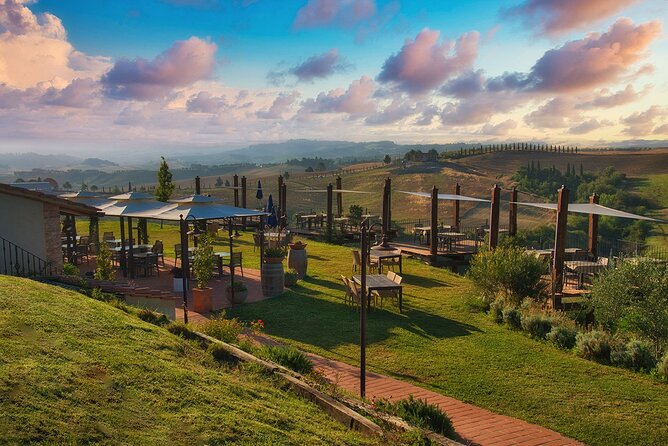
The best part of pasta classes is the part after class: when your hands meet the plate. Here, you get that full payoff.
Your pasta is:
- Cooked after you finish shaping
- Served with traditional sauces
- Eaten as lunch or dinner
- Paired with Diacceroni wine
This is key for value. You’re paying for the instruction, the ingredients, and a proper sit-down meal. A typical restaurant meal doesn’t teach you shaping techniques. A typical cooking class without the meal can leave you hungry or underwhelmed. This one tries to do both: learn and then taste your result while the day is still fresh.
Also, the setting supports lingering. Even if the course moves quickly, the agriturismo atmosphere makes it easy to relax with a drink after you finish eating. If you’re the type who wants to stay social a bit longer, you’ll probably enjoy the flow.
Price and value: is $126.50 worth it?
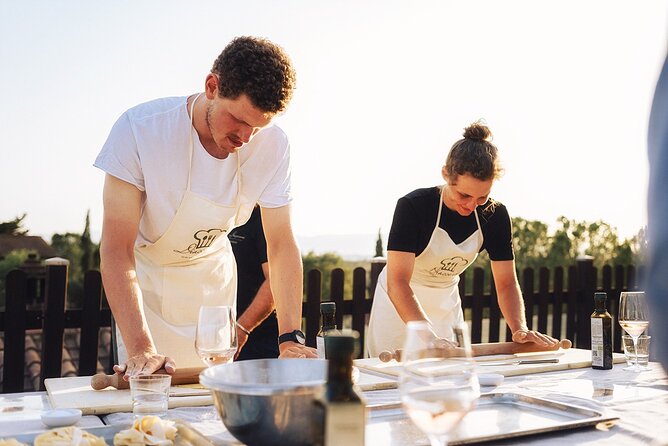
At $126.50 per person, this isn’t a budget activity—but it’s also not just paying for a 3-hour demo. You’re getting:
- A hands-on cooking class with chef instruction
- Ingredients and tools set up for your station
- Learning three pasta shapes
- A meal where your pasta is served with sauces
- Diacceroni wine with lunch or dinner
- A souvenir hat and apron
To decide if it’s worth it for you, ask: do you want to come home with actual cooking knowledge, or do you mainly want a tasty meal? If you want the knowledge, the price starts to make sense fast, because you’re learning technique you can repeat later.
It also helps that the group size is capped at 15 travelers. Smaller groups usually mean more attention, fewer bottlenecks, and less standing around. That can matter a lot in a hands-on class where you need room to work.
Getting there in Volterra: meeting point and smart navigation tips
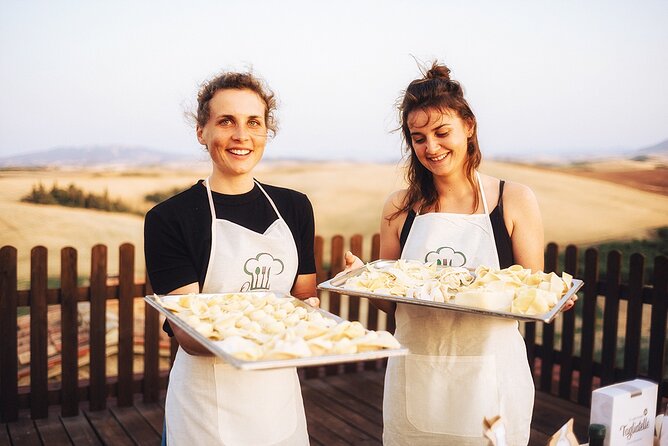
You’ll meet at Via della Bonifica, 156, 56048 Volterra PI, Italy. The activity ends back at the same meeting point.
Here’s the practical tip I’d follow: use GPS coordinates instead of relying on the street address alone. The area can be easy to mis-map if your app is working with incomplete data. If you’re driving, give yourself a little extra time so you arrive calm and ready to cook.
Also, remember this is in the Tuscan countryside area around Volterra. If your day already includes other towns, don’t stack too much driving. You’ll enjoy the class more if you’re not rushing through the morning.
Finally, since confirmation is provided within 48 hours (when booking is subject to availability), keep an eye on your inbox close to your travel plans. If you’re planning tightly, that short window can help you adjust if dates shift.
Allergies, food preferences, and how to keep the day smooth
When you book, you should inform the provider of any food allergies or intolerances. That’s not a small detail here. Fresh pasta includes flour and eggs, and the meal includes sauces and wine pairing, so it’s best to make your needs clear up front.
If you’ve got dietary restrictions, don’t wait until the day of the class to mention them. Sending details during reservation is the best way to protect both your experience and the kitchen’s workflow.
One caution on dish choices: confirm what you’re scheduled for
The course is described as teaching three traditional pasta shapes, and that’s what you should expect. Still, one booking experience involved confusion about what dishes were actually included, and it took follow-up to get the promised pasta included.
So here’s my advice that takes 2 minutes and prevents disappointment:
- When you receive your confirmation, double-check the pasta shapes listed for your session.
- If your email details are unclear, message ahead and ask what the three pasta types are for that date.
Most people won’t run into this. But you’d rather confirm than gamble.
Should you book Corso di Pasta Fresca in Tuscany?
Book it if you want a hands-on Tuscan cooking day with a real meal at the end. It’s especially good for:
- food lovers who like learning techniques, not just eating
- couples and small groups who want a shared activity with a chef
- anyone visiting the Volterra area who wants something more local than a standard tour
Skip or reconsider if:
- you need a very slow, unhurried class and long sit-down pace
- you’re easily frustrated by schedules that move quickly once the meal starts
- you’re booking without checking what pasta shapes are included in your specific session
FAQ
What’s the duration of the Corso di Pasta Fresca?
The class is listed at about 3 hours.
Where does the class start?
The meeting point is Via della Bonifica, 156, 56048 Volterra PI, Italy.
Is the class offered in English?
Yes. The experience is offered in English, and the course is conducted in both Italian and English.
How many people are in the group?
The class has a maximum of 15 travelers.
What pasta dishes will I learn to make?
You’ll learn to prepare three traditional pasta shapes: one stuffed pasta and two types of egg pasta.
What happens after the pasta is made?
After shaping, your pasta will be cooked and served with traditional sauces.
Is lunch or dinner included?
Yes. Lunch or dinner is served, along with Diacceroni wine.
What take-home items come with the class?
You’ll receive a souvenir hat and apron to take home.
Do I need to tell them about allergies?
Yes. You should inform them of food allergies or intolerances when making your reservation.
Can I get a refund if my plans change?
You can cancel for a full refund if you cancel up to 24 hours before the experience’s start time.