REVIEW · TRIESTE
Small group Pasta and Tiramisu class with Mamma in Trieste
Book on Viator →Operated by Cesarine: Cooking Class · Bookable on Viator
Trieste pasta lessons feel like a family dinner. In this class, you get hands-on cooking time in a real local home, starting with Prosecco and snacks and ending with an informal tasting. It is the kind of experience that makes Italy feel close-up, not staged.
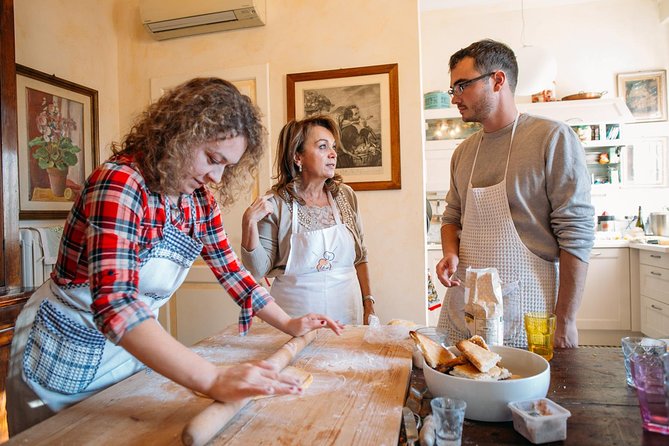
I love learning rolling and shaping skills as you make two types of fresh pasta from scratch. You also assemble tiramisù in the same kitchen, then sit down to taste what you made as a group. With a maximum of 12 travelers, you can actually get questions answered and technique corrected.
One possible drawback: the home setup can vary. On some nights, you may work at a shared pasta station and do more hands-on when the host turns the lesson over to you, so go in with flexible expectations.
In This Review
- Quick hits before you go
- Why this Trieste home kitchen class beats a big-school lesson
- The 3-hour flow: Prosecco start, pasta work, tiramisù finish
- Two fresh pasta shapes: what you practice and what you take home
- A realistic note about work stations
- Tiramisu in a real kitchen: assembly skills you can repeat
- The meal and tasting: why the end matters as much as the cooking
- Small-group attention in a Trieste home: comfort and cultural clues
- Price and value: $161.77 for pasta skills plus a real meal
- Who should book this class (and who might want a different option)
- Should you book the Small group Pasta and Tiramisu class with Mamma in Trieste?
- FAQ
- How long is the Pasta and Tiramisu class in Trieste?
- Is the class offered in English?
- What will I learn to make?
- How big is the group?
- Where does it start and end?
- Can I cancel for a full refund?
Quick hits before you go
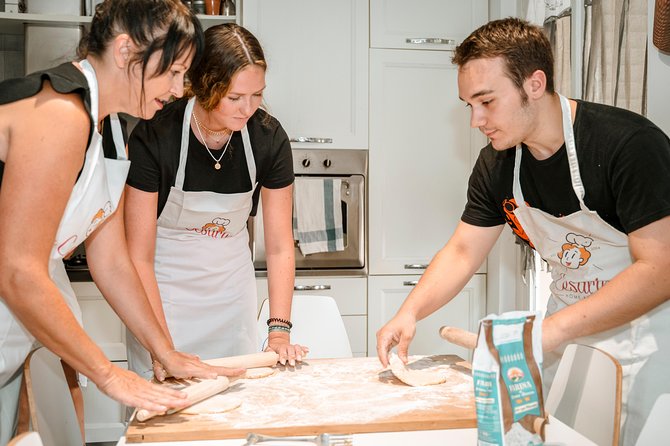
- A small-group home setting (max 12) with more personal attention than a big studio class
- Prosecco and snacks at the start, plus a relaxed tasting at the end
- Two fresh pasta types taught through active participation, not just watching
- Tiramisu assembly tied to real timing needs (it needs a chill period)
- Sanitary supplies provided in the home, plus distance guidance during your visit
Why this Trieste home kitchen class beats a big-school lesson
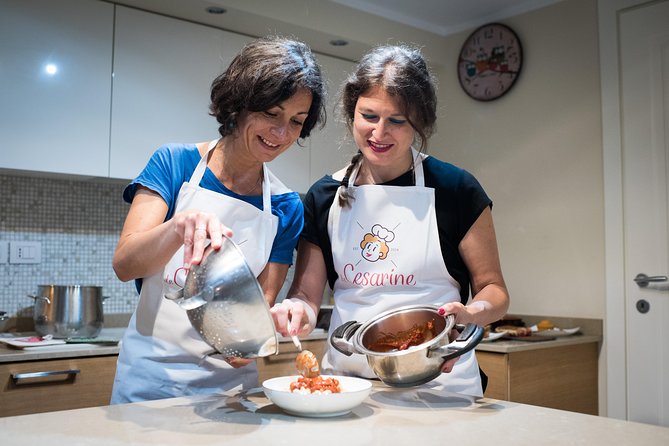
Trieste is built for slow meals: coffee that turns into conversation, markets that feel neighborly, and kitchens where cooking is part skill and part personality. This class gives you that everyday Italy feeling, because you cook where people actually live.
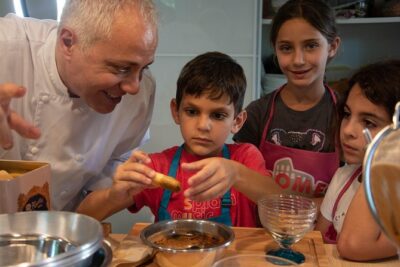
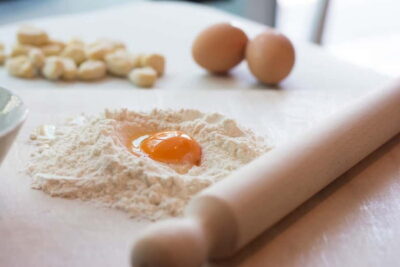
The big win here is the format. You are not just learning recipes on paper. You are rolling dough, shaping pasta, and assembling tiramisù in a real working kitchen. That matters because pasta-making is tactile. Flour dust, dough feel, thickness, and how you handle the dough all teach themselves once you’re doing it.
Also, you’ll see how hosts think about food flow. Some parts are quick, others need waiting time, and hosts balance both so you’re never standing around for long without purpose. In one session style, the host explained and demonstrated steps, then rotated you into the hands-on work. In other sessions, you got more step-by-step control. Either way, the goal is learning, not speed.
You can also read our reviews of more tours and experiences in Trieste.
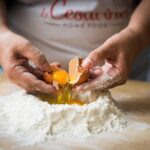
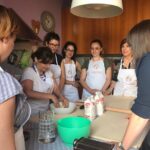
The 3-hour flow: Prosecco start, pasta work, tiramisù finish
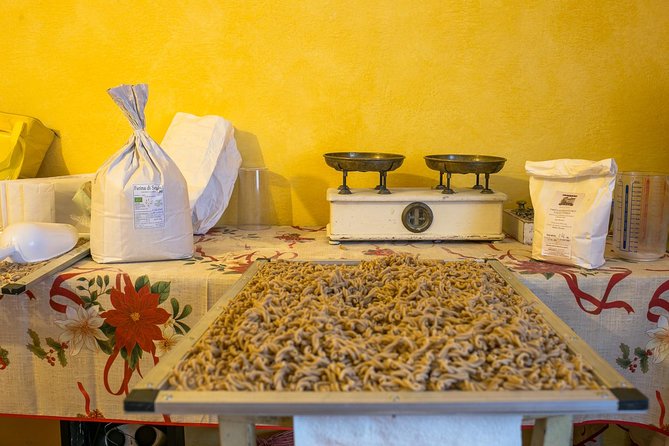
Plan for about 3 hours in total. The lesson starts and ends back at the meeting point in Trieste, and the activity is designed around a smooth arc: drink, cook, wait a little, then eat.
Start: welcome moment with Prosecco and snacks
You begin with Prosecco and snacks. This is not a formal tasting. It’s a low-pressure opener that helps you settle in and get your bearings before flour starts flying.
Middle: fresh pasta training and hands-on work
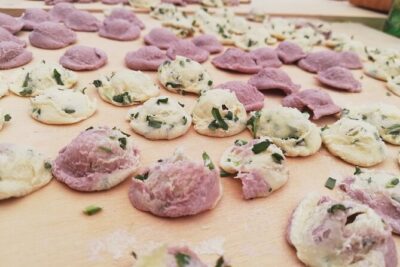
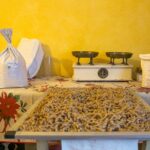
This is where the class earns its keep. You’ll learn how to roll and shape two types of fresh pasta. The exact shapes can vary by class and host setup, but the skill focus stays consistent: dough handling, proper thickness, and shaping that holds up when cooked.
Dessert timing: assemble tiramisù
You assemble tiramisù during the session. Then you let it chill. That chill period is not “downtime.” It’s part of how tiramisù is made in real life, and it gives your group a chance to reset before tasting.
End: informal tasting
At the end, you eat what you made. This is a shared, relaxed meal rather than a rushed sprint. You’ll typically taste both the pasta and dessert you worked on, so the learning sticks because your brain gets to connect technique with flavor.
Two fresh pasta shapes: what you practice and what you take home
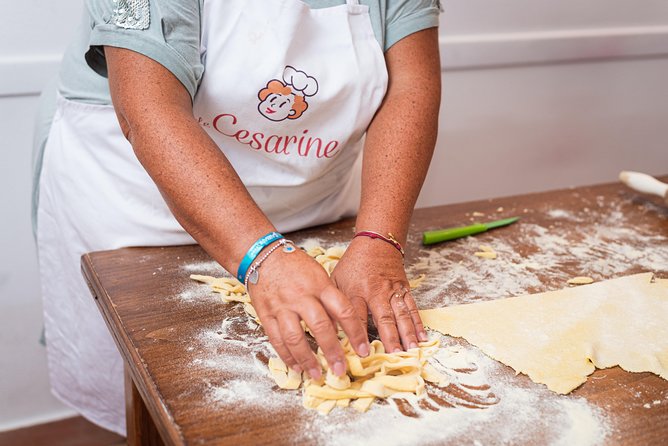
Most cooking classes teach recipes. This one targets technique. And pasta technique is where beginners often get stuck: dough feels too sticky, sheets tear, or the shape falls apart after cooking. In this format, you get repeated chances to practice and adjust.
Here’s what you’re really learning while you roll, shape, and form:
- How dough should feel as you work it (not too wet, not too dry)
- How thin to roll without breaking the sheet
- How to shape so it cooks well and doesn’t turn into a sad noodle blob
The class is also designed around active participation for a small group (up to 12). That’s a key value point. With a larger class, you’d watch more than you do. With this size, hosts can spot issues fast. If your dough is sticking, you can get quick help before it becomes a long fix.
Language is another practical piece. The class is offered in English, but some hosts may have limited English. In practice, hosts can still guide you clearly, and translation tools can help if you need them. You should feel like you can communicate even if your Italian is rusty.
A realistic note about work stations
A possible consideration: not every home kitchen is set up like a cooking school studio. One experience included shared work space where the host demonstrated most steps and then guided you through tasks like kneading, filling, cutting, and rolling in turns. That still teaches you, but it changes how “equal” participation feels. If you want maximum individual bench time, arrive open-minded about rotation and group pacing.
Tiramisu in a real kitchen: assembly skills you can repeat
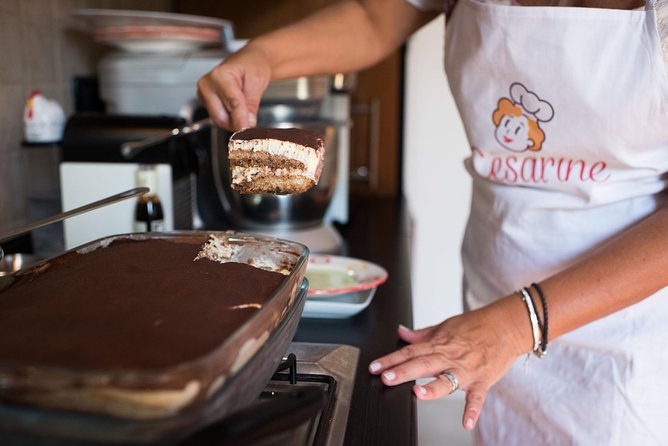
Tiramisu sounds straightforward until you try it. Then you realize it’s part baking-free assembly, part timing, part restraint. You cannot just dump ingredients and hope.
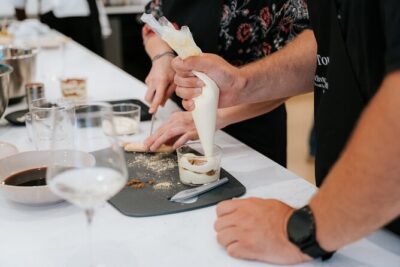
In this class, you’ll assemble tiramisù as part of the experience. The most useful thing you get is the method and the logic behind it: how to layer, how to treat the components so they blend correctly, and how to keep the dessert texture on track.
Two practical takeaways you should expect:
- You’ll learn the assembly workflow, not just a list of ingredients
- You’ll understand the chill step as part of the recipe, not an optional extra
Also, the “waiting” period is built in. In at least one style of hosting, the class shifted to other pasta work while the tiramisù handled its fridge time. That keeps the lesson moving and helps you experience the dessert as something that needs patience.
The meal and tasting: why the end matters as much as the cooking
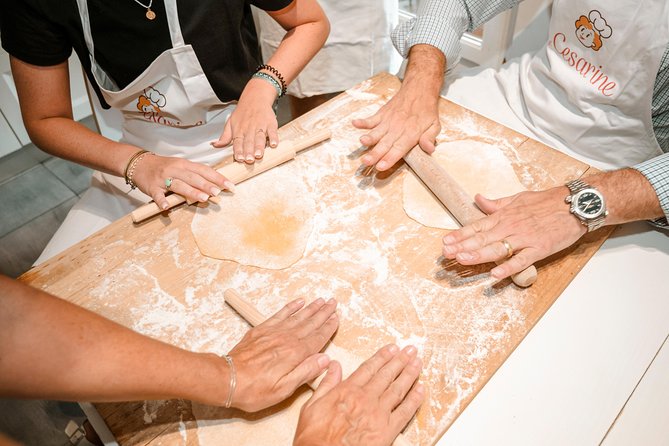
Plenty of classes end once the food is made. This one ends with an informal tasting, which is different. You get the feedback loop: you cook, then you taste, then you connect flavor with the technique you just practiced.
During the meal, you’ll likely see the class atmosphere stay relaxed. The experience is described as welcoming, “like part of the family,” and you eat what you prepared. Reviews also suggest hosts commonly include regional wine, and some sessions include a limoncello finish. You should treat alcohol as an inclusion that depends on the specific host and what’s planned for your date, but alcohol-forward Italian hospitality is clearly part of the culture in these sessions.
This part is also where you can ask smart questions. If your pasta came out chewy or soft, you can ask what you might adjust next time. If your tiramisù tastes too strong or too mild, you can learn how the host balances it. That’s how you move from cooking class souvenir to something you can repeat at home.
Small-group attention in a Trieste home: comfort and cultural clues
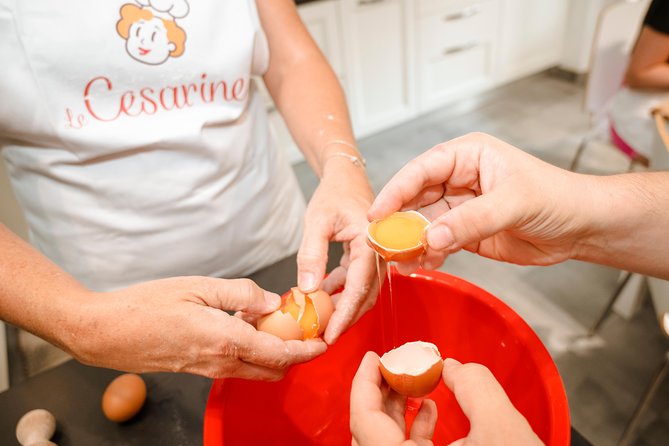
You’re capped at 12 travelers, and that size affects everything. It means:
- You spend more time near the action.
- Hosts can check your technique without racing around.
- The meal feels like a shared moment rather than a food line.
Trieste homes also tend to reflect the city itself. You might notice the mix of old and modern details in the space, because people decorate like they live. One experience described a home with antique art alongside modern furnishings, plus a kitchen that felt spotless and prepared for visitors. That’s not a guarantee for every home, but it’s a good indicator that your hosts take care.
Comfort matters too. Pasta classes can run hot, especially when multiple people are kneading and rolling. In at least one example, the home had air conditioning and kept things comfortable during hot weather. Still, bring basic common sense: wear breathable clothes, expect a bit of flour on your cuffs, and plan to wipe your hands often.
Price and value: $161.77 for pasta skills plus a real meal
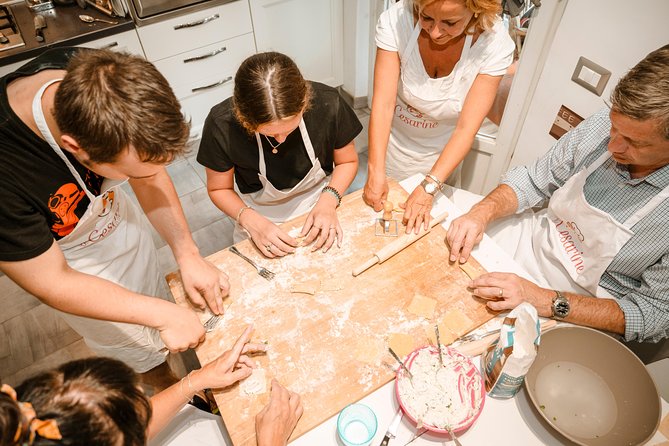
At $161.77 per person for about 3 hours, the price can feel like a splurge if you’re comparing it to a restaurant dinner. But compare it to what you’re actually buying.
You’re paying for:
- A home chef experience (a Cesarine host) rather than a public cooking studio
- Instruction in multiple techniques (two fresh pasta types plus tiramisù assembly)
- Food and drink as part of the event, starting with Prosecco and including an end tasting
If you walked into a restaurant, you’d leave with a full stomach and maybe a recipe idea. Here, you leave with practiced muscle memory. That’s real value.
It also helps that the group is small. You’re not competing with 30 people for attention. In a cooking class, that attention can be the difference between making something you can repeat at home and making something you’ll never trust again.
And one more practical point: booking tends to be spread out, with many people reserving around a month ahead on average. That suggests this is a popular style of experience in Trieste, especially for food-minded visitors. If you have fixed dates, you’ll likely want to lock it in sooner.
Who should book this class (and who might want a different option)
This is a great fit if you:
- Want hands-on skills you can repeat at home
- Like learning from a home cook rather than a scripted restaurant demo
- Enjoy meeting locals in an unpretentious setting
- Are traveling in a couple or small group and want a shared activity
It may be less ideal if you:
- Need a highly polished, studio-style classroom with guaranteed individual workstations
- Prefer a fully structured timeline where every step is identical for each participant
- Want a class that is heavy on English-only instruction without any translation support
If you’re okay with flexible hosting styles, you’ll likely have the best time.
Should you book the Small group Pasta and Tiramisu class with Mamma in Trieste?
If your trip has room for one experience that feels like Italy lived-in, I’d book it. The core reason is simple: you leave with more than photos. You leave with technique, plus a shared meal in the same place where you cooked.
Go for it if you want to learn fresh pasta shaping and tiramisù assembly in a small group, start with Prosecco, and end with an informal tasting. Bring a little patience for the way home kitchens operate, and you’ll probably find the whole thing oddly calming for a “tour.” Flour dust is worth it.
If your schedule is tight, aim to arrive early and double-check the exact meeting details. The experience itself is strong; the only weak spot tends to be finding the right door quickly in a real neighborhood.
FAQ
How long is the Pasta and Tiramisu class in Trieste?
The class runs for about 3 hours.
Is the class offered in English?
Yes, it is offered in English.
What will I learn to make?
You will learn to roll and shape two types of fresh pasta and assemble tiramisù.
How big is the group?
The experience has a maximum of 12 travelers.
Where does it start and end?
It starts in Trieste, Province of Trieste, Italy, and ends back at the meeting point.
Can I cancel for a full refund?
Yes. It offers free cancellation, and you can cancel up to 24 hours in advance of the experience start time for a full refund.