REVIEW · ROME
Fettuccine, Ravioli, and Tiramisu Cooking Class in Rome
Book on Viator →Operated by DreamTourz · Bookable on Viator
Fresh pasta in Rome beats another walking tour. In about three hours, you’ll learn fettuccine and ravioli basics and cap it with tiramisu, plus a coffee or limoncello at the end. It’s a fun break when your calendar is packed with monuments and you want something hands-on.
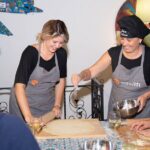
I especially like the small-group setup (max 15), because the chef can actually watch your dough and help you correct mistakes fast. I also like that you do the work—knead, roll, and cut pasta dough—rather than just watching someone else do it. The class ends where it began, so it’s easy to slot into your day without stress.
One thing to consider: you won’t necessarily leave with a dozen sauces you made yourself. Some sauce elements are already prepared, so the real focus stays on dough skills and the tiramisu process.
In This Review
- Key Things That Make This Rome Cooking Class Worth Your Time
- Where You’ll Start Near the Pantheon Area
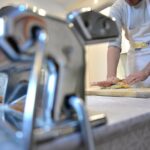
- Knead, Roll, Cut: The Hands-On Pasta Part
- Fettuccine all’uovo (What you learn)
- Ravioli (What you learn)
- What helps you succeed
- The “Sauce” Reality Check (And How It Still Makes Sense)
- Tiramisu: Demo Style, Then You Get the Best Part
- Drinks, Photos, and the Small-Group Feel
- Price and Value: Is $90.02 a Good Deal?
- Who This Cooking Class Fits Best (And Who Should Skip It)
- How to Plan It in Your Rome Day
- Should You Book This Fettuccine, Ravioli, and Tiramisu Class?
- FAQ
- How long is the cooking class in Rome?
- What’s included in the price?
- Where does the class meet?
- Is the class offered in English?
- How big are the groups?
- Can I cancel for a refund?
Key Things That Make This Rome Cooking Class Worth Your Time
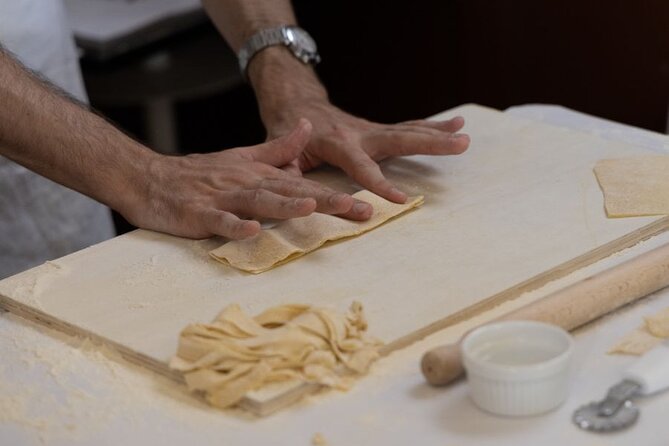
- Hands-on pasta skills: you’ll knead, roll, and cut dough like the pros
- Two mains in one session: homemade fettuccine all’uovo and ravioli with ricotta and spinach
- Tiramisu with tasting: dessert is taught and you get to enjoy what you make
- Small group feel: capped at 15 so it stays lively and personal
- Extra touches: recipe PDF afterward and photos taken for your group
- Drinks included: wine or a soft drink during the lesson, plus coffee or limoncello after
Where You’ll Start Near the Pantheon Area
You meet at iQ Hotel Roma, Via Firenze 8, 00184 Roma. It’s a practical starting point for getting oriented before class, and it’s also close to public transportation.
From there, you head to the teaching space, which has been described as being very near Piazza Navona and the Pantheon area. That matters because you can plan this as both a food experience and a convenient break from nonstop sightseeing.
If you’re pairing this with sights, aim for it after you’ve done your biggest walking day. Fresh pasta classes are fun, but they’re also a workout for your forearms—so don’t schedule this right before a long, steep-day marathon.
You can also read our reviews of more tours and experiences in Rome.
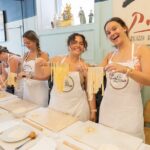
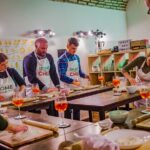
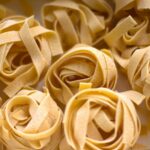
Knead, Roll, Cut: The Hands-On Pasta Part
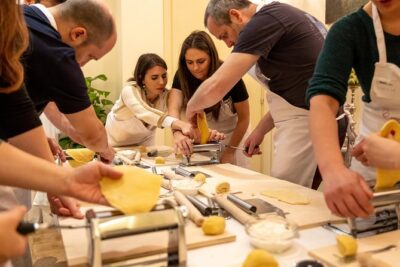
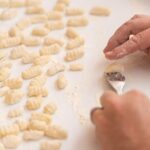
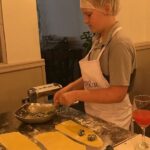
This is the core of the experience: you’ll learn how to turn dough into the shapes Italians actually serve at home. The class covers egg fettuccine and ravioli, with you doing the physical steps rather than just assembling on a plate.
Fettuccine all’uovo (What you learn)
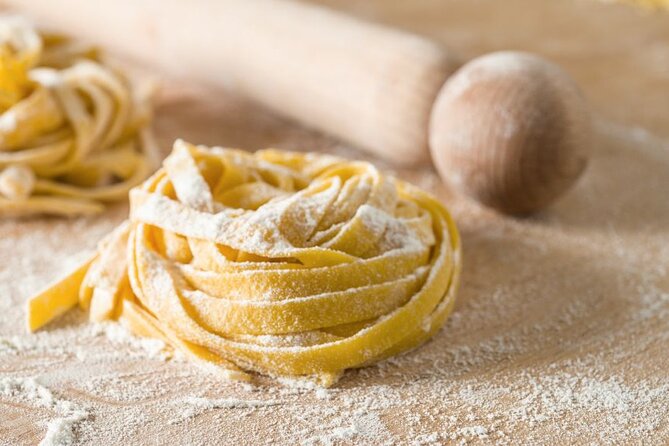
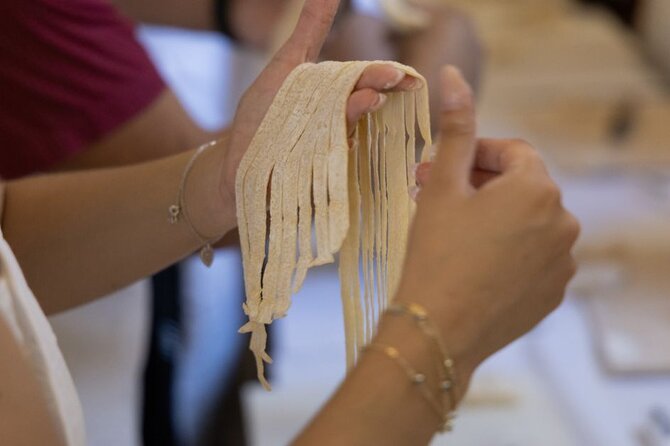
You’ll work with homemade egg fettuccine dough, then shape it into long, ribbon-like pasta. The big skill isn’t just the final cut—it’s getting the dough to the right feel before it ever hits the cutter. When the dough is right, everything afterward is easier: rolling becomes smoother and thickness stays consistent.
And yes, you’ll eat what you make. That sounds obvious, but a lot of tours end with you taking photos and leaving hungry. Here, you’re actually part of the meal.
Ravioli (What you learn)
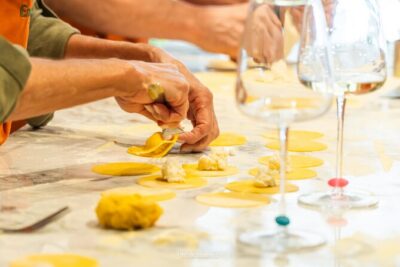
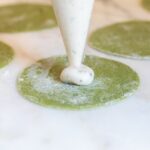
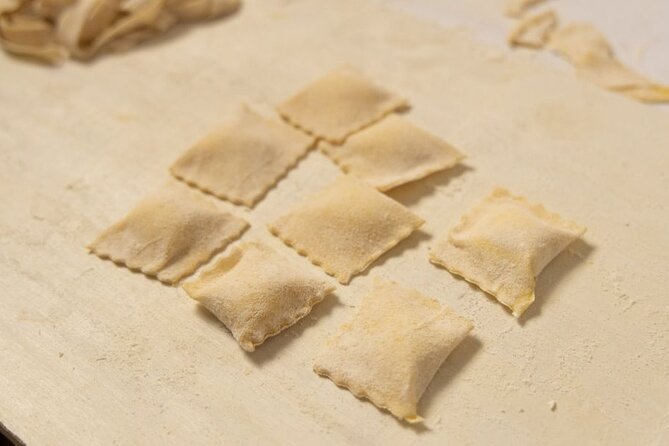
Next comes ravioli stuffed with ricotta and spinach, finished in a butter and sage sauce. Ravioli teaches a different set of skills than fettuccine: sealing, portioning, and keeping the filling controlled so you don’t get leaks when you cook.
If you’ve ever bought ravioli in a shop and wondered why yours might look different, this is where you learn why—filling distribution and sealing matter.
What helps you succeed
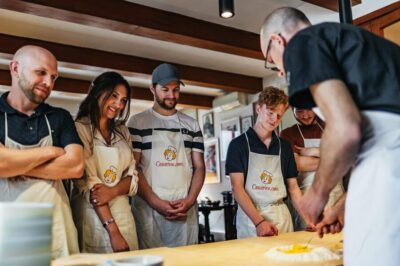
Guides are animated and hands-on. In class feedback, names like Giuseppe, Fabio, and Samuel came up as friendly hosts who explain while they teach. That’s a good sign when you’re learning something tactile. You’ll want someone watching your technique, not just pointing at a diagram.
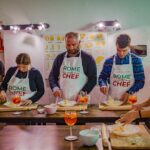

The “Sauce” Reality Check (And How It Still Makes Sense)
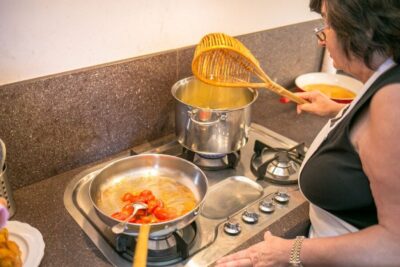
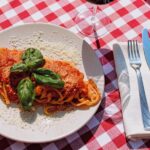
You might notice a difference between what you expect and what you’re taught: some sauce components are prepared ahead of time. That doesn’t mean the class is low-effort. It means the course keeps the time focused on the skills that take longer—dough handling and pasta shaping.
One suggestion that came up: people wished they also made more sauce variations on-site (like a red sauce). If that’s your priority, keep your expectations grounded. This is primarily a pasta-and-dessert skills lesson, not a full “cook everything from scratch” program.
The good news is you still get the flavor of the meal, and you also leave with more help for recreating it later. A recipe PDF is provided after the class, and sauce recipes were referenced as something you’ll receive even if sauces are pre-prepped.
Tiramisu: Demo Style, Then You Get the Best Part
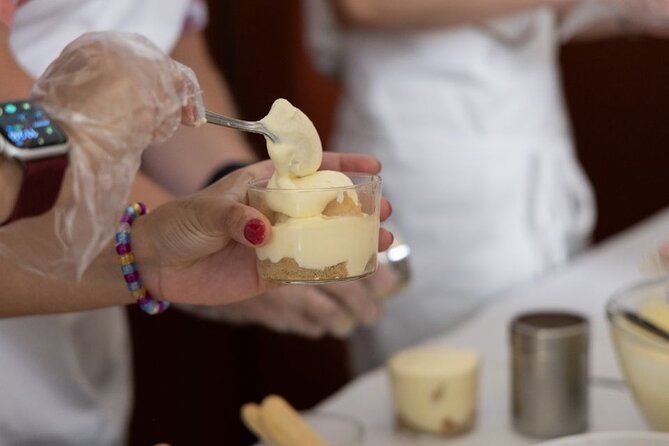
After the pasta work, you switch gears to dessert. Tiramisu is the classic Rome-friendly finale: layers of espresso-soaked ladyfingers and mascarpone cream, finished with cocoa on top.
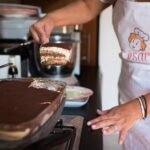
Here’s the practical expectation: the tiramisu portion is typically more of a demonstration than a full hands-on build where you do every step yourself. That can still be satisfying because you get to see the technique closely—how the coffee is handled, how layers are assembled, and how the cream texture stays smooth.
You’ll then taste the finished tiramisu. And the session ends with something warm and fun afterward: caffè or limoncello. That last sip matters after pasta-making, when your hands are sticky and you’re ready to actually enjoy the meal instead of thinking about it.
Drinks, Photos, and the Small-Group Feel
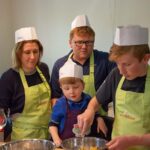
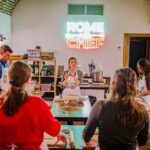
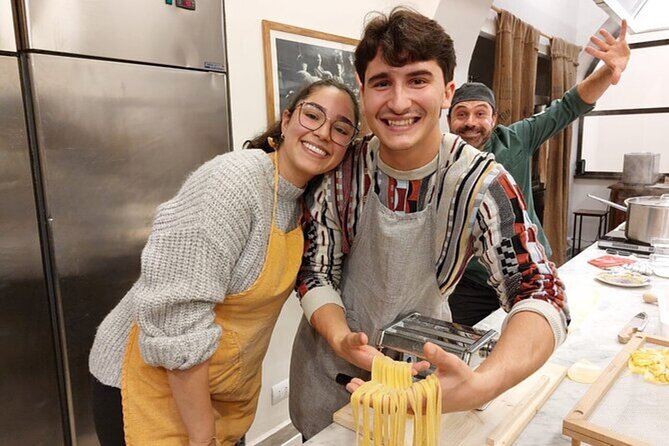
This experience runs in English and stays small—maximum 15 travelers. That group size changes the atmosphere. You’re not waiting your turn for an instructor’s eyes, and you’re more likely to get quick fixes when dough thickness or shaping needs adjustment.
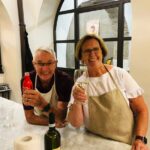
Alcohol is handled smartly: you get a glass of Italian wine or a soft drink during the class. It’s not an all-night situation, and it doesn’t replace the cooking focus. Think of it as part of the meal rhythm.
A couple of “little things” show up in feedback that I consider genuinely useful:
- Aprons and all cooking utensils are provided, so you can just arrive and work
- Photos are taken during your experience and shared afterward
- A recipe PDF is sent after, which helps you repeat the results at home
Those extras make the class feel like a complete experience, not just a lesson you forget on the way back to your hotel.
Price and Value: Is $90.02 a Good Deal?
At $90.02 per person for about 3 hours, the value comes from what’s included, not just the fact that pasta is the headline.
You’re getting:
- Hands-on instruction (not passive watching)
- Ingredients and utensils
- The meal you prepare (both pasta dishes plus dessert)
- A drink (wine or soft drink)
- A finish drink (caffè or limoncello)
- A recipe PDF after
If you were to pay for ingredients, utensils, and a guide in a typical setting, the math adds up fast. The included meal is the real anchor. You’re not just learning; you’re eating what you made.
The only “value watch” is that tiramisu may be more demo than full participation, and sauces may be pre-prepared. But even with that, you’re still leaving with the key skills: pasta dough handling and shaping, plus a clear path to making tiramisu at home.
Who This Cooking Class Fits Best (And Who Should Skip It)
This works especially well for:
- Food lovers who want skills, not just photos
- Couples who want a shared activity that feels local and relaxed
- Families with teens, since the cooking portion is hands-on and the pacing keeps it fun
- Travelers who want a break from constant museums and churches
If you’re the type who needs total hands-on control for every part of a meal, you might feel slightly limited by the demo-style dessert and pre-prepped sauce approach. The same goes if you’re expecting a long, sit-down restaurant-style tasting. This is a working class, not a tasting menu theater.
How to Plan It in Your Rome Day
Plan this as a “reset” day. After you’ve done big sights, come here to do something tactile. You’ll use your hands, your brain, and you’ll eat something you made, which is an efficient way to end the day on a high note.
A few practical tips based on what the session involves:
- Wear clothes you’re okay with getting a little flour on (even with aprons)
- Arrive hungry and ready to stay focused—this is hands-on work
- If you’re doing other food stops, don’t schedule too much right after. Pasta plus tiramisu is plenty
Since it ends back at the meeting point, you can keep your evening plans simple. That’s handy in Rome, where finding dinner reservations last-minute can turn into a mini quest.
Should You Book This Fettuccine, Ravioli, and Tiramisu Class?
Yes, book it if you want a real skills session with a guaranteed payoff: you leave with pasta you made, tiramisu you enjoyed, and recipes you can actually use later. The small group size and friendly hosting names like Giuseppe, Fabio, and Samuel suggest the vibe is both fun and instructive.
I’d think twice only if your goal is to cook every component from scratch or you strongly prefer fully hands-on dessert. For most visitors, this is a great way to get a slice of Roman everyday food culture without turning your day into more walking.
If you’re looking for a memorable Rome moment that isn’t another line, another ticket, or another late-afternoon crowd, this pasta class is a smart bet.
FAQ
How long is the cooking class in Rome?
The class lasts about 3 hours.
What’s included in the price?
You get the hands-on cooking class, ingredients and utensils, the dishes you prepare, aprons, a glass of wine or a soft drink, and caffè or limoncello.
Where does the class meet?
The meeting point is iQ Hotel Roma, Via Firenze 8, 00184 Roma RM, Italy. The experience ends back at the meeting point.
Is the class offered in English?
Yes, the class is offered in English.
How big are the groups?
The class has a maximum of 15 travelers.
Can I cancel for a refund?
Yes. You can cancel for a full refund up to 24 hours in advance. If you cancel less than 24 hours before the start time, the amount paid is not refunded.