REVIEW · ROME
Private Cooking Class in the Heart of Rome 3 types of Pasta and Wine
Book on Viator →Operated by Roma Gourmet Experience · Bookable on Viator
Rome tastes better when you make it. In this private class, Chef Christian teaches you real dough-and-sauce technique for handmade pasta, and you get to eat everything at the end with wine. One thing to consider: the kitchen may be outside the densest historic center, so plan for a short ride rather than expecting to step out directly into the most tourist-packed blocks.
I love that you’re not stuck with museum-style watching. It’s a hands-on session that focuses on technique, and it also includes gluten-free options and a full meal (starter, pasta courses, dessert). If you want a practical, sit-down way to learn Italian food culture in a small, English-friendly setup, this is a solid choice.
In This Review
- Key Things That Make This Pasta Class Worth Your Time
- Pasta, Wine, and a Real Local Kitchen in Rome
- Meet Chef Christian and Get Past the Awkward First Minutes
- What You’ll Cook: Fettuccine, Gnocchi, and Cavatelli
- Bruschetta, Wine, and Dessert: How the Meal Portion Works
- Basilica di Santa Maria in Trastevere and the Trastevere Walk
- Location Reality: Not Always in the Most Central Blocks
- Private Group Cooking That Feels Personal
- Value Check: What $94.92 Really Buys You
- Tips to Get the Most From Your Pasta Class
- Should You Book This Pasta and Wine Class in Rome?
- FAQ
- How long is the Private Cooking Class in the Heart of Rome?
- Is the class offered in English?
- Is this a private tour or shared group?
- What types of pasta will we make or eat?
- Does it offer gluten-free options?
- Is wine included?
- What food is included besides pasta?
- Where does the experience start, and how does it end?
- Can I get a full refund if I cancel?
Key Things That Make This Pasta Class Worth Your Time
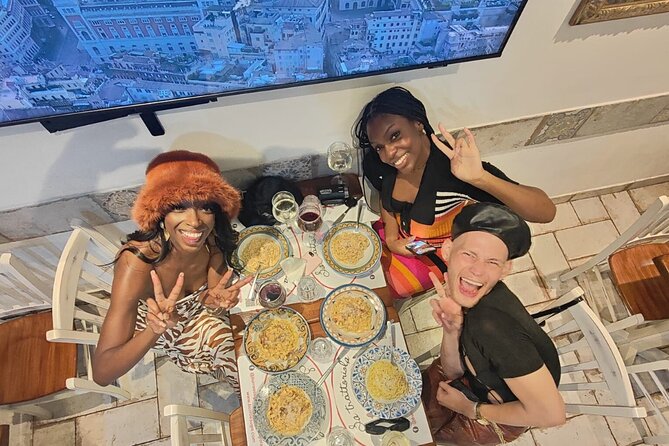
- Chef Christian’s clear, step-by-step teaching so you understand what you’re doing, not just follow motions
- You make multiple pastas, including fettuccine and gnocchi (plus a cavatelli first course as part of the meal)
- Wine is part of the experience, with age rules handled for those under 18
- A private format where it’s only your group, not a mixed crowd
- Gluten-free course available, with accommodations that can also cover other needs
- You leave with more than memories, since you get recipe info and a photo/video recap in at least some sessions
Pasta, Wine, and a Real Local Kitchen in Rome
If your Rome trip plan is all big sights, this class is a smart counterweight. You get food you actually made, not just food you watched land on a plate. And because the teaching is in English, you can focus on the craft instead of playing language catch-up.
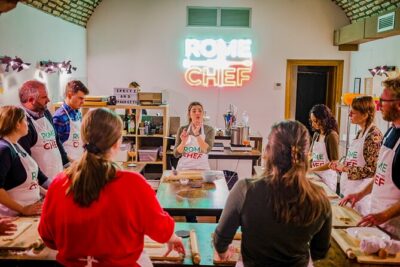
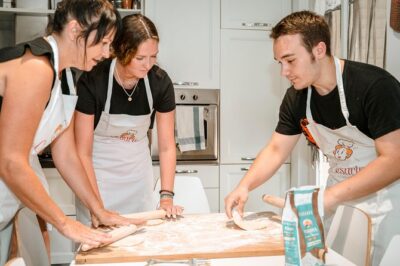
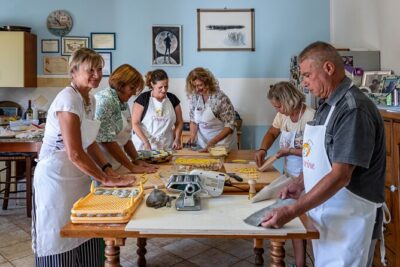
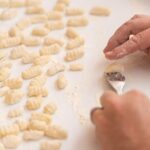
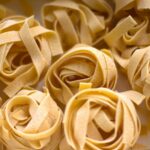
The heart of the experience is handmade pasta. You’ll learn how to shape fettuccine and make gnocchi, then you’ll sit down and eat the first courses you produced. This turns the class into a full meal experience: starter, pasta, wine, and dessert.
Also, you’re not just learning “recipes.” You’re learning why certain steps matter. That’s the kind of knowledge that sticks, even after you go home and the novelty wears off.
You can also read our reviews of more tours and experiences in Rome.
Meet Chef Christian and Get Past the Awkward First Minutes
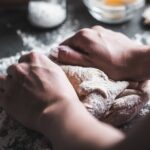
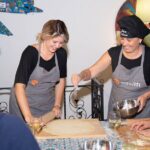
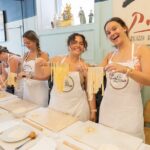
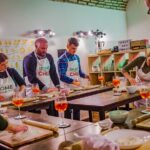
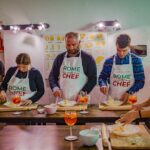
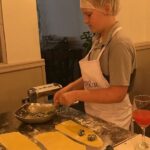
The vibe in the kitchen is practical and friendly. Chef Christian’s job is to turn a messy lump of dough into something you can roll, cut, and shape with confidence. In multiple sessions, guests specifically highlighted how he teaches without rushing and how the instructions are easy to follow.
Here’s what you can expect your first stretch to feel like:
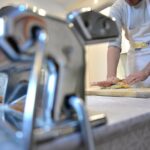
- You’ll learn how to use a pasta making machine the right way.
- You’ll get guidance on dough consistency and handling.
- You’ll get sauce direction too, since Italian pasta is more than pasta shape—it’s the pairing.
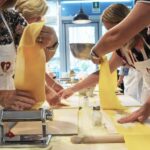
This is the difference between a passive cooking demo and real instruction. You’ll be doing the work, with a chef watching closely enough to help when your dough goes slightly off-script.
What You’ll Cook: Fettuccine, Gnocchi, and Cavatelli
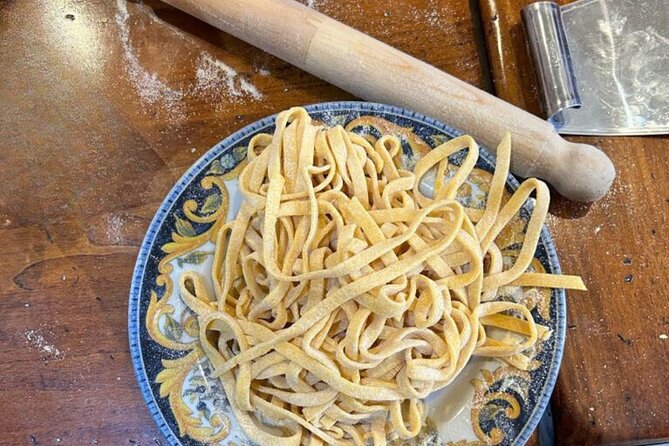
The workshop centers on fettuccine and gnocchi. That matters because these two are very different skills:
- Fettuccine teaches you the rhythm of rolling dough and getting even thickness.
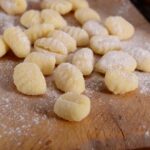
- Gnocchi teaches shaping and texture, where small changes show up fast.
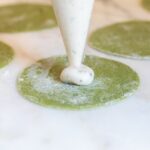
Then the meal portion includes three first courses: fettuccine, gnocchi, and cavatelli. Even if you’re not the one physically making every shape in every phase, the structure still makes the evening feel complete: you leave with a sense of the full pasta lineup, not just two projects and a lot of waiting.
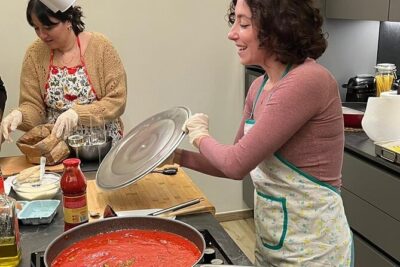
You’ll also work with sauce choices. The course includes dressing with traditional Italian sauces, and you can choose from the options offered. That flexibility is great because it lets you match what you like—no one wants to learn pasta only to eat something they don’t enjoy.
And if dietary needs are part of your planning, the experience includes a gluten-free course option. In practice, it’s the kind of accommodation that’s worth asking about directly at booking if you have specific restrictions.
Bruschetta, Wine, and Dessert: How the Meal Portion Works
The meal isn’t an afterthought here. It’s the pay-off.
You’ll start with two bruschettas, described as seasonal Italian options. This is a smart opener for two reasons:
- You get something tasty while your pasta is finishing.
- You get a taste of the local flavor logic—simple ingredients handled well.
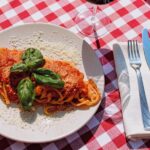
Next come the pasta first courses: the group’s pasta (fettuccine and gnocchi) plus cavatelli as part of the set menu. You’ll eat the pasta with the sauces chosen during the class process.
Wine is included as a glass with the meal, and the age rule is handled according to Italy’s legal drinking age (18). If you’re traveling with teens, this is good to know ahead of time because the experience won’t try to make it awkward.
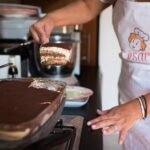
Finally, you get a homemade dessert of your choice from the day’s proposals. That last course is what makes the whole thing feel like an authentic Italian meal, not just a cooking workshop with snacks.
Basilica di Santa Maria in Trastevere and the Trastevere Walk
This is not a pure kitchen class. You’ll also get out for a bit and connect the food to place.
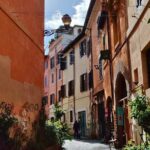
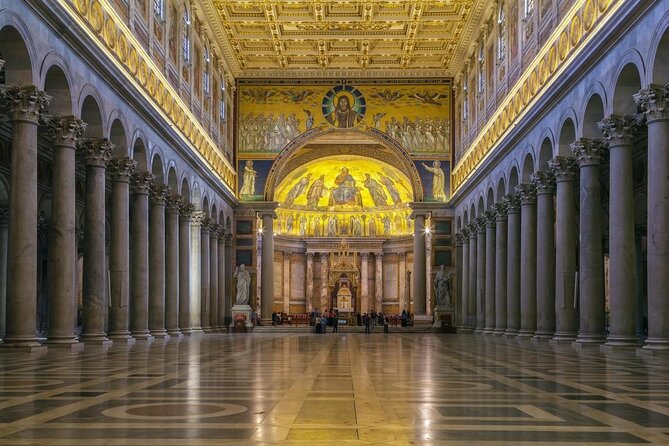
The experience includes time at Basilica di Santa Maria in Trastevere, then time in Trastevere. Even a short window here helps you understand why people love Rome’s neighborhoods: the streets feel lived-in, and the vibe is different from the big landmark corridors.
What to watch for:
- Keep an eye on your shoes. Trastevere can be rough underfoot, and you’ll be heading back to a cooking setup afterward.
- Use the walk time to get your bearings. Even if you don’t care about churches as architecture, the neighborhood context makes the food feel more grounded.
It’s a nice rhythm: a heritage stop, a neighborhood stroll, then back to hands-on cooking.
Location Reality: Not Always in the Most Central Blocks
Here’s the one practical catch that matters. The class experience has had venue setups that aren’t always right in the thick of what most people picture as Rome’s heart.
Depending on the session, the kitchen may be outside the classic historic-center pocket—one account notes a roughly 30-minute ride out via Uber. Another detail worth planning around: the new kitchen can be in the Appia Antica Archaeological Park area, which tends to feel calmer and more comfortable than staying in the most congested zones.
If you’re trying to keep logistics painless, plan for:
- A short ride if you’re staying near major tourist landmarks.
- Public transport access: buses from areas like Piazza Venezia or the Palatine area can reach the entrance in around 20 minutes.
None of this ruins the day. It just changes the strategy. Treat it like a destination, not a quick hop.
Private Group Cooking That Feels Personal
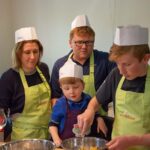
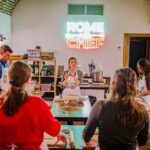
This is listed as a private activity, meaning it’s only your group. That matters more than it sounds.
In a shared-class format, you can end up watching more than you cook. In a private class, you’re more likely to get:
- More direct feedback on dough and shaping
- A calmer pace when your hands get floury and your brain needs a second
- Room for conversation—travel stories, local history chat, and helpful tips
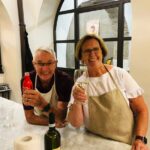
More than one guest noted how the class can run as a true family-sized session. That makes the learning feel less like an event and more like a lesson from someone who wants you to succeed.
Value Check: What $94.92 Really Buys You
At around $94.92 per person for roughly 2.5 hours, you’re paying for a lot more than “a cooking class.”
You’re typically getting:
- Instructor time from Chef Christian
- Hands-on instruction with the pasta machine
- The finished meal you help make: bruschettas, three first courses (including fettuccine and gnocchi you made, plus cavatelli as part of the meal), wine, water, bread, and dessert
- Recipe materials and a photo/video recap in at least some sessions
So the value isn’t just the pasta. It’s the combination of chef instruction + a full meal + the “take it home” support that helps you reproduce the basics later.
If your Rome budget is tight, a cooking class can feel like a splurge. But if you like learning skills you can use again (and you like eating well), this is one of the smarter splurges.
Tips to Get the Most From Your Pasta Class
You’ll do better if you show up ready to work and eat.
- Come with an empty stomach. Portions are described as generous, and you’ll likely be eating what you make.
- Wear clothes you don’t mind getting flour on. Pasta hands are messy. That’s part of the fun.
- Ask about dietary needs at booking. The experience includes gluten-free options, and Chef Christian can accommodate dietary requirements based on the session details.
- Don’t rush the steps when the chef demonstrates. In pasta-making, speed is how mistakes happen.
If you care about taking memories home, keep your phone charged. The experience may also include photo/video documentation, and you might receive a recap after the class in some sessions.
Should You Book This Pasta and Wine Class in Rome?
Book it if you want:
- A hands-on way to learn Italian cooking technique
- To eat a real meal in the same session as the cooking
- A private, English-friendly class with a chef who teaches patiently
- A path to recreate pasta at home using practical know-how
Skip it or rethink if:
- You’re only interested in the most central, walk-everywhere sightseeing area and you hate the idea of a short ride out
- You don’t enjoy being actively involved in cooking (this is not a sit-and-watch show)
For most travelers, this lands as a fun, skill-building afternoon with a sit-down Italian payoff—exactly the kind of Rome experience that changes how you remember dinner back home.
FAQ
How long is the Private Cooking Class in the Heart of Rome?
The class is about 2 hours 30 minutes.
Is the class offered in English?
Yes, the experience is offered in English.
Is this a private tour or shared group?
It’s private. Only your group participates.
What types of pasta will we make or eat?
The workshop focuses on handmade fettuccine and gnocchi, and the meal includes three first courses: fettuccine, gnocchi, and cavatelli.
Does it offer gluten-free options?
Yes. A gluten-free course is available, and accommodations can be made for dietary requirements.
Is wine included?
A glass of wine is included with the meal, but alcoholic beverages won’t be served to anyone under 18 (Italy’s legal drinking age).
What food is included besides pasta?
You’ll have two bruschettas, a glass of wine, water, bread, and a homemade dessert of your choice from the day’s proposals.
Where does the experience start, and how does it end?
It starts at Via Ardeatina, 237, 00179 Roma RM, Italy, and ends back at the same meeting point. It’s near public transportation.
Can I get a full refund if I cancel?
Yes. Free cancellation is available if you cancel at least 24 hours before the experience’s start time for a full refund.