REVIEW · TRIESTE
Trieste: Private Pasta-Making Class at a Local’s Home
Book on GetYourGuide →Operated by Cesarine · Bookable on GetYourGuide
Fresh pasta, made at home. No restaurant script.
In Trieste, this private pasta-making class with a Cesarina (certified home cook) is built around learning a few regional recipes the hands-on way, then sitting down to taste your work with local wine. I love that you’re not just watching—you get your own workstation, utensils, and ingredients, so you can actually make the pasta, not just hover over the counter.
Two other things I like: you’ll go through three authentic regional pasta recipes during the lesson, and the table tasting comes with water, a selection of red and white local wines, plus coffee. One drawback to consider is the usual value question with home dining experiences—some guests felt the price didn’t match what they received, even if the host made an effort.
In This Review
- Quick hits before you book in Trieste
- Why a Cesarina’s home pasta class in Trieste feels different
- Three regional pasta recipes, taught one trick at a time
- Your workstation setup: utensils, ingredients, and real practice
- The table tasting with local wine, water, and coffee
- Price and value: what you’re really paying for
- Timing in Trieste: 10:00 AM or 5:00 PM, with some flexibility
- Languages and dietary requests: practical ways to make it work
- Who this private Trieste pasta class suits best
- Should you book the Trieste private pasta-making class?
- FAQ
- Where does the class start?
- How long is the pasta-making class?
- What’s included besides cooking?
- What languages is the instructor teaching in?
- Can the host accommodate dietary restrictions?
- How should I schedule the class during my day?
Quick hits before you book in Trieste
- Private, at-a-local-home setup where you ring the doorbell and get welcomed like a friend of the family
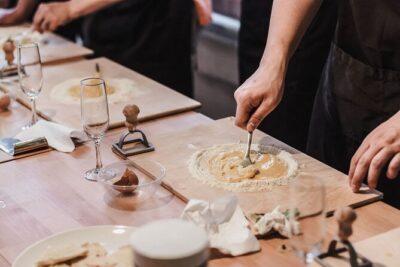
- Hands-on workstations with utensils and all ingredients provided for the three dishes
- Three regional recipes taught by a Cesarina, with the tricks of the trade included
- Taste-everything meal right at the table, paired with red and white local wines, plus water and coffee
- Flexible timing: typically 10:00 AM or 5:00 PM, with some flexibility if you ask in advance
- Dietary options by request, including vegetarian, vegan, and gluten free
Why a Cesarina’s home pasta class in Trieste feels different
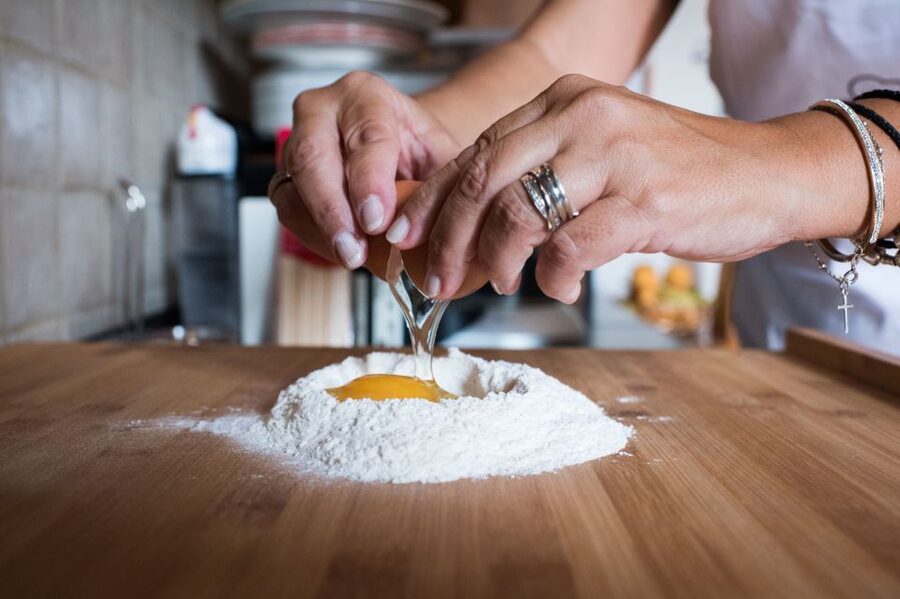
Most cooking classes teach technique. This one teaches local habits—because it’s hosted from inside the home, not behind a studio kitchen wall. You’re greeted at the host home address (sent after booking), and the session is run in a private group setting, led by a Cesarina who cooks from family knowledge.
That matters for two reasons. First, the class isn’t trying to impress you with fancy showmanship. It’s trying to help you understand what good pasta feels like in real life: dough texture, rolling or shaping, and timing so the pasta lands on the table while it still tastes like pasta just made.
Second, the meal part isn’t an afterthought. You’ll taste what you prepared around the table, which turns the class into something closer to a shared dinner than a short cooking demo. And yes, there’s wine involved—both red and white local options—so it naturally shifts from instruction mode to food-and-conversation mode.
You can also read our reviews of more tours and experiences in Trieste.
Three regional pasta recipes, taught one trick at a time
The class structure is built around three authentic regional pasta recipes. During the lesson, your Cesarina reveals the tricks of the trade for each recipe, and you put those techniques into practice at your own station.
What I find useful here is the sequencing. When you learn one recipe and then immediately repeat the workflow in the next one, you start spotting patterns: how dough responds, what the “right” look and feel is, and which steps are timing-sensitive. Even if you’ve made pasta before, you’ll probably pick up small regional preferences—how thin or thick the dough is expected to be, and how the cooking and serving rhythm is managed.
Also, the format keeps the day grounded. Instead of ten topics and ten half-finished plates, you focus on three dishes you can actually taste fully at the end. You’ll know what you’re making, why it works, and how it’s meant to be served, because you sit down and eat it.
Your workstation setup: utensils, ingredients, and real practice
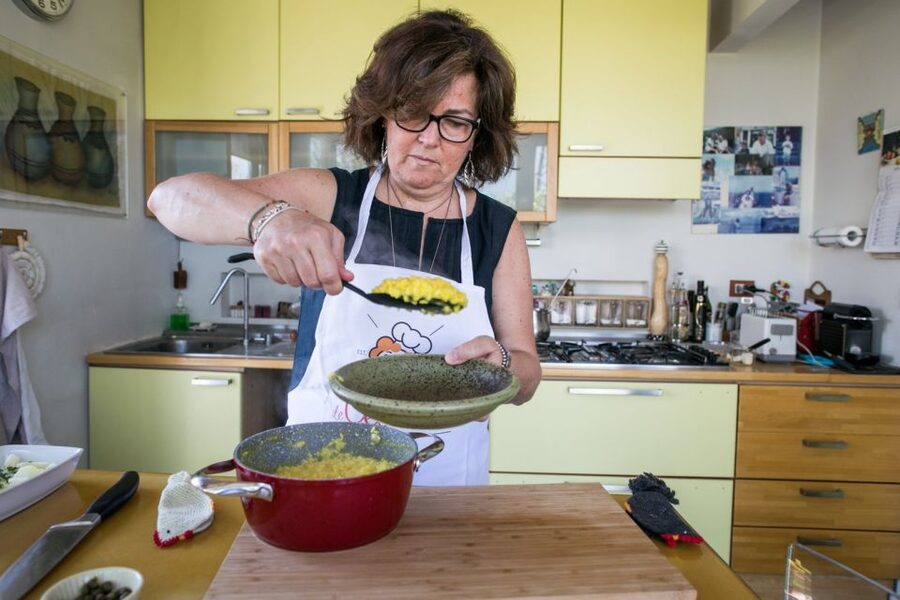
Here’s the practical part that makes this class more than a cultural activity. Each participant gets a workstation equipped with utensils and ingredients to make the dishes. That means you’re not waiting on someone else’s tools, and you’re not “helping” by doing one tiny step while the host does the serious work.
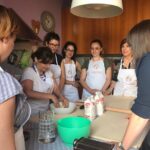
Because the group is private, the pacing is more comfortable than in a large class. In a perfect world, everyone gets enough attention to correct the small mistakes—like dough handling—before they become a big problem later in the recipe.
If you’re the type who learns best by doing, this is a strong match. You’ll be moving through the steps, tasting along the way in your own process (even if tasting happens most fully at the end), and building confidence rather than just collecting tips you’ll forget on the walk back to your hotel.
The table tasting with local wine, water, and coffee
The best part for me in any pasta class is the moment you stop working and finally eat what you made. Here, you’ll taste everything you prepared, with the meal accompanied by a selection of red and white local wines, plus water and coffee.
That tasting is also the quality check. If a dough is too wet, too stiff, or cooked at the wrong pace, you’ll feel it in the first few bites. If a sauce pairing works, you’ll understand it fast—because you’re tasting the full result, not just judging technique in the abstract.
Keep your expectations realistic about a home meal. This is not an all-you-can-eat show kitchen. It’s a three-dish tasting you’ll enjoy around the table, with wine added for pairing and atmosphere. For many people, that’s exactly what they want: a few great things done well, not endless portions.
Price and value: what you’re really paying for
At $164.26 per person, you’re paying for several things at once: a private setting in a local home, instruction from a Cesarina, the ingredients and utensils for the class, and the full meal tasting with beverages (water, local wines, and coffee).
The value question hinges on your expectations. If you want a quick, inexpensive taste of pasta basics, this may feel steep. If you want a guided, private, hands-on evening with a proper sit-down meal, the price can start to make more sense.
One important warning to file away: at least one past booking criticized the price-performance balance, saying the amount of food and overall offering didn’t match the cost (they even referenced that they would have preferred a Michelin meal). That doesn’t automatically mean the experience is poor. But it does tell you what to watch: you should want both (1) instruction and (2) a meaningful tasting. If you’re mainly hungry and want maximum calories per dollar, you may not love the tradeoff.
Timing in Trieste: 10:00 AM or 5:00 PM, with some flexibility
This class is scheduled for about 3 hours, with typical start times around 10:00 AM or 5:00 PM. Your host can be flexible based on your travel needs if you provide that information in advance, which is helpful if your plans don’t line up neatly with your dining schedule.
Why timing matters for this experience: you’re learning dough skills that require focus and then switching to a meal right after. If you schedule something immediately before and after, you might feel rushed. I’d build your day with breathing room—especially because you’ll likely want a slow walk after tasting wine, not a sprint to catch a train.
If you come in at the late afternoon start, the whole experience naturally turns into your anchor meal of the day. If you start in the morning, you’ll have a head start on the local food culture and still get plenty of day left for Trieste exploring.
Languages and dietary requests: practical ways to make it work
Instruction is available in English and Italian, so you should be able to follow the steps comfortably even if your Italian is limited. That’s a big deal in a cooking class, where the difference between 30 seconds and 2 minutes can change texture.
On the food side, the provider can cater to dietary requirements upon request, including vegetarian, vegan, and gluten free. If that matters for you, request it clearly when you book (or through the confirmation details you receive), because classes are built around ingredients already prepared.
My advice: treat dietary requests as part of your planning, not an afterthought. When the host knows your needs early, you’re more likely to get a session that feels intentional rather than improvised.
Who this private Trieste pasta class suits best
This class is a great fit if you want an authentic-feeling meal experience without the formality of a restaurant. It’s also ideal if you like structured learning through doing—because you get a workstation and you make the dishes, then you eat them.
Here are the travelers who tend to enjoy it most:
- People who enjoy cooking and want to leave with technique, not just photos
- Food lovers who like sitting down to eat what they made, right away
- Couples and small groups who want a calmer, personalized class (it’s private)
- Guests who care about pairing the cooking with a wine-included table experience
If you’re mainly chasing value at the lowest cost, the criticism around price-performance is your cue to reconsider. But if you’d pay for a private, guided cooking meal in a home environment, it may land closer to what you’re looking for.
Should you book the Trieste private pasta-making class?
I’d book this if you want a hands-on pasta lesson in a local home, taught by a Cesarina, with three regional recipes you can actually taste at the end. The strongest reasons are practical: you cook with your own setup, you get a full sit-down tasting with local wines and coffee, and it’s paced as a private experience rather than a rushed group production.
I wouldn’t book it if you’re expecting restaurant-level quantity for the price or if you mainly want a cheap meal. The one standout complaint in the feedback is about value, and that’s the main thing to respect.
If you do book, send your dietary needs early (if relevant) and pick a start time that won’t leave you scrambling afterward. Then plan to treat it like dinner with homework—because that’s exactly what it is.
FAQ
Where does the class start?
It starts at your host home. After booking, you’ll be contacted with the exact address and a mobile number. When you arrive, you ring the doorbell.
How long is the pasta-making class?
The experience runs for 3 hours, though you’ll want to check availability to see the exact starting times.
What’s included besides cooking?
You’ll taste the three local pasta dishes you make. The class also includes beverages: water, local wines, and coffee.
What languages is the instructor teaching in?
The instructor teaches in English and Italian.
Can the host accommodate dietary restrictions?
Yes. Dietary requirements can be catered to upon request, including vegetarian, vegan, and gluten free.
How should I schedule the class during my day?
The class usually begins around 10:00 AM or 5:00 PM, and the provider can be flexible based on travel requirements if you provide that information in advance.