REVIEW · CATANIA
Cooking class fresh pasta
Book on GetYourGuide →Operated by Futuro e Lavoro · Bookable on GetYourGuide
Fresh pasta in Sicily sounds like a plan you can taste. This 3-hour cooking class is built around making dough from scratch in a professional kitchen setup, shaping several types of pasta, then finishing everything so you can eat what you made. You’ll work with two pasta doughs and season them with classic Sicilian flavors like Norma and Sicilian pesto.
What I like most is the hands-on structure: you’re not just watching. You learn how to make dough for egg pasta and durum wheat pasta, then you shape it into tagliatelle, stuffed pasta, and maltagliati. A second big win is the way the chef ties technique to flavor—ragù, Norma, and pesto aren’t random toppings; you learn what makes each one work with fresh pasta. One consideration: because you’re making multiple items in one sitting, this works best if you enjoy cooking actively and want a full workshop dinner, not a casual snack-and-sip class.
In This Review
- Key Highlights You’ll Actually Use
- A Sicilian Pasta Lab Session: What the 3 Hours Feel Like
- Two Dough Styles: Egg Pasta and Durum Wheat for Tagliatelle, Ravioli-Style Filling, and Maltagliati
- Sicilian Sauces You’ll Cook: Ragù, Norma, and Sicilian Pesto
- Ragù
- Norma
- Sicilian pesto
- From Dough to Dinner: Chef Finishes, Then You Taste With Wine
- What Makes the Teaching Style Work (Clean Lab, Patient Guidance, and Recipes)
- Price and Value at $112.15: Skills, Not Just a Meal
- Who This Sicilian Fresh Pasta Class Fits Best
- Should You Book This Cooking Class Fresh Pasta in Sicily?
- FAQ
- How long is the cooking class?
- What pasta will I make during the class?
- What sauces are part of the experience?
- Will there be a tasting of what I make?
- What languages are offered for instruction?
- Is free cancellation available?
- How much does it cost?
Key Highlights You’ll Actually Use
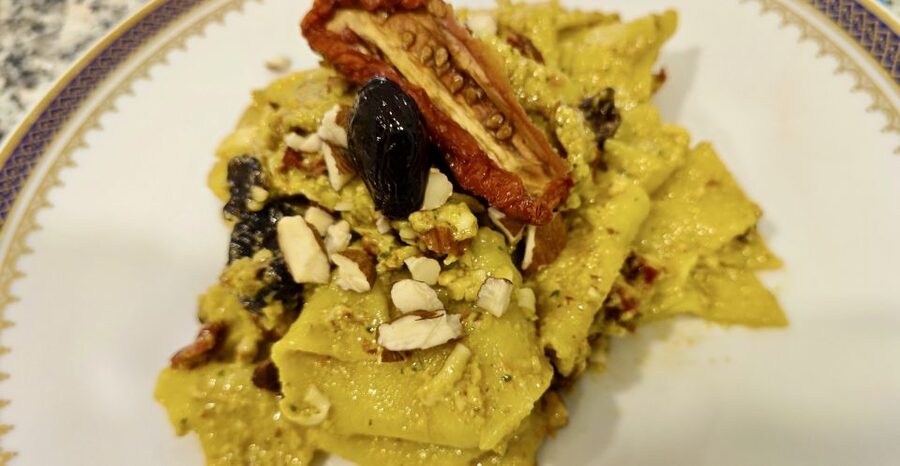
- Two doughs from scratch: classic egg dough plus Sicilian durum wheat dough
- Three pasta styles: tagliatelle, stuffed pasta, and maltagliati
- Sicilian sauce lineup: ragù, Norma, and Sicilian pesto
- Hands-on shaping and filling: learn how the forms come together
- Chef finishes the cooking: so you can focus on eating with the group
- Tasting with Sicilian wine: meal pairing included
A Sicilian Pasta Lab Session: What the 3 Hours Feel Like
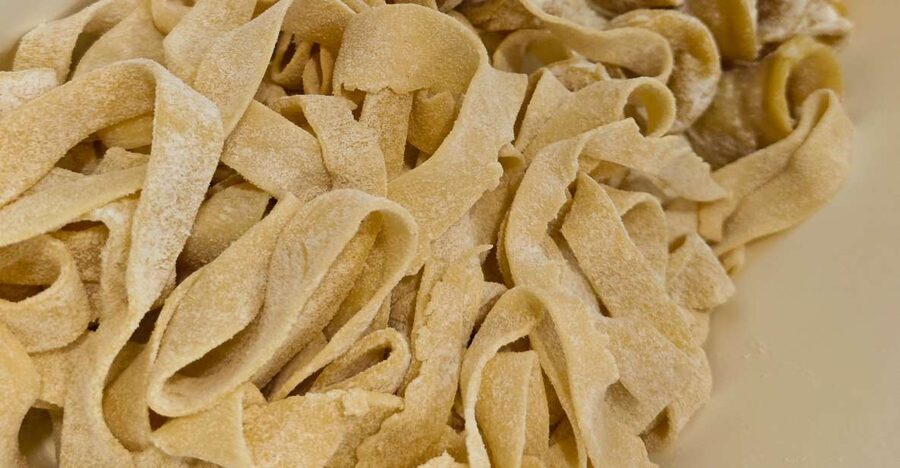
This class is designed like a real workshop, not a show. It runs about 3 hours, and when you check availability you’ll see different starting times, so you can usually fit it into a day in Sicily without wrecking your schedule.
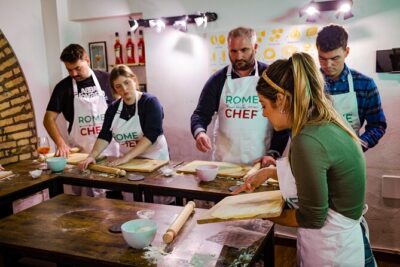
From the start, you’re in a professional cooking environment where the chef leads you from raw materials to finished plates. That matters more than it sounds. Fresh pasta can go wrong fast if you only learn one step. Here, the structure builds in order: dough, shaping, then sauces, then cooking and tasting. You leave with a clearer mental map of the whole process, which is what you need if you want to recreate the results at home.
You’ll also have an instructor in either English or Italian, depending on the session. That makes a difference if you want to ask quick questions while your dough is in front of you. And because pasta is timing-sensitive, learning with live guidance helps you avoid the common frustration of doing it later from memory.
Two Dough Styles: Egg Pasta and Durum Wheat for Tagliatelle, Ravioli-Style Filling, and Maltagliati
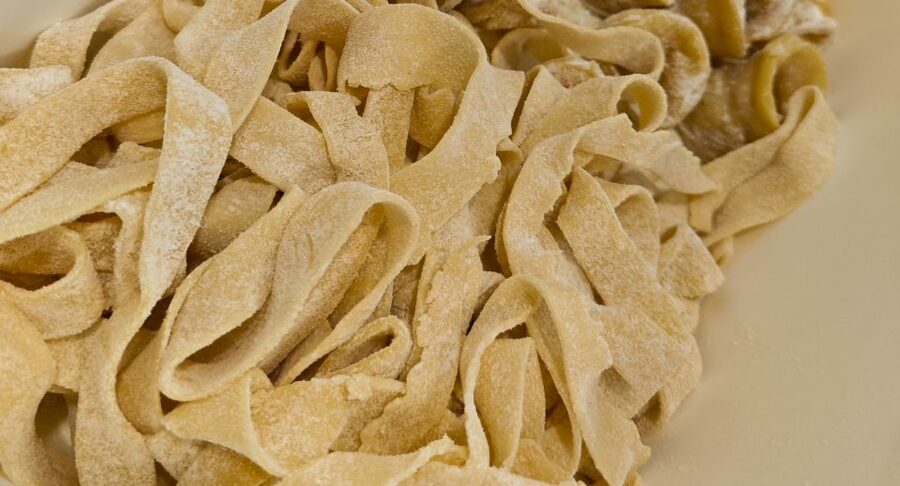
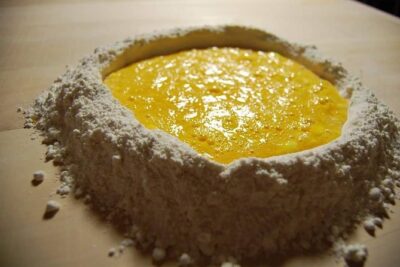
Pasta making is usually sold as one skill. This class teaches two. First, you make an egg pasta dough using the classic method. Then you make a durum wheat dough that’s typical for Sicily. The point isn’t trivia. Different doughs behave differently—how they stretch, how they hold shape, and how they handle sauce.
With those doughs, you’ll shape three pasta types:
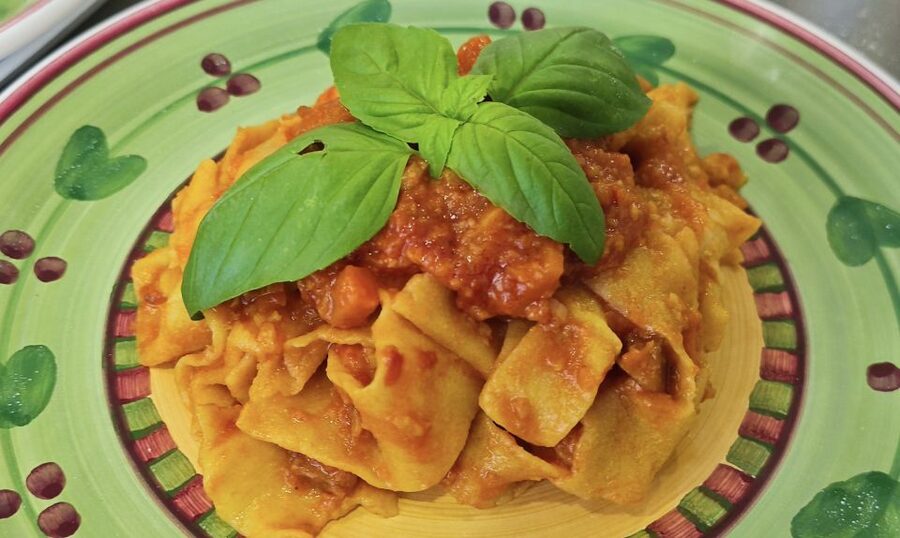
- Tagliatelle: a flat ribbon style that works beautifully with ragù and other thicker sauces.
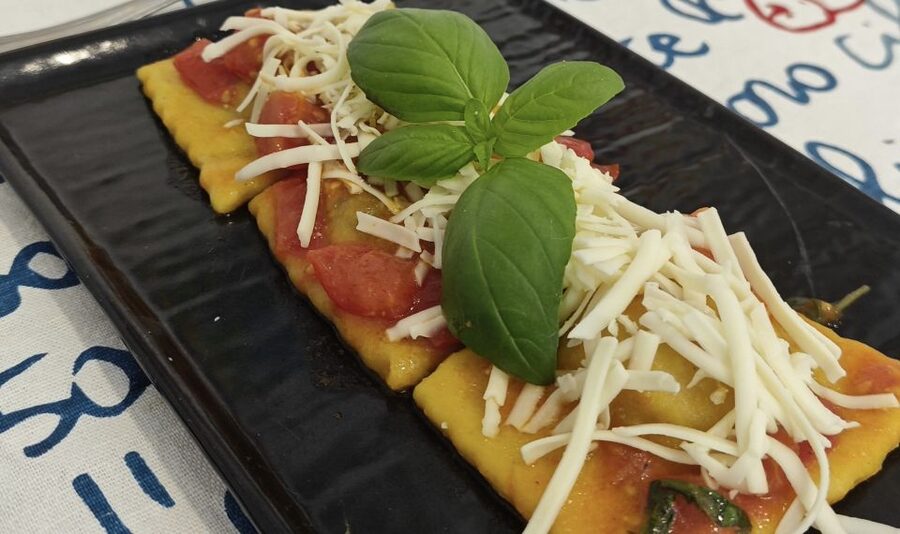
- Stuffed pasta: the class teaches you how to prepare the filling and how the pasta format comes together.
- Maltagliati: a more rustic, imperfect-cut style that’s often about texture and sauce cling rather than precision.
What I’d watch for if you’re choosing this experience is how much you value technique. If you’re the kind of person who likes to understand why something works, you’ll enjoy seeing how the dough choices support each pasta shape. If you just want to taste, you might be surprised by how much active work you do.
Also, stuffed pasta takes a bit of focus because it’s a multi-step format: dough, filling, then assembly. The upside is that once you understand the logic, you can apply it later with other fillings. That is the kind of practical takeaway that turns a one-time meal into an ongoing cooking skill.
Sicilian Sauces You’ll Cook: Ragù, Norma, and Sicilian Pesto
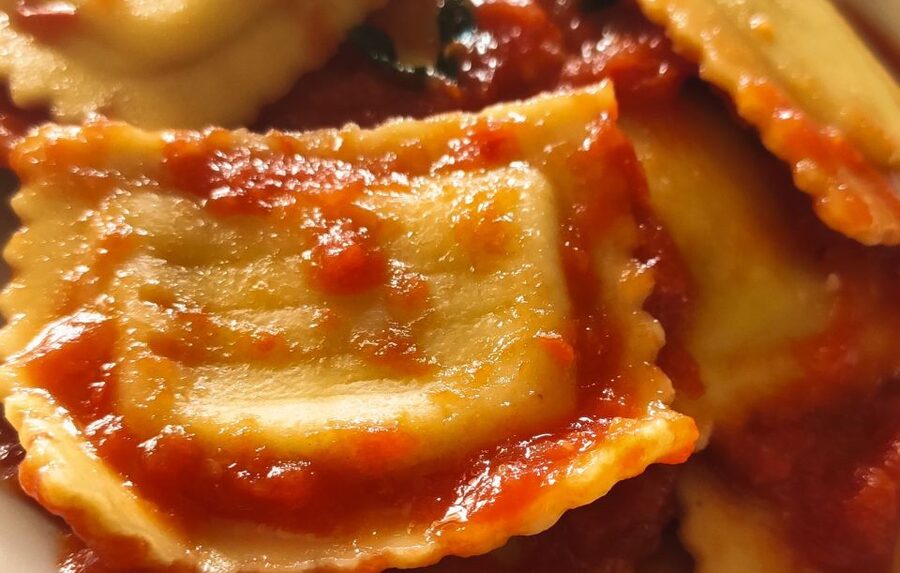
This is where Sicilian cooking really shows up on the plate. The class moves from pasta dough into seasoning and sauce techniques, and the menu is classic: ragù, Norma, and Sicilian pesto.
Ragù
Ragù is comfort food with a method behind it. In this class, you learn how to make it as part of the pasta experience, not as a separate dish. You’re seeing how a slow-cooked style sauce pairs with fresh pasta that’s made to hold flavor.
Norma
Norma is a Sicilian favorite, and it’s also a great lesson in how sauce and pasta form a relationship. The class includes making Norma, which gives you a firsthand sense of how the dish balances richness and acidity.
Sicilian pesto
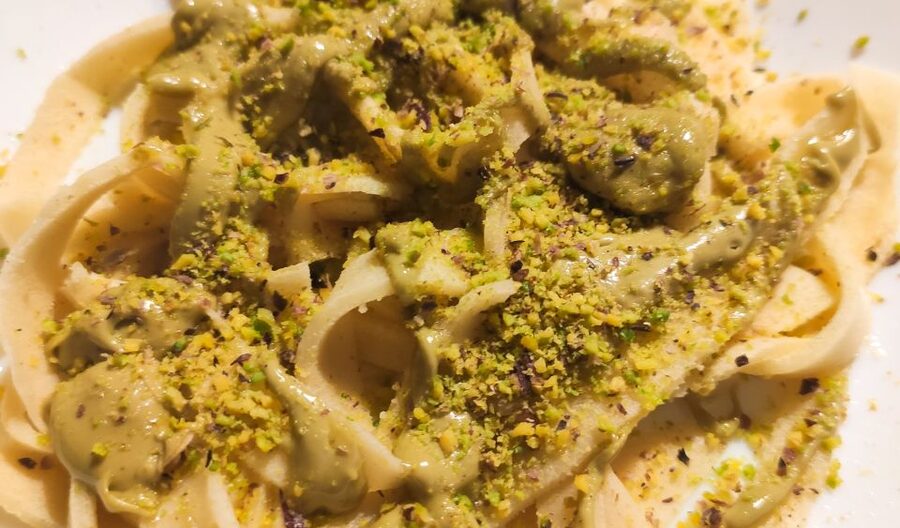
Sicilian pesto can taste different from the pesto many people expect. You get instruction on making it, so you’re not just recreating a generic version. This is one of the strongest reasons to take the class in Sicily: you’re learning a local flavor profile you might not find from standard Italian cooking sets elsewhere.
A smart way to think about these sauces: they cover different sauce weights and personalities. Ragù is hearty. Norma brings a distinct Sicilian character. Pesto adds brightness. That range helps you understand not only what to cook, but also what kind of pasta format each sauce likes.
From Dough to Dinner: Chef Finishes, Then You Taste With Wine
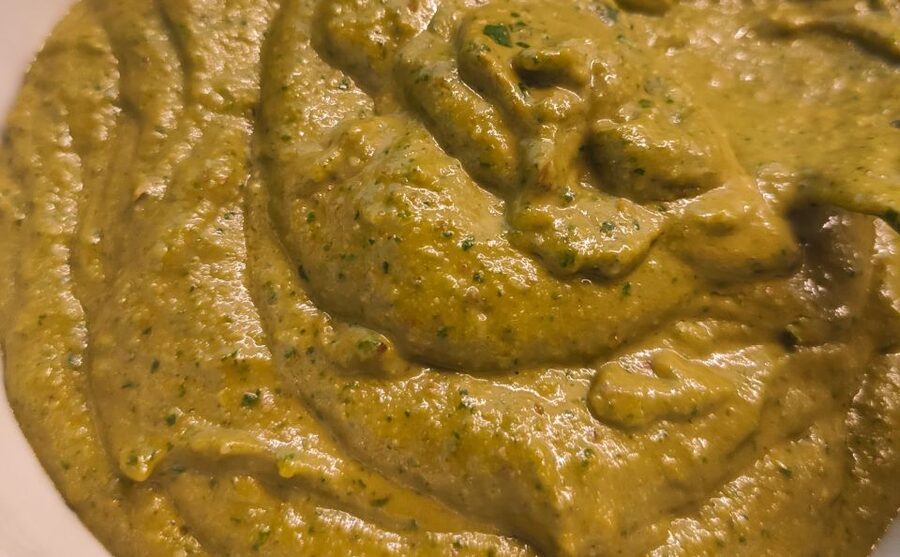
Once you’ve shaped the pasta and created the sauces, the chef completes the cooking for you. That’s a key detail. You get the satisfaction of making everything with your hands, but you’re not stuck standing over hot pans for the final stretch.
Then you sit down and taste the foods you made. The tasting part is not an afterthought. It’s the payoff that makes the earlier work feel worth it. You’ll also have Sicilian wine with the meal, and the sessions are designed so the tasting experience matches the instruction you received.
One small bonus you might encounter: some recent classes included a take-home bottle of wine as a memorable extra. Even if that isn’t guaranteed every time, it’s a sign the experience is meant to feel generous, not rushed.
The real win here is the timing. Fresh pasta is at its best when it’s made and served with care. Having the chef finish the cook helps you taste the pasta at its best, while still learning how the process starts with raw dough.
What Makes the Teaching Style Work (Clean Lab, Patient Guidance, and Recipes)
The quality of the instructor is a make-or-break thing in cooking classes, and this one clearly leans into teaching. In particular, Simona’s style is described as patient and enthusiastic, with clear knowledge and a friendly pace. There’s also mention of her mamma helping during the class, which adds a family-run warmth to the professional kitchen setup.
The facility itself is also described as clean and functional, which matters more than you think when you’re working with dough. Flour and water tools can turn messy fast, and you want a space that keeps things organized so you can focus on technique.
Another practical detail that stands out in feedback: you’re not just leaving with full plates. You also get recipes after the class. That’s huge value. Pasta skills improve when you can reproduce your steps, and recipes help you remember ratios, timing, and the order of tasks. Without that, most people only remember the fun part, not the method.
Price and Value at $112.15: Skills, Not Just a Meal
At $112.15 per person, this doesn’t feel like a budget snack. But it also isn’t priced like a simple tasting. You’re paying for hands-on instruction in a professional setting, plus ingredient work and a full meal that includes Sicilian wine.
What you get for the money is the ability to repeat the experience:
- You make dough (two types).
- You shape multiple pasta styles.
- You cook classic Sicilian sauces (ragù, Norma, pesto).
- You eat what you made and leave with recipes.
That combination changes the value equation. If you were just paying for dinner, it would be harder to justify. But if you want a cooking skill you can use later, the cost starts to make sense. Pasta is labor-heavy, and fresh pasta dough needs real technique, not just luck.
You’re also getting language support (English or Italian). That can matter for value because understanding instructions while you cook is what helps you produce a good result, not just a fun disaster.
If you’re the kind of traveler who remembers meals but doesn’t cook again, this might be less compelling. If you enjoy taking home a skill, this is strong value for Sicily.
Who This Sicilian Fresh Pasta Class Fits Best
This class is a great match if you:
- want an authentic Sicily-centered cooking experience, with sauces like Norma and Sicilian pesto
- enjoy hands-on lessons where you actively shape and build dishes
- like learning technique so you can cook at home, not just eat a nice dinner
- want an English or Italian guided session in a professional kitchen environment
It’s also a smart choice for food-focused couples or small groups who want a shared activity during a trip. The format naturally creates conversation at the stations, and the tasting meal gives you time to relax afterward.
If you’re short on time, check the start times when you book. The session length is fixed at about 3 hours, and it’s structured enough that you’ll want a clear block so you don’t feel rushed. Also, if you dislike cooking or prefer passive experiences, you may find the workshop pace a bit demanding.
Should You Book This Cooking Class Fresh Pasta in Sicily?
My take: book it if your idea of a great trip includes learning a real kitchen skill and eating a meal that matches the work you put in. The two-dough approach, the three pasta styles, and the sauce lineup (ragù, Norma, Sicilian pesto) give you a well-rounded Sicilian pasta education. Add patient, English/Italian instruction and a clean professional setup, and it’s the kind of class that can stick with you long after the wine is gone.
If your priority is only a quick bite or you want a purely sightseeing day, you might prefer a lighter food tour. But if you want Sicily in your hands and on your plate, this is a solid bet.
FAQ
How long is the cooking class?
The class lasts about 3 hours.
What pasta will I make during the class?
You’ll make fresh pasta including tagliatelle, stuffed pasta, and maltagliati, using two types of dough.
What sauces are part of the experience?
You’ll learn to prepare ragù, Norma, and Sicilian pesto.
Will there be a tasting of what I make?
Yes. The chef finishes the cooking so you can sit down and enjoy a tasting of the foods you prepared, with Sicilian wine.
What languages are offered for instruction?
The instructor provides instruction in English and Italian.
Is free cancellation available?
Yes. Free cancellation is available up to 24 hours in advance for a full refund.
How much does it cost?
The price listed is $112.15 per person.