REVIEW · AGEROLA
Forage Herbs, Make Grandma’s Ravioli & Tiramisù w Our Family
Book on GetYourGuide →Operated by La Vigna degli dei · Bookable on GetYourGuide
Fresh herbs and family recipes. This hands-on cooking experience on a farmhouse above the Amalfi Coast feels like stepping into a real kitchen tradition, not a scripted show. The homemade organic wine and the cellar visit add a whole second layer beyond pasta class.
I love the way the day starts outside, with herb-foraging right on the property, using the same herbs tied to Pasquale’s family recipe. Then you roll up your sleeves with Rosanna and Pasquale to make ravioli and tagliatelle by hand.
One possible drawback: the lemon tiramisù part may be lighter on hands-on learning and more of a guided watch-and-follow, depending on how the group flows.
In This Review
- Key things you’ll remember from this family meal
- Where you’ll cook: La Vigna degli Dei in Agerola above the Amalfi Coast
- First stop: the farmhouse walk and herb foraging with the family
- Making pasta with Rosanna and Pasquale: ravioli della Nonna and tagliatelle by hand
- Ravioli della Nonna: herb-based family filling
- Tagliatelle: shaped with care
- Family recipes, not cookbook theatre
- Wine time: homemade organic wine and a quiet cellar visit
- Lemon tiramisù finishing move (plus the coffee option)
- The pacing of a 2.5-hour class: how the timing works in practice
- Price and value: why $73 feels fair for what you actually get
- Who this experience suits best (and who should rethink it)
- Practical tips so you feel comfortable from start to finish
- Should you book this family ravioli and tiramisù experience?
- FAQ
- Where does this experience take place?
- How long is the experience?
- How much does it cost?
- What’s included in the meal and tasting?
- Do you forage herbs during the activity?
- What can I expect to learn how to make?
- Is pickup and drop-off included?
- What languages are available?
- Is the experience wheelchair accessible?
- Is free cancellation available?
- Should you book this tour or not?
Key things you’ll remember from this family meal
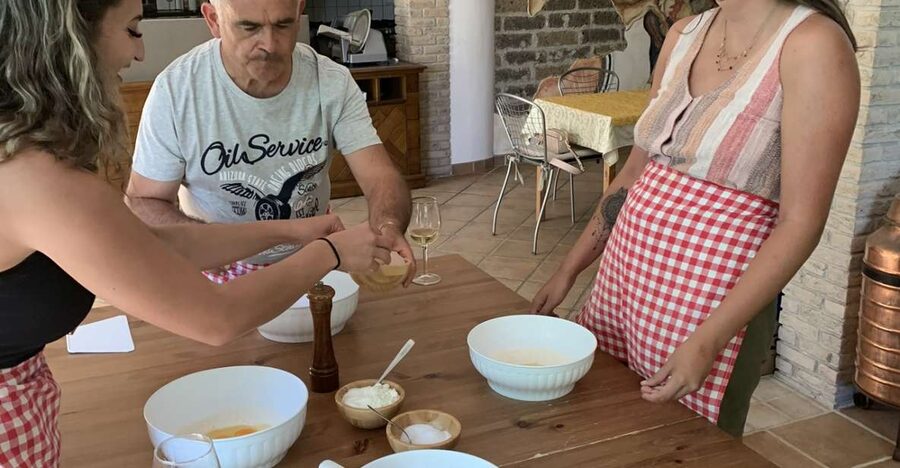
- Foraging on the actual farm in Agerola, not just a photo stop
- Herb-filled ravioli della Nonna and hand-shaped tagliatelle with your own hands
- Rosanna and Pasquale teach the pasta using family know-how, not a cookbook performance
- Homemade organic wine tasting plus a visit to their cellar
- Lemon tiramisù made with lemons from their trees (coffee option available)
Where you’ll cook: La Vigna degli Dei in Agerola above the Amalfi Coast
This experience is based at La Vigna degli Dei, the family home in Agerola, up above the Amalfi Coast. You start with a slow arrival into their world: farmhouse, gardens, and the view over the coast that makes you understand why people stay put here. One reviewer noted there’s a short walk from the home to a viewpoint over the Amalfi coastline, which sounds like the perfect pre-cooking warm-up.
Agerola itself is one of those places where you get a calmer pace than the busy shoreline. And that matters here. This isn’t a quick “class and run” setting; the day is built around wandering the property first, then cooking, then eating without rushing.
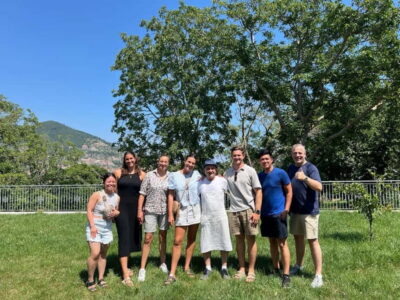
Also, the group stays small. It’s capped at 10 participants, which means you’re not standing around while someone else does the work.
You can also read our reviews of more tours and experiences in Agerola.
First stop: the farmhouse walk and herb foraging with the family
The morning-or-evening energy you’re looking for is simple: meet the family’s home, see how they live, then step into the garden and learn what grows there. Before anyone touches dough, you’ll walk through the farmhouse and gardens, meet the animals, and soak in the views.
Then the foraging starts. Pasquale’s family uses herb flavors tied to the grandmother’s ravioli recipe, and that’s the point of this part of the experience. You’re not just picking leaves—you’re learning to recognize herbs, understand how they’re used, and why they show up in the filling.
This matters because it gives your cooking a reason. When you later taste the herb-forward filling, you’ll know what that taste came from. Instead of an ingredient list, you get a story you can actually taste.
Making pasta with Rosanna and Pasquale: ravioli della Nonna and tagliatelle by hand
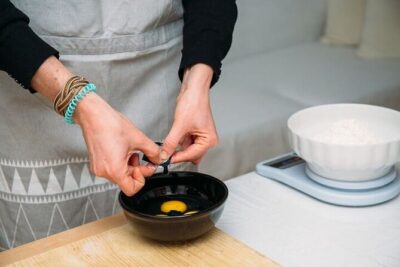
Back in the kitchen, Rosanna and Pasquale guide you through fresh pasta from scratch. Expect real technique, but also a relaxed pace. Fresh pasta is all about feel—how the dough behaves, how you shape, and how you adjust—so the “by hand” focus is a big deal.
Ravioli della Nonna: herb-based family filling
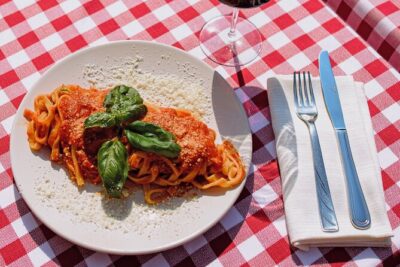
You’ll make ravioli della Nonna, and the filling follows the family’s special herb-based recipe. Since the herbs are part of what you handled earlier, the ravioli dough and filling connection feels immediate. You’ll shape the ravioli as a group activity, with support as you go.
If you’ve never made ravioli before, you’ll still leave with a tray of food you made. And if you’ve made pasta before, you’ll appreciate the focus on family methods rather than just speed.
Tagliatelle: shaped with care
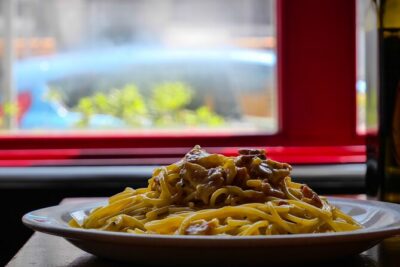
Next comes tagliatelle, also made by hand. This is the part where you see how Italian cooking can be both simple and exacting. Tagliatelle is less about stuffing and more about rolling and cutting, then shaping with patience.
The overall vibe here is practical. You’re learning what to do, not watching someone else do it while you take mental notes.
Family recipes, not cookbook theatre
One of the biggest pluses is that these instructions are described as passed down through generations—more about gestures, taste, and memory than a printed recipe. That shows in the way the day is structured. You don’t just get a final dish; you get the logic behind why the filling is the way it is, and why certain herbs matter.
Wine time: homemade organic wine and a quiet cellar visit
While the pasta rests, Pasquale pours homemade organic wine. This is not a generic tasting with store-bought bottles. The wine comes from grapes grown on their land, which makes the whole herb-to-wine story feel linked rather than random.
Then you’ll visit the cellar where the wine is produced and stored. Cellar visits are usually a quick peek at racks and labels, but here it’s tied to the family’s pace of life. If you like food experiences that explain where things come from, this stop is one of the best parts of the day.
Even if you don’t consider yourself a wine person, the tasting still helps you understand the region beyond the Amalfi postcard. It’s a reminder that Campania isn’t only about lemons and seafood—it’s also about what people grow and ferment on their own land.
Lemon tiramisù finishing move (plus the coffee option)
You’ll end with dessert: lemon tiramisù guided by Rosanna. The lemons come from their trees, and the recipe uses their homemade limoncello. The result is described as fresh and light, which makes sense after pasta and wine.
Here’s the catch to keep in mind: one of the people in the provided reviews said the tiramisù portion felt more like watching than practicing. So if you’re the type who wants to do every step, set expectations accordingly. You’ll still learn and you’ll still get dessert made from family ingredients—but the level of hands-on may vary.
Either way, the big payoff is that the flavor feels grounded in their property, not just in a shop-bought bottle of lemon liqueur. When the dessert tastes like lemons from trees you walked past earlier, you feel like you’re closing the loop.
The pacing of a 2.5-hour class: how the timing works in practice
This is a 2.5-hour experience, and it runs like a tight family rhythm. You’re not there for a long day of chopping and waiting around; you’re there for a sequence you can actually remember.
A typical flow goes like this:
- Start at the farmhouse and gardens, including animals and views
- Forage herbs together on the property
- Make fresh pasta: ravioli and tagliatelle
- Taste homemade wine and visit the cellar
- Prepare lemon (or coffee) tiramisù
- Eat the full meal you made
Because the group is limited to 10 people, you get enough attention during the pasta making. That said, pasta takes time, and tiramisù is its own pace. If your goal is to do the maximum hands-on steps possible, plan to be a bit flexible and enjoy learning as part show, part workshop.
Price and value: why $73 feels fair for what you actually get
At $73 per person, the price looks straightforward—until you look at what’s included. This isn’t just a cooking lesson where you leave hungry.
Your ticket covers:
- Herb foraging on the farm
- Hands-on pasta making with ingredients, tools, and equipment
- Homemade organic wine tasting
- Cellar visit
- Lemon tiramisù (or classic tiramisù)
- Full meal with everything you prepared
That’s why the value holds up. In many places, you’d pay separately for a workshop, then again for a meal, then again for wine, and you’d still miss the cellar connection. Here, the wine story and the food story are linked to the same property.
Also, the setting is part of the value. You’re not cooking in a community hall. You’re cooking in a real family farmhouse above the coast. For me, that’s the kind of detail that turns a class into a memory.
Who this experience suits best (and who should rethink it)
This is a strong pick if you want:
- A hands-on food experience with real regional ingredients
- A family-style atmosphere with Rosanna and Pasquale guiding you
- A mix of farm life (animals and gardens), cooking, and eating
It’s also a good match for people who enjoy learning by doing, even if they’re not confident in the kitchen. The group format and the small size help.
Who might prefer something else? If you’re only interested in pasta and want dessert to be fully hands-on step-by-step, the tiramisù part might feel a bit less active than you hoped. Also, if you want a quick, minimal sit-and-sip kind of activity, the pacing is more about food and conversation than speed.
Practical tips so you feel comfortable from start to finish
You’ll do a garden and farm walk as part of the experience. In summer, bring a hat. Wear comfortable shoes and comfortable clothing—something you can move around in while you forage and then stand at the kitchen station.
Language support is also a plus if you’re not fluent in Italian. The instructors work in Italian, German, and English, so you should be able to follow along.
If you need transport, note that pickup and drop-off aren’t included. The provider can offer it on request, but it costs extra.
Finally, if you’re relying on public transport, take timing seriously. One review flagged that an evening schedule can be tight. My advice: choose the earlier slot when you have the option, so you’re not rushing your way back after dinner.
Should you book this family ravioli and tiramisù experience?
If you want a real farm-to-table cooking moment above the Amalfi Coast, I think this is an easy yes. The mix is what makes it work: herb foraging on-site, hands-on ravioli and tagliatelle with Pasquale and Rosanna, plus homemade organic wine and a cellar visit, then lemon tiramisù made with lemons from their trees.
Book it if you like authentic, ingredient-led cooking and you’re happy to learn at a family pace. Just go in with the understanding that dessert learning may be more guided than fully hands-on, and dress for garden walking.
FAQ
Where does this experience take place?
It takes place in Campania, Italy, at the family farmhouse in Agerola above the Amalfi Coast (La Vigna degli Dei).
How long is the experience?
The duration is 2.5 hours.
How much does it cost?
The price is $73 per person.
What’s included in the meal and tasting?
You’ll make and eat handmade ravioli and tagliatelle, and you’ll also have lemon tiramisù (or classic tiramisù) and a tasting of homemade organic wine. A full meal with the dishes prepared during the experience is included.
Do you forage herbs during the activity?
Yes. You’ll forage fresh herbs on the farm, guided by the hosts.
What can I expect to learn how to make?
You’ll do hands-on pasta making for ravioli and tagliatelle.
Is pickup and drop-off included?
No. Pickup and drop-off are not included, but it may be offered on request for an additional cost.
What languages are available?
The instructors offer Italian, German, and English.
Is the experience wheelchair accessible?
Yes, it is wheelchair accessible.
Is free cancellation available?
You can cancel up to 24 hours in advance for a full refund. The booking also supports reserve now & pay later.
Should you book this tour or not?
If you want more than a standard cooking class—something tied to the farm, the herbs, the wine grapes, and the family’s recipes—this is a standout choice. I’d book it if you like hands-on food, don’t mind a family-paced schedule, and you’re excited by herb-filled ravioli and lemon tiramisù made with lemons from the property.