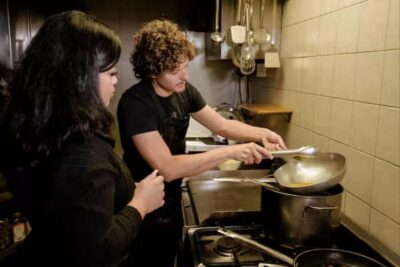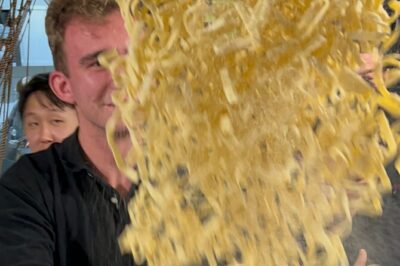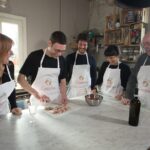
Pasta can be a contact sport. In Sanremo, Monica turns her apartment kitchen into a lively cooking class where you make tagliatelle, ravioli, and orecchiette or gnocchi by season, then head to the terrace for a meal and coffee. The whole thing has that feel of a family dinner that happens to come with great technique.
I love the hands-on setup: you get an apron, your own work space, and the ingredients to practice each step. I also like how Monica weaves in family stories, small historical links, and even practical Italian ingredient names as you go. One possible drawback: it’s a home-style experience, so if you’re expecting a formal, restaurant-like presentation, the vibe will be more casual than polished.
In This Review
- Key highlights that make this class a good use of your time
- Meeting in Sanremo: the simple start that sets the tone
- Entering Monica’s apartment kitchen: aprons, space, and grandma recipes
- The pasta lesson you’ll actually remember: tagliatelle, ravioli, and the seasonal choice
- Tagliatelle: long ribbons with an attitude
- Ravioli: filled pasta built for focus
- Gnocchi or orecchiette: texture lessons by season
- How dinner stays on time: sauce prep while you cook
- Terrace pasta tasting: family-style plates with sea-view energy
- What you’ll learn beyond pasta: technique, Italian names, and chef-style confidence
- Price and value in Sanremo: what $181.41 buys you
- Who this pasta class fits best (and who might want a different activity)
- Quick booking logic: when to go and how to plan your night
- Should you book Pasta & Basta in Sanremo?
- FAQ
- What pasta dishes will I learn to make?
- How long does the experience take?
- Is the tour offered in English?
- Where does the class start and where does it end?
- Is this a private tour?
- Can I cancel and get a refund?
Key highlights that make this class a good use of your time
- You make 3 pasta types: tagliatelle, ravioli, plus gnocchi or orecchiette depending on the season
- Each dish gets its own sauce (like pesto, tomato sugo, and burro e salvia)
- Monica teaches technique and the why, with grandma-style receipts and stories
- You eat what you make on the terrace, in an al fresco family-style setting
- English instruction with a private group experience at an apartment kitchen
Meeting in Sanremo: the simple start that sets the tone
Your experience begins at Strada Privata Vallarino (address: Str. Privata Vallarino, 18038 Sanremo IM, Italy). The activity ends back at the same meeting point, so you’re not left playing navigation games afterward.
This matters more than it sounds. A cooking class works best when you’re not stressed. With a clear start point and the promise of returning to it, you can show up, get your apron, and focus on learning instead of logistics.
Also, this is an English offered experience. Confirmation happens within 48 hours of booking (subject to availability), and it’s a private activity, meaning only your group participates. The booking pace is strong too. On average, people book about 71 days in advance, which usually means you should lock in dates early if Sanremo is part of your plan.
You can also read our reviews of more tours and experiences in Sanremo.
Entering Monica’s apartment kitchen: aprons, space, and grandma recipes
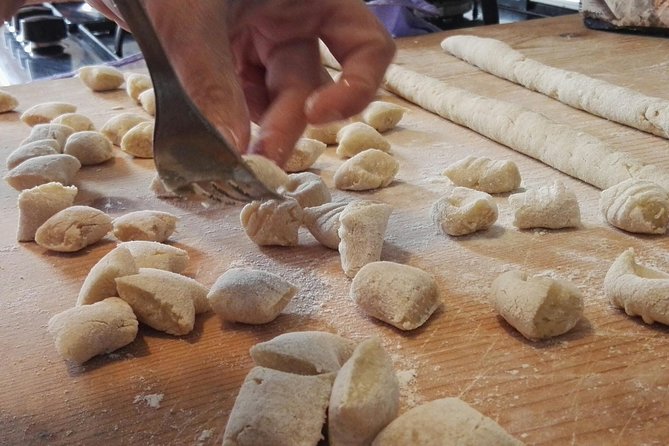
You’re welcomed at the apartment, then you go straight into the kitchen. Monica introduces the program and the “grandma” traditional receipts you’ll cook together. From the start, the class is interactive, not show-and-tell.
What I really like about the setup is that everyone has a role with real hands-on work. Each person has their own space and ingredients to practice what Monica explains. That keeps the pace moving and makes the lesson actually stick in your head.
You’ll also hear origins and historical links connected to different preparation methods. That doesn’t mean you get a lecture. Monica uses stories to make the technique make sense. In at least one memorable moment, you learn with humor, plus practical cooking ideas you can repeat later.
One more detail: Diego is part of the behind-the-scenes kitchen teamwork. The flow is designed so that while you’re busy shaping and working on your pasta, he prepares other sauces so dinner lands hot and ready.
The pasta lesson you’ll actually remember: tagliatelle, ravioli, and the seasonal choice
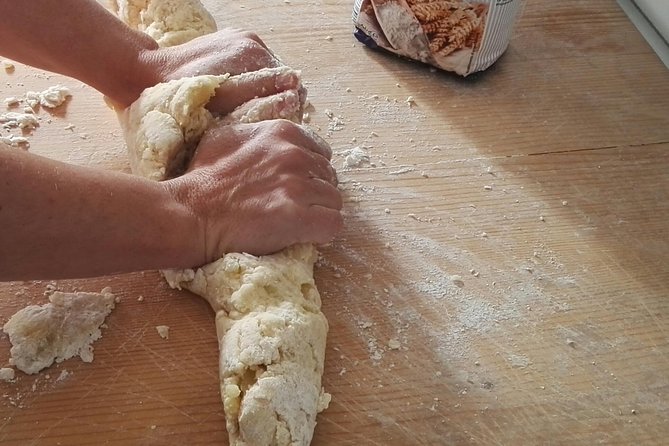
You’ll learn to make three classic, hand-made pasta specialties. The menu you’ll eat includes:
- Tagliatelle al pesto
- Ravioli burro e salvia
- Orecchiette al sugo di pomodoro
And the third pasta you make can be gnocchi or orecchiette depending on the season, so expect that seasonal swap.
Tagliatelle: long ribbons with an attitude
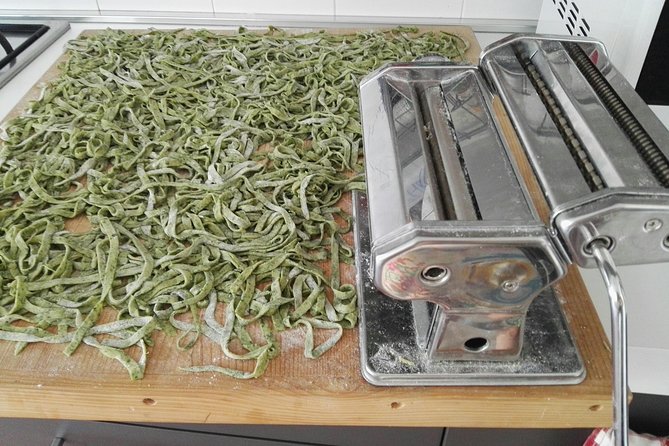
Tagliatelle is the kind of pasta where technique shows. Even without getting overly technical, you’ll learn how to work the dough and form the pasta so it holds up when paired with sauce.
For you, the big value is sauce pairing. Tagliatelle al pesto is simple on paper, but it rewards good pasta texture. Monica’s class is built to give you that connection between pasta shape and sauce choice, not just the steps in isolation.
Ravioli: filled pasta built for focus
Ravioli asks for patience and clean work. You’ll learn how the dough and filling process come together, then you’ll eat ravioli with burro e salvia—butter and sage is one of those sauces that makes the pasta taste feel extra important.
If you’ve ever been tempted to buy fresh ravioli instead of making it, this portion is where the class earns its keep. The goal isn’t perfection on the first try. The goal is learning enough technique to know what matters, then having a reliable path to recreate it later.
Gnocchi or orecchiette: texture lessons by season
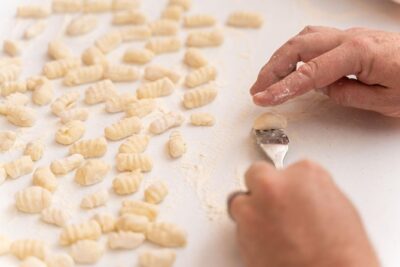
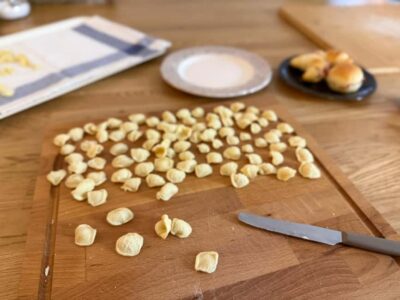
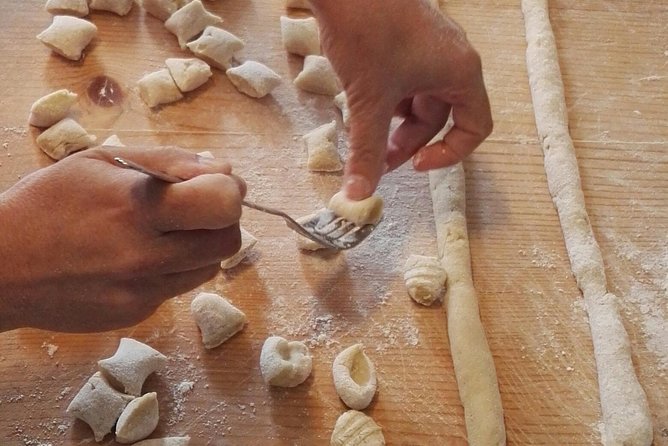
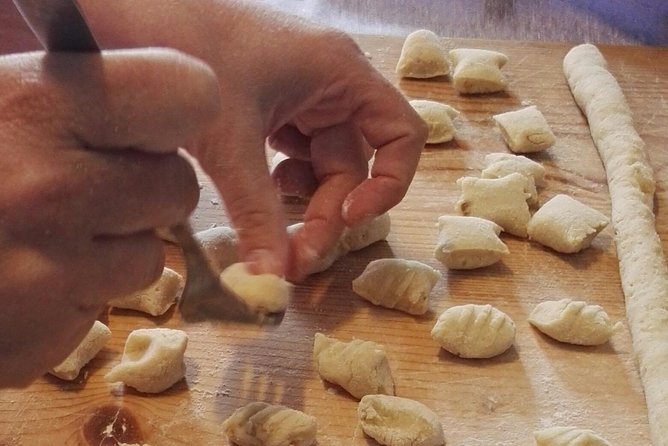
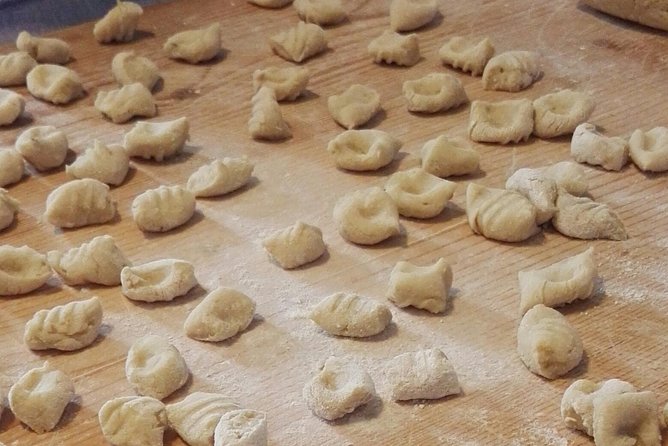
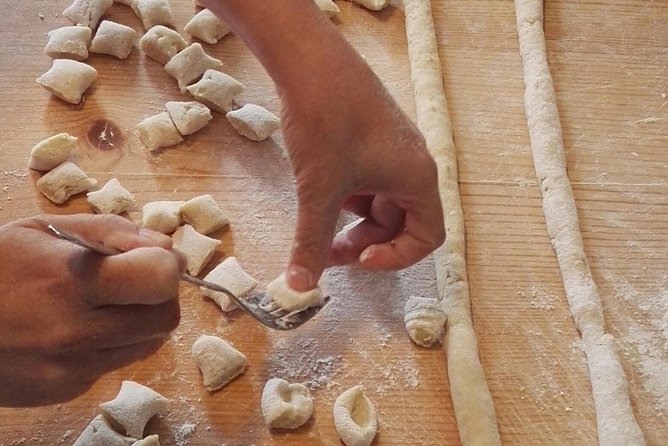
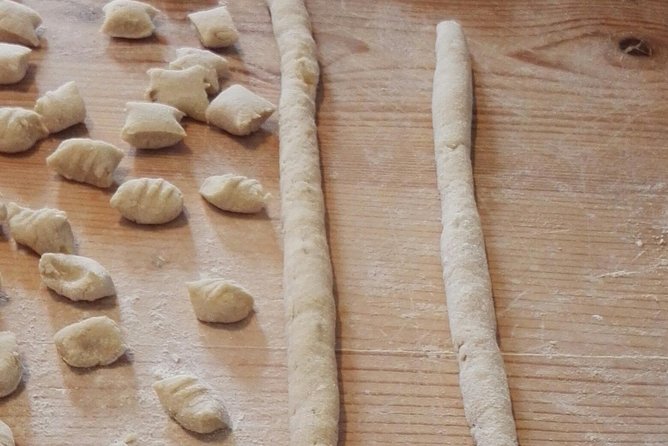
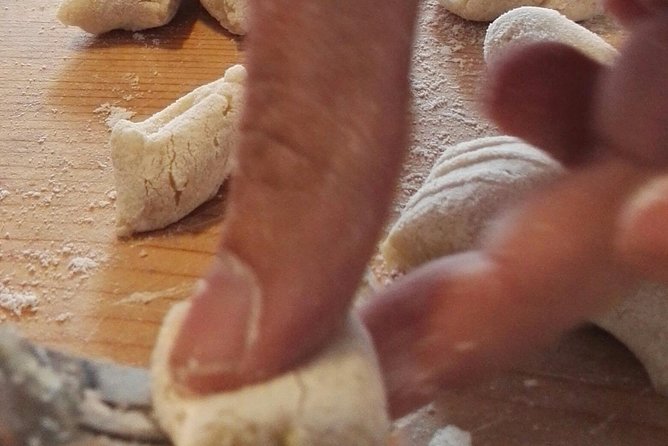
This is the seasonal wildcard. Depending on when you go, you’ll make gnocchi or orecchiette. Either way, the lesson teaches you how different shapes behave.
- If it’s orecchiette, your eating highlight is sugo di pomodoro (tomato sauce). Orecchiette’s little shape is made for grabbing sauce.
- If it’s gnocchi, you’ll get a different texture lesson—more soft, more comfort-food, and very dependent on how you handle the dough.
Monica also includes Italian names for ingredients as you cook. That sounds small, but it’s a real advantage if you want to cook again at home or understand what you’re ordering when you travel.
How dinner stays on time: sauce prep while you cook
A cooking class can drag if everything depends on one timeline. Here, Diego’s role helps keep the schedule moving smoothly.
During your class, you’ll be working through the pasta steps while the other sauces get handled so dinner is ready when you move to the terrace. You end up with something important: you get to taste the finished dishes soon after cooking, not hours later when everything cools off.
For practical travelers, that pacing matters. You’re paying for instruction and an actual meal. The setup is designed so you don’t lose time to kitchen chaos.
Terrace pasta tasting: family-style plates with sea-view energy
After cooking, you’ll move to the terrace. This is where the class shifts from workshop to meal.
You share the plates you just cooked, in a convivial family-style way. Expect a relaxed pace. You’ll finish with real Italian coffee, plus more stories and local tips from Monica.
And there’s a visual payoff too. Multiple accounts mention a view of the sea from the terrace area. If you’re the type who likes to eat with your eyes open, this is the part you’ll remember when you’re back home and trying to match the vibe.
The best part is that the meal is tied to the lesson. You’re not just eating random Italian food. You’re tasting your own work while the technique is still fresh in your brain.
What you’ll learn beyond pasta: technique, Italian names, and chef-style confidence
This class is not only about making three types of pasta. It’s also about building a sense of what to pay attention to.
You’ll learn tricks to make a dish feel like art—Monica frames it as how you become the kind of person who can invite friends over and actually cook Italian pasta with confidence. The historical links and family stories give context so you understand why certain methods persist.
The class also helps you speak the language of ingredients. You’ll pick up Italian names for common items used in pasta and sauces. That’s useful in two ways:
1) It helps you follow recipes later without translating every word.
2) It helps when you’re buying ingredients in Italy and want to ask smart questions.
If you’re cooking at home already, this will feel like a shortcut to better results. If you’re starting from scratch, the hands-on pacing helps you learn in small steps rather than trying to learn everything from a single YouTube video.
Price and value in Sanremo: what $181.41 buys you
At $181.41 per person, this is not a casual snack-and-learn. But it does include a full evening of instruction plus a meal.
Here’s what you’re paying for, based on what you actually do:
- You learn to make three handmade pasta types
- Each pasta is paired with its corresponding sauce (including pesto, tomato sugo, and burro e salvia)
- You eat an al fresco family-style dinner or lunch on the terrace
- You get Italian coffee afterward
- You get instruction in English
- It’s a private activity, so you’re not squeezed into a crowd
Also, the booking trend suggests demand is high. Limited availability tends to keep classes small and personal, and that’s exactly what the experience seems built for.
Is it cheaper than buying fresh pasta and watching a cooking video? Sure. But you’re buying technique you can repeat, plus the social part: cooking together, learning stories, and then eating the results immediately. For many people, that’s the best use of an evening in Sanremo.
If you’re working on a tight schedule, remember the total time is about 2 hours 30 minutes. Plan your day so you’re hungry and not rushing.
Who this pasta class fits best (and who might want a different activity)
This works best if you want more than a food tour. You want to touch the dough, ask questions, and leave with real skills.
It also seems like a good family option. One group included a couple and two teenage daughters, and the whole setup was described as engaging for everyone. For families, an apartment kitchen can be easier than a large commercial venue because the experience feels like a shared activity, not a production line.
It may be less ideal if you dislike home-kitchen settings or prefer highly formal dining. The class is living-room style in atmosphere, and you eat in a simple, relaxed way rather than a fine-dining experience. Think of it as a warm, hands-on dinner with technique.
One practical note: service animals are allowed, and the meeting point is near public transportation.
Quick booking logic: when to go and how to plan your night
Since confirmation is within 48 hours and availability can affect timing, I’d plan to book as soon as you have your Sanremo dates. The average booking window of about 71 days suggests popular slots can fill.
For your schedule, give yourself buffer time before the class. Once you arrive, the evening runs as a full sequence: welcome → cooking instruction → terrace meal → coffee and stories.
And if you’re trying to be flexible, note that there is free cancellation. You can cancel up to 24 hours before the experience for a full refund.
Should you book Pasta & Basta in Sanremo?
I’d book it if you want a hands-on pasta night with real technique and an actual meal built around what you make. Monica’s teaching style gets repeatedly singled out for warmth, humor, and family stories, and the class structure makes it feel personal even though you’re learning three different pasta types.
Skip it only if you’re looking for a formal, restaurant-style experience or if you want a passive activity where you just watch. This is active. Your hands will be busy. Your stomach will be happy.
If your plan includes Sanremo and you care about Italian food beyond stereotypes, this is one of the most direct ways to learn it—then eat it—right where it comes from.
FAQ
What pasta dishes will I learn to make?
You’ll learn to make tagliatelle, ravioli, and either gnocchi or orecchiette depending on the season. The meal includes tagliatelle al pesto, ravioli with burro e salvia, and orecchiette with sugo di pomodoro.
How long does the experience take?
The cooking class and meal take about 2 hours 30 minutes.
Is the tour offered in English?
Yes. Instruction is offered in English.
Where does the class start and where does it end?
The start is Strada Privata Vallarino, Str. Privata Vallarino, 18038 Sanremo IM, Italy. The activity ends back at the meeting point.
Is this a private tour?
Yes. It’s a private activity, and only your group participates.
Can I cancel and get a refund?
You can cancel for a full refund up to 24 hours in advance of the experience’s start time. If you cancel less than 24 hours before, the amount paid is not refunded.