REVIEW · STRATFORD UPON AVON
Pasta Making Experience – Cooking Class
Book on Viator →Bookable on Viator
Handmade pasta feels like a small time machine. In this 3-hour Dough House class in Stratford-upon-Avon, I love making ravioli from scratch and then eating it with wine under a floral roof in a small group. The only catch: if you have any food allergies or restrictions, you need to advise in advance so the class can work for you.
What makes it more fun than a basic pasta workshop is the mix of styles and flavors. You start with a dessert that’s meant to taste exactly like tiramisu, then you move on to tomato-and-garlic sauce and hands-on pasta dough, rolling, cutting, and filling. And because the class includes both traditional Italian vegetarian ravioli and baked sourdough Turkish ravioli, you leave with more than one technique to take home.
You can choose a midday or dinnertime class, and it runs from 9 Ely St in the center of town, close to public transport. With a maximum of 7 travelers, it’s the kind of setting where you get real coaching instead of watching and hoping.
In This Review
- Key Highlights You’ll Care About
- Stratford-upon-Avon’s Dough House: Small Group, Big Hands-On Energy
- Italian and Turkish Pasta Techniques, Side by Side
- From Tiramisu Pudding to Tomato-Garlic Sauce
- Ravioli, Tortellini, Garganelli, and Fillings You Can Recreate
- The Meal Part: Wine, Table Setting, and the Joy of Eating What You Made
- Price of $189.98: What Makes This Feel Worth It
- Who This Pasta Class Suits Best (And Who Might Skip It)
- Should You Book This Pasta Making Experience?
- FAQ
- Where is the class meeting point?
- How long does the pasta making experience last?
- Are there different class times?
- What language is the class offered in?
- Is the class group size limited?
- What is the cancellation policy?
Key Highlights You’ll Care About
- Italian and Turkish ravioli together: learn two food cultures in one session
- Small-group, hands-on teaching in a cozy kitchen at The Dough House
- Tiramisu-style dessert first: you get the sweet payoff before the dough work
- From dough to filling to finished pasta: rolling, cutting, filling, then eating
- A shared table with wine: your work turns into dinner, not just a snack
Stratford-upon-Avon’s Dough House: Small Group, Big Hands-On Energy
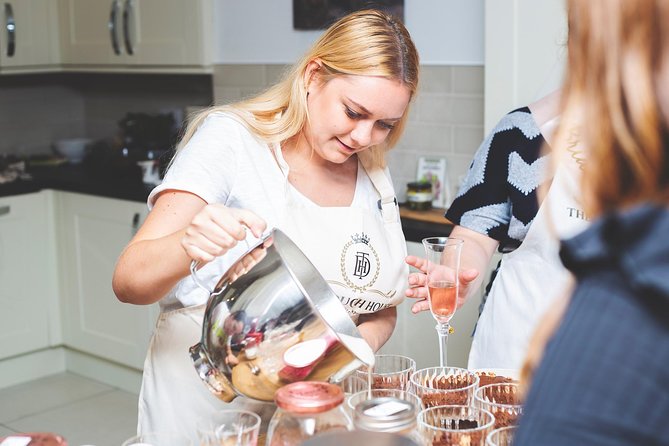
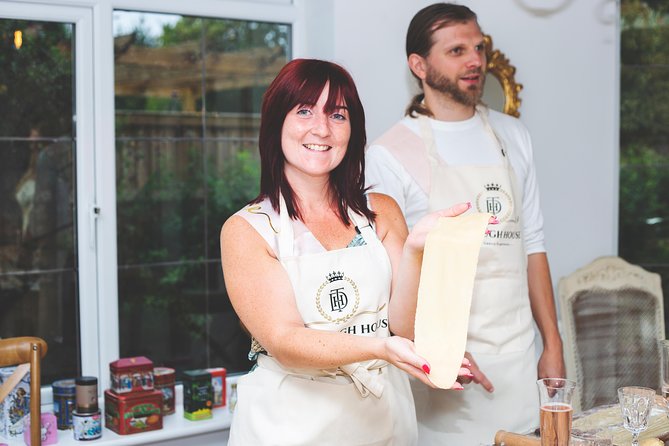
If you’re picturing a stuffy cooking class where you only watch, this isn’t that. The whole setup feels like a real kitchen experience in Stratford-upon-Avon, run in a way that keeps the group small (up to 7 people). That matters, because pasta-making isn’t a one-size-fits-all skill. Thickness, dough texture, and how you handle filling all take practice, and you’ll want a teacher close by.
You meet at 9 Ely St (CV37 6LW). That’s a helpful detail because it means you’re not scrambling for a hard-to-find industrial unit or a car-only location. It’s also near public transport, which makes it easier to pair with other Stratford plans—like walking to sights before or after class.
You can also pick either a midday or dinnertime slot. That’s not a minor choice. Pasta dough timing is part of the fun, so having the schedule fit your hunger level and energy matters. If you’re booking as a couple or for a celebration, the dinnertime option also naturally feels like a planned meal out—except you made it.
One more practical note: it’s offered in English, and you’ll be able to ask questions as you go. Based on the way it’s run, the instructors aim for a calm pace with clear direction, so you’re not left guessing.
Italian and Turkish Pasta Techniques, Side by Side
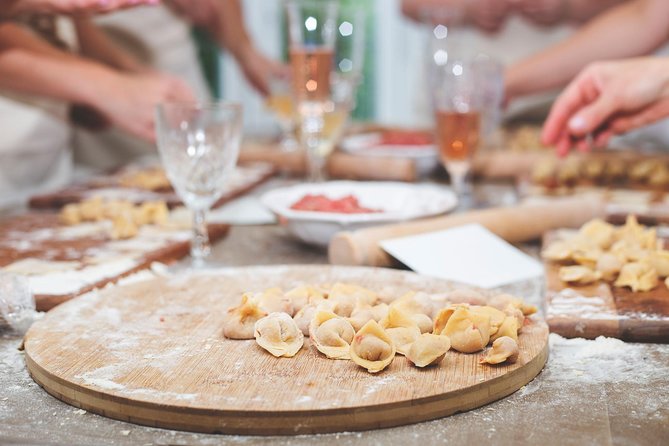
This class is built around a clever idea: learning how pasta changes when the culture and filling change. You make traditional Italian ravioli with an Italian vegetarian filling, then you also make baked sourdough Turkish ravioli with a Turkish-style filling made with minced meat, onion, fresh herbs, and spices.
That matters because ravioli isn’t just one thing. Even if the dough feels similar at first, the filling strategy affects your portioning, how you seal the edges, and what flavors you’re balancing. You’re not only learning one recipe—you’re learning how to think like a cook in two different traditions.
The class also plays with technique. You’ll work through dough-making, rolling, cutting, and filling, not just assemble pre-made components. And the inclusion of Turkish baked sourdough ravioli is a specific twist. You’re not limited to a single style of pasta dough or cooking method, which makes the experience feel more like skill-building than a one-off food lesson.
And yes, it’s genuinely geared toward people who love food. It’s especially a smart choice if you can’t decide between Italian and something less expected. You get both on the same table.
If you’re a die-hard Italian-food fan, the Italian vegetarian ravioli and tomato-and-garlic sauce will feel familiar in the best way. If you like trying new flavors, the Turkish filling and baked sourdough approach give you something different to take home—not just the same pasta with a new label.
From Tiramisu Pudding to Tomato-Garlic Sauce
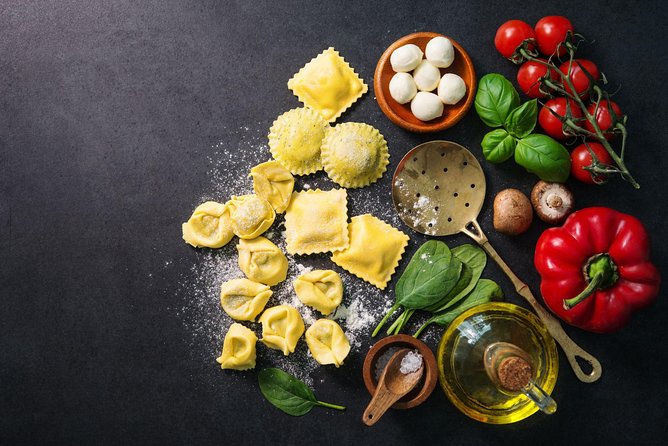
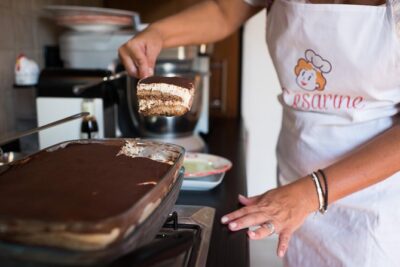
Most pasta classes start with dough and end with dinner. Here, you flip the order. You begin with dessert: a tiramisu pudding designed to taste exactly like tiramisu. That sets the mood fast. It’s also a nice psychological trick. You’re eating something first, so the rest of the work feels like cooking, not stress.
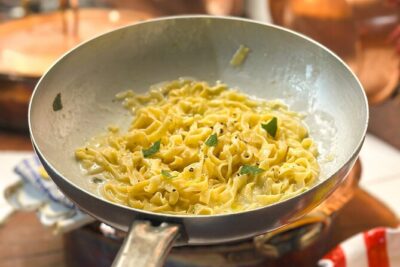
After the dessert, you move into a fresh tomato and garlic sauce. This is the part that ties the hands-on pasta-making to real flavor outcomes. You’re not just learning technique in a vacuum. You’ll understand how sauce works with fresh pasta—especially with ravioli, where the filling and sauce both matter.
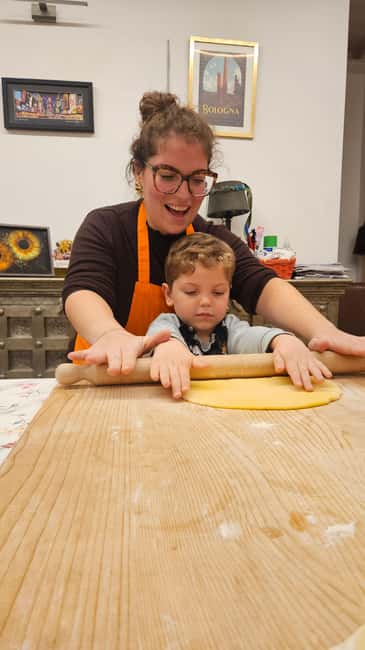
Then it’s time for the core skills: making the pasta dough, rolling it out, cutting it, and filling it. The best part of pasta-making classes is always the moment you realize you can control texture. Roll it too thick and it feels heavy; too thin and it becomes tricky. You get guidance while you find that sweet spot.
The class also includes more than one type of pasta in the meal. The menu may include ravioli, tortellini, and garganelli, plus Turkish pasta options. That gives you a chance to sample more than one shape, and it helps you understand how different pasta forms can change the eating experience even when the flavors are related.
A small caution: because you’re doing dessert, sauce, dough, and then cooking/eating within about 3 hours, you’ll want to show up ready to work. This isn’t a leisurely cooking tour with long breaks.
Ravioli, Tortellini, Garganelli, and Fillings You Can Recreate
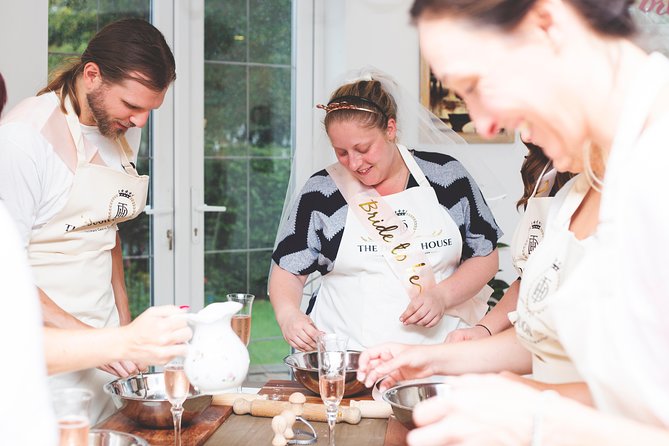
This is where you get the real value: you’re taught to make ravioli from scratch, step by step. That includes:
- making the dough
- rolling it
- cutting it
- filling it
- and getting it ready to be cooked and eaten
Then you build on that base with additional pasta shapes and fillings from both traditions. The Italian vegetarian filling is designed to pair with the tomato-and-garlic sauce. The Turkish filling leans into minced meat, onion, herbs, and spices, and it shows how savory filling can completely shift what you notice in each bite.
What I like about the approach is the focus on technique rather than just memorizing a recipe. If you know how to handle dough and sealing, you can later tweak fillings for your preferences at home. And since the class includes both vegetarian Italian ravioli and meat-forward Turkish ravioli, you get a broader flavor map for future cooking.
Also, the class is set up for small-group learning. That means you’re more likely to get personalized feedback—like when something needs more time, or when you’re rolling a bit too thick or too thin. In practical terms, it boosts your success rate. In less practical terms, it makes you feel confident walking out.
One more detail that helps you picture the outcome: after the cooking, you sit down to eat the pasta you made. It’s not a demo followed by store-bought replacement. The payoff is immediate.
The Meal Part: Wine, Table Setting, and the Joy of Eating What You Made
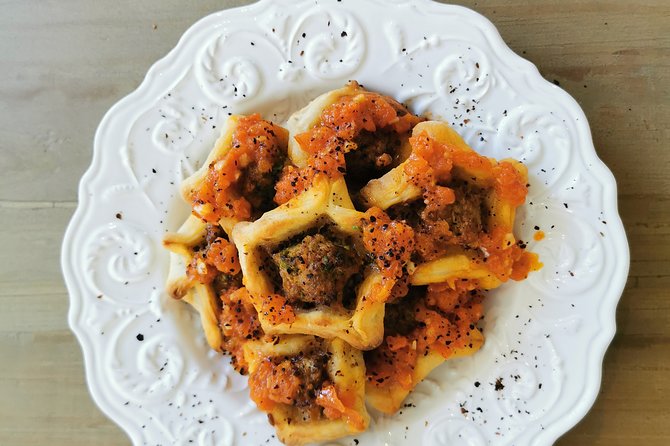
Here’s one reason people love this experience: you don’t just cook—you eat together, and you do it in a warm, social way. The class includes a shared meal with salad as a starter, tomato sauce with the pasta, and wine with your meal.
Then comes the fun part that turns it from lesson to experience: setting up the table together, opening the wine bottle, and chatting at dinner under a beautiful floral roof. That detail might sound like atmosphere marketing, but it’s actually important. Food tastes better when you’re relaxed enough to talk, taste slowly, and notice differences.
In the dining moment, you also get more than one kind of refreshment. Some classes include homemade lemonade or a glass of juice, and coffee may be part of the end-of-meal flow. I like that because it rounds out the experience: you’re not just stuck with wine and then sent on your way.
Dessert doesn’t stop at tiramisu pudding either. The dessert is the class’s sweet signature, and it’s framed like a real course, not a token bite. And because you start with it, you carry that sweetness memory into the savory work you’re doing in between. It’s a smart pacing choice.
If you like your cooking classes with a social glow—celebrations, birthdays, even group fun—this is set up for that. You’ll be in a small room with a team attitude, not a quiet classroom.
Price of $189.98: What Makes This Feel Worth It
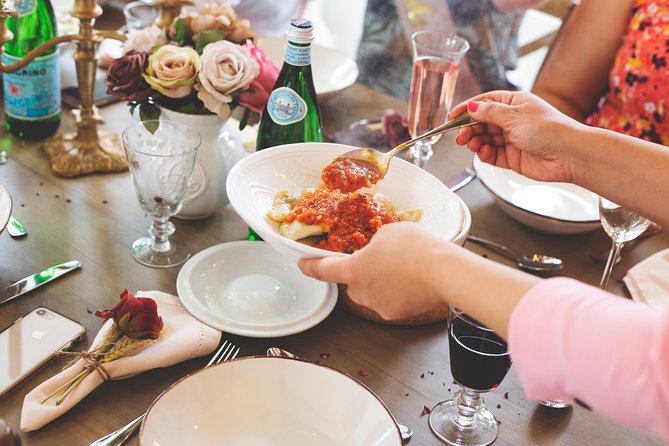
At $189.98 per person for about 3 hours, this isn’t a cheap activity. But it also isn’t just paying for ingredients. You’re paying for:
- hands-on instruction (small group, up to 7)
- teaching multiple pasta styles and techniques (Italian and Turkish)
- dough work plus sauces plus cooking and eating
- and a meal that includes wine, salad, pasta, and a tiramisu-style pudding
For some people, the value is the food education. For others, it’s the end result: you get a meal you made yourself, served in a welcoming setting. Either way, it changes what the price covers. You’re not paying to watch someone else cook. You’re paying to leave with skills and a full dinner.
One practical factor: since it’s booked around 23 days in advance on average, it can sell out when schedules line up. If pasta is your priority in Stratford, I’d treat it as something to reserve sooner rather than later.
Also, you should see the price as a “small group dinner with lessons” more than a quick workshop. If you want a fast snack-making class, this isn’t it. But if you want a real skill-based cooking experience that ends with you eating what you cooked, the cost starts to make sense.
If you do decide last-minute, keep your expectations realistic. Limited group size can mean limited availability.
Who This Pasta Class Suits Best (And Who Might Skip It)
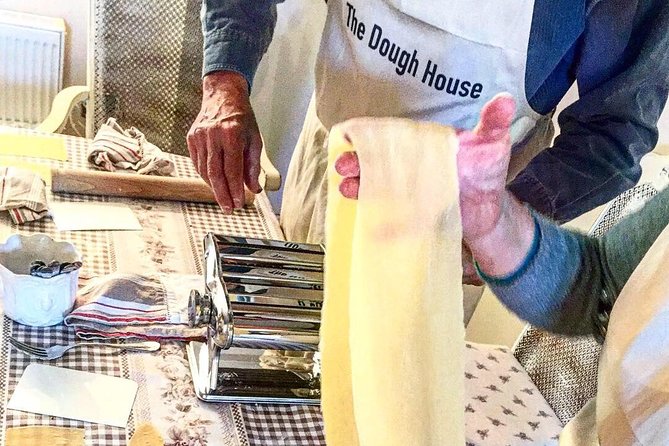
This workshop is a great fit for:
- couples and friends looking for a hands-on date-night style activity
- Italian food lovers who also enjoy twists
- people who like learning technique they can repeat at home
- celebration groups, since the table meal format works well for birthdays and other occasions
It can also be family-friendly in practice. One example includes a parent cooking with a 9-year-old who was able to participate and enjoy the process. That said, the class involves dough handling and structured steps, so you’ll want to use your best judgment based on your child’s patience.
You might skip it if:
- you’re not comfortable cooking actively for the full 3 hours
- you have restrictions that need special handling and you haven’t messaged in advance
- you prefer casual eating over guided skill-building
And because allergies or restrictions must be advised in advance, it’s worth planning your message clearly. Tell them what you can’t eat, not just general preferences. The workshop is set up for feeding people well, but it needs your details to do it safely.
One more note: the experience is in English, so it’s best if that works for you and your group.
Should You Book This Pasta Making Experience?
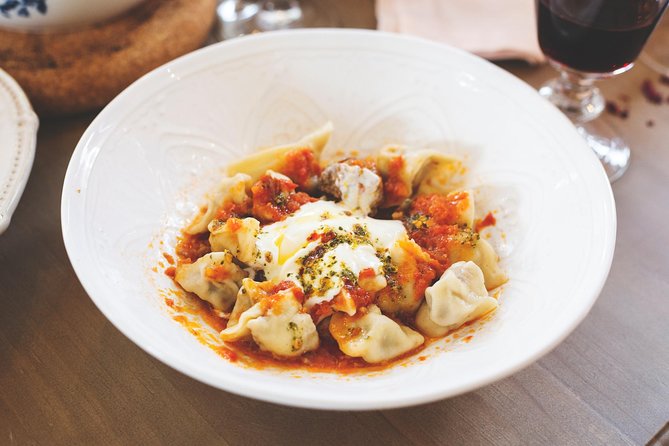
If you want a Stratford experience that feels like more than another guided walk, I’d book it. The mix of Italian vegetarian ravioli and Turkish baked sourdough ravioli, plus the tiramisu-style pudding start and the shared wine dinner finish, makes it memorable in a practical way. You’ll leave with technique, not just a full stomach.
I’d especially recommend it if you’re traveling with someone who loves food and wants to do something that’s both hands-on and delicious right away. The small group size makes the teaching feel personal, and the dinner format turns the class into an actual evening plan.
Before you commit, do two quick checks: confirm you can enjoy active cooking for about 3 hours, and message about any allergies or dietary restrictions right away. If those boxes are checked, this is the kind of class you’ll talk about long after you’ve returned home.
FAQ
Where is the class meeting point?
It meets at 9 Ely St, Stratford-upon-Avon CV37 6LW, UK, and ends back at the meeting point.
How long does the pasta making experience last?
The class runs for about 3 hours.
Are there different class times?
Yes. You can choose between a midday class or a dinnertime class to suit your schedule.
What language is the class offered in?
It’s offered in English.
Is the class group size limited?
Yes. The experience has a maximum of 7 travelers.
What is the cancellation policy?
Free cancellation is available up to 24 hours in advance for a full refund. If you cancel less than 24 hours before the start time, the amount paid is not refunded.