Pasta in Trastevere beats any cooking demo. In this 3-hour class, you’ll learn to make fettuccine and ravioli from scratch with a professional chef, starting with an Italian aperitivo and ending with wine and homemade gelato. It’s the kind of hands-on Rome experience that turns dinner into a skill you can repeat at home.
One thing to plan around: this experience isn’t suitable for guests with mobility impairments, wheelchairs, or strollers.
In This Review
- Key things to know before you go
- A Trastevere kitchen where Rome feels practical
- The aperitivo moment: Prosecco and Roman starters
- Making fettuccine and ravioli: hands-on pasta you can actually repeat
- Roman sauce strategy: classic flavors, market-driven choices
- The meal part: eat what you made with wine
- Homemade gelato: the sweet win at the end
- Private vs shared: choose the vibe you want
- Price and value: what $66.84 gets you in real life
- Who this class fits best (and who should skip)
- Timing tips for a smoother 3 hours
- Where it happens: meeting point in central Rome
- Should you book this Rome pasta-making class?
- FAQ
- How long is the Rome pasta making class?
- What’s included in the class price?
- Do I make pasta myself or watch?
- Is the class in English?
- Is it private or shared?
- Where do we meet?
- Is pickup and drop-off provided?
- Is it suitable for celiacs?
- Is this class wheelchair accessible?
- How far in advance can I cancel for a refund?
Key things to know before you go
- Aperitivo first, then pasta: Prosecco and cured meats and cheese set the tone before you roll dough.
- Two dishes, real technique: You’ll make fettuccine and ravioli, not just watch.
- Roman sauces chosen by the market: Expect classic options like amatriciana, puttanesca, gricia, or cacio e pepe.
- Wine at the table, not just in the intro: You sit down to eat your work with wine.
- Gelato to close: The finish is homemade gelato made by the chef.
- English instruction with a real-chef feel: The class is led in English and designed for Q&A.
A Trastevere kitchen where Rome feels practical
Rome can feel like a maze if you only do sightseeing. This class is the opposite. It’s built around one thing you can control: dough, sauce, timing. And once you learn what the chef is doing and why, you’ll understand Roman cooking far better than after any lecture.
I like that the experience stays hands-on from the first minute. You’re not just learning recipes; you’re learning rhythm—when to knead, when to rest, how to shape, and how to match sauce to pasta. That’s the value. Anyone can follow steps. This helps you build instincts.
The aperitivo moment: Prosecco and Roman starters
You meet in Trastevere at Piazza di San Giovanni della Malva, in the square in front of the San Giovanni della Malva church. Arrive about 15 minutes early so you can spot your host holding a red bag or a Devour Tours sign.
Then it’s straight into the vibe. You’ll be greeted with prosecco and an aperitivo plate of cured meats and cheese. It sounds simple, but it matters. In Italy, you don’t rush to the main event. You loosen up, chat, and start tasting the kinds of flavors you’ll see later in Roman cooking—salt, fat, and cured depth.
If you’re doing the shared option, this is also the moment where introductions happen. If you booked private, you still get the same warm start, just with a smaller group feel.
Making fettuccine and ravioli: hands-on pasta you can actually repeat
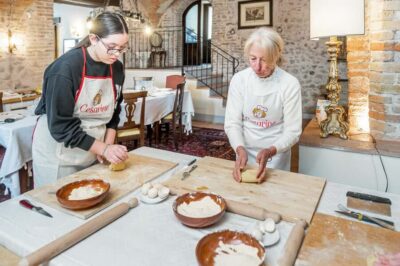
The core of the class is learning two pasta types from scratch: fettuccine and ravioli. That’s a great pairing for beginners because you get both a rolled pasta skill and a filled-pasta skill.
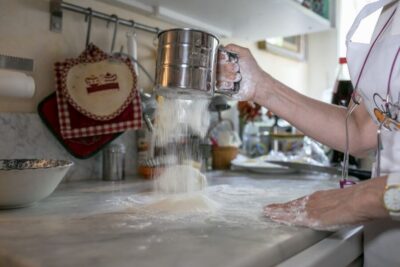
You’ll make dough, then shape it. The chef walks you through each move step by step. In many sessions, the instruction style is very “show it, then you do it.” If you’re rusty in the kitchen, you’re still set up to succeed because the chef breaks things into small, repeatable tasks.
Ravioli is the part people remember later. It’s more fiddly than fettuccine, and it forces you to slow down. The payoff is huge: when you finally cook them and eat them, you can taste the difference between pasta that was made quickly and pasta that was made carefully.
Roman sauce strategy: classic flavors, market-driven choices
Here’s where Rome cooking gets interesting: your sauces aren’t random. The chef chooses based on what’s available and seasonal at local markets. You’ll work with Roman favorites such as:
- amatriciana
- puttanesca
- gricia
- cacio e pepe
What you’re really learning isn’t just a single recipe. You’re learning how Roman cooks think about flavor balance. For example, sauces built around guanciale or cured components bring salt and richness that you need to handle with confidence. Sauces built around pepper (like cacio e pepe) depend on timing and technique so the sauce turns silky instead of clumpy.
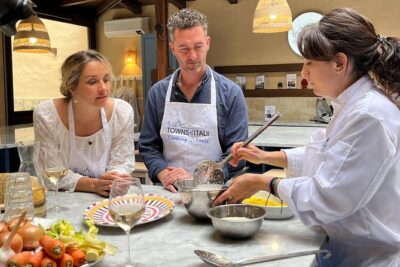
One of the most praised parts of the class is how chefs explain the reasoning, not only the steps. Past instructors have included chefs such as Fredrica, Elisa, Luca, and Federica—and the teaching style across sessions is consistent: you get practical tips and you’re encouraged to ask questions.
The meal part: eat what you made with wine
After all that kneading and shaping, you finally get the best part: eating. Your class concludes with a sit-down meal featuring your homemade pastas and sauces, paired with wine.
This matters more than it sounds. When you eat your own food in the same room where you learned it, you instantly connect technique to result. The sauce clings differently. The texture changes based on thickness. The salt level makes sense after tasting.
It also keeps the energy up. Some classes are “cook first, eat later, good luck.” Here, the meal is timed as a finish line. You end full, not hungry.
Homemade gelato: the sweet win at the end
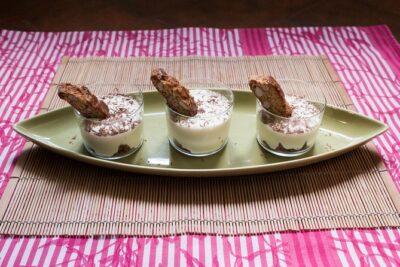
Then comes the final close: homemade gelato prepared by the chef. It’s a classic Italian ending for a reason. After rich pasta and wine, gelato brings cool sweetness that resets your palate.
Even if you’re not a big dessert person, this portion feels like a real included treat, not an afterthought. It also gives you an easy souvenir for your memory. You’ll remember the meal as a complete arc, not just a cooking session.
Private vs shared: choose the vibe you want
You can book either a private class or a shared, small-group class. This changes the feel more than people expect.
Private works well if you want a quieter pace and more one-on-one coaching—especially if you’re traveling as a couple or family. Shared is fun if you want conversation with other people while you work. Either way, the class happens in a cooking school space reserved for your group.
In past sessions, instructors have been described as energetic and engaging, with a steady pace that keeps adults comfortable and helps kids stay involved. If you’re bringing children, expect the structure to help them follow along, not just watch.
Price and value: what $66.84 gets you in real life
At $66.84 per person for a roughly 3-hour experience, the key value isn’t the pasta lesson alone. It’s the package.
You’re getting:
- a professional chef guiding you hands-on
- aperitivo with prosecco
- ingredients for your meal
- two homemade pastas and sauces
- wine with your meal
- gelato to finish
That’s a lot of included food and drink. If you tried to recreate this day on your own—market ingredients, cooking time, sauce ingredients, dessert, and wine—you’d likely spend more while also missing the technique coaching.
The other hidden value is the sauces and method. If you learn how to make Roman staples like amatriciana or cacio e pepe properly, you’ll get repeat use from what you learn. That turns a one-time dinner into a kitchen skill.
Who this class fits best (and who should skip)
I’d book this if you want a genuine food day in Rome that’s not just eating out. It’s especially good for:
- first-time pasta makers
- couples who like cooking together
- families who want a structured activity with a payoff meal
- food travelers who want Roman cooking context, not just recipes
I’d also consider it if you’re the kind of traveler who likes doing one “real” thing and learning enough to recreate it at home. This class is built for that.
Skip it if you have mobility issues, use a wheelchair, or need stroller access. The tour is also not suitable for guests with celiac requirements, though it’s described as adaptable to many dietary needs with notice.
Timing tips for a smoother 3 hours
This is a 3-hour experience, so you’ll want to treat it like a scheduled meal, not a casual stop. When you arrive, you’ll be guided from aperitivo into cooking without lots of waiting around.
A few practical tips to make it easy:
- Wear comfortable shoes. You’ll be standing and working close to the counter.
- Keep your phone handy for notes, not constant filming. You want to watch the chef’s hands.
- Ask questions when the chef explains the sauce. That’s usually where the “why” shows up.
- Go in hungry. Aperitivo is nice, but you’ll still be cooking and then eating pasta and gelato.
Where it happens: meeting point in central Rome
Meet at Piazza di San Giovanni della Malva (00153 Roma RM), in the square in front of the San Giovanni della Malva church. The host will be holding a red bag or a Devour Tours sign.
No pickup or drop-off is included, so plan to arrive on your own via walking or local transit. Arriving 15 minutes early helps you start relaxed instead of rushing.
Should you book this Rome pasta-making class?
If you want a hands-on Rome experience that ends with you eating a full meal you made yourself, yes—book it. It’s a strong value because the price includes chef instruction, two pastas, wine, gelato, and aperitivo, all packed into a focused 3-hour window.
I’d especially recommend it if you like learning technique. The best part isn’t just the recipes; it’s how the chefs explain steps and encourage questions. Past instructors have stood out for being fun, patient, and clear, including chefs like Fredrica, Elisa, Luca, and Stefano.
One last check before you commit: if you need wheelchair-friendly access or celiac-safe food, this isn’t the right fit based on the provided details. If that’s not you, this is one of the more satisfying ways to spend a Rome afternoon—because you leave with dinner skills, not just photos.
FAQ
How long is the Rome pasta making class?
It lasts about 3 hours.
What’s included in the class price?
You get a chef-led cooking class, appetizers, prosecco and wine, ingredients, two homemade pastas with sauces, and homemade gelato.
Do I make pasta myself or watch?
You make pasta from scratch hands-on, including fettuccine and ravioli.
Is the class in English?
Yes, instruction is in English.
Is it private or shared?
You can choose a private or shared (small group) class option.
Where do we meet?
You meet at Piazza di San Giovanni della Malva, in the square in front of the San Giovanni della Malva church. Arrive 15 minutes early and look for a red bag or Devour Tours sign.
Is pickup and drop-off provided?
No, pickup and drop-off are not included.
Is it suitable for celiacs?
No. It’s adaptable to dietary needs except for celiacs.
Is this class wheelchair accessible?
No, it is not suitable for guests with mobility impairments, wheelchairs, or strollers.
How far in advance can I cancel for a refund?
You can cancel up to 24 hours in advance for a full refund.