REVIEW · TRENTO
Share your Pasta Love: Small group Pasta and Tiramisu class in Trento
Book on Viator →Bookable on Viator
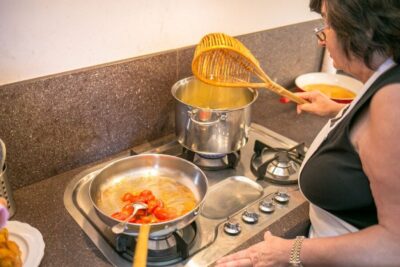
Pasta and tiramisù, made in a real home. I love how this class feels like you’ve been invited into a family kitchen, especially with Cesarina Costanza and her husband welcoming you and keeping things warm, organized, and practical. You’ll start with a Prosecco aperitivo and snacks, so you’re not stuck waiting around before the real work begins.
Next, what I like most is the hands-on payoff: you’ll learn two fresh pasta styles (one stuffed, one cut) and then make tiramisù from scratch, not as a demo, but as an actual cooking session. It’s the kind of lesson where you leave thinking, okay, I can do this at home.
One thing to consider: this is a home-kitchen class that runs about 3 hours, and you’ll be up close to your group as you cook, taste, and share space—so it’s best if you’re okay with that pace and with the sanitary rules in place.
In This Review
- Key highlights you’ll care about
- A Small-Group Pasta and Tiramisu Class in Trento’s Homes
- Welcome Aperitivo: Prosecco, Snacks, and Getting Oriented
- Rolling Fresh Pasta: One Stuffed, One Cut Shape
- Stuffed pasta: more than just filling
- Cut pasta: rhythm, thickness, and trust
- Why learning both formats helps you later
- Tiramisù from Scratch: The Nonna-Style Workflow
- The End Tasting: Eat Your Work, Then Ask Questions
- Price and Value: Is $154.76 Worth It?
- Practical Tips for Getting the Most Out of It
- Who Should Book This Cesarine Pasta Class
- Should You Book Pasta Love in Trento?
- FAQ
- How long is the pasta and tiramisù class in Trento?
- What group size is it?
- Is this a hands-on cooking class?
- Where does the class take place?
- Do I need a paper ticket?
- Is there free cancellation?
Key highlights you’ll care about
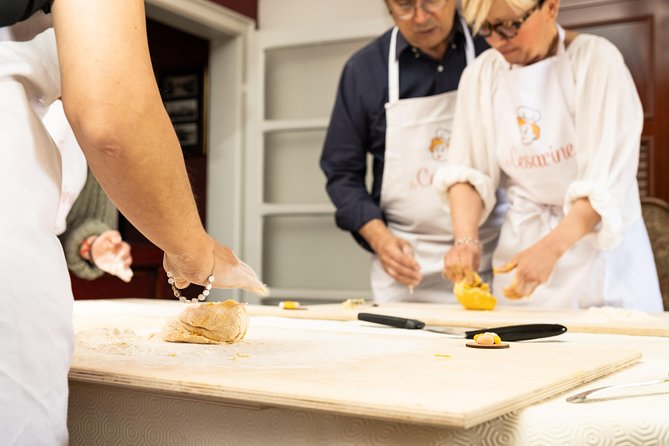
- Small group (max 12) means more time for hands-on help and fewer bottlenecks at the counter
- Welcome aperitivo with Prosecco and snacks sets a relaxed tone before you roll dough
- Two pasta formats: one stuffed and one cut, so you learn more than one technique
- Tiramisù from scratch with the steps you can actually repeat later
- Informal end tasting so you get to eat what you made, not just watch it happen
A Small-Group Pasta and Tiramisu Class in Trento’s Homes
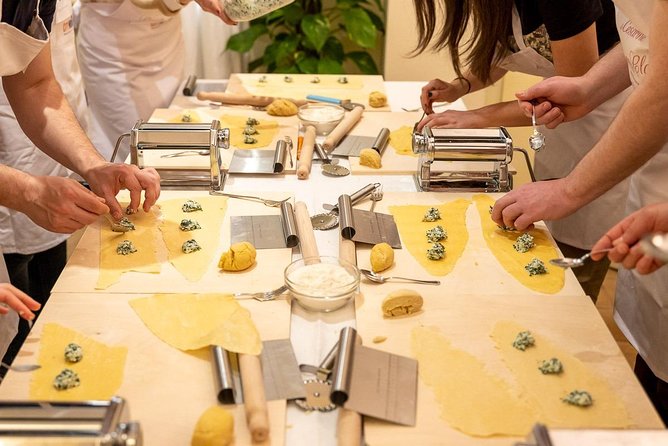
Trento is a smart base for day trips, but this experience is about slowing down and getting practical with Italian comfort food. Instead of a show-and-tell cooking class, you’re in a real home kitchen with a Cesarina host. That matters. Home kitchens usually run on instinct—simple tools, quick checks, and a lot of “try this, feel that” guidance.
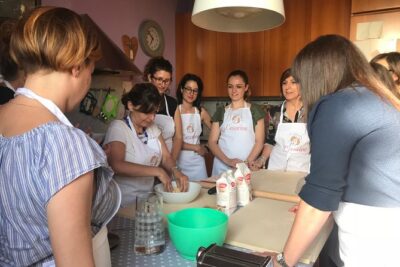
The class is about 3 hours and capped at 12 people, which keeps the flow workable. You’re not fighting for counter space, and your host isn’t racing through steps while you fall behind. You’ll also get a mobile ticket, and you’ll receive confirmation at the time of booking, which helps when you’re juggling plans.
One more detail I appreciate: the experience starts and ends back at the meeting point in Trento. That’s useful when you want an easy slot in your schedule without a complicated route hunt.
Welcome Aperitivo: Prosecco, Snacks, and Getting Oriented
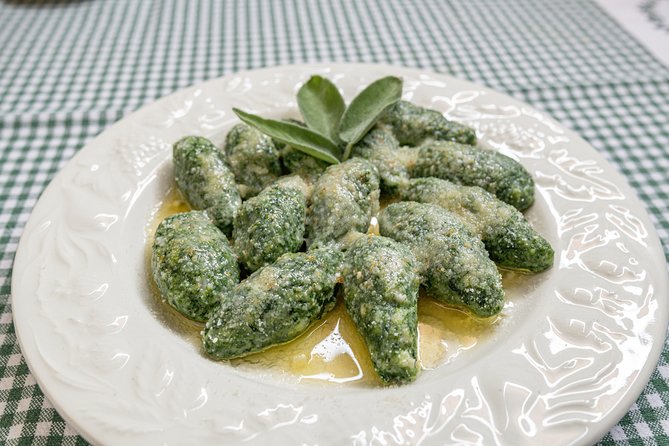
Before flour flies, you’ll be welcomed with an aperitivo—Prosecco and snacks. It’s not just a “nice touch.” This early pause does two things well. First, it helps you meet your host and settle into the kitchen rhythm. Second, you get a feel for the pace of the lesson. Italian home cooking tends to be practical and timed by feel, not by a strict TV clock.
In a small group, that warm-up also makes it easier to ask questions right away. And you’ll likely get the sense that your host wants you to succeed. The setup is designed so you’re not intimidated the moment you’re handed dough.
There’s also a real focus on sanitary care in the home. The host provides essential supplies like hand sanitizing gel and paper towels for handwashing. The class notes you should keep 1 meter distance when needed, and if you can’t, masks and gloves are part of the plan. In other words, this is normal cooking with extra attention to safety.
Rolling Fresh Pasta: One Stuffed, One Cut Shape
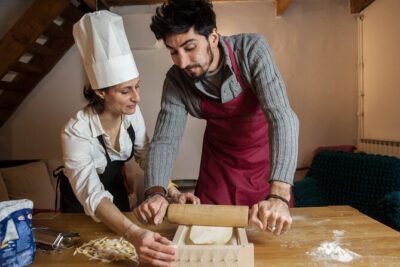
Here’s where the class earns its keep. You’ll prepare two types of fresh pasta—one stuffed and one cut—and you’ll learn the techniques behind both. Many cooking classes teach only one pasta style, then move on. This one forces you to practice different steps, which makes the lesson more valuable if you actually want to cook again later.
Stuffed pasta: more than just filling
Stuffed pasta is where you learn control. It’s not only about making dough; it’s about shaping and sealing. You’ll focus on how the dough behaves, how much filling makes sense, and how to close it so you don’t end up with a dumpling that leaks its secret.
The best part of learning this in a home class: your host can correct your technique on the spot. Fresh pasta is touch-based. If the dough is too dry or too elastic, it shows immediately. You get feedback while you’re still in the learning phase.
Cut pasta: rhythm, thickness, and trust
Then you’ll make a cut pasta, which is a different skill set. With cut pasta, you’re paying attention to thickness and consistency. You want pieces that cook at the same speed and have a texture that holds sauce.
Cut pasta also builds confidence. It’s more forgiving than stuffed pasta in one way—you’re not sealing edges—but it demands uniformity. Again, your host’s guidance helps. You’ll learn how to judge the dough without overthinking it.
Why learning both formats helps you later
If you only learn one kind of pasta, you usually repeat the same dish and feel stuck. Learning stuffed and cut styles gives you a wider toolbox. You can make a filled version for special dinners and a simpler cut version for weeknight comfort—same core dough skills, different outcomes.
Tiramisù from Scratch: The Nonna-Style Workflow
After pasta comes tiramisù, and yes, it’s every bit as satisfying as you’d hope. You’ll make it from scratch, not from store-bought shortcuts. That’s important because tiramisù is a texture game: cream consistency, soaked layers, and how long you let everything rest.
You’ll work through the steps with your host as you go. The big takeaway you want is the workflow: how you assemble, what you watch for, and what results you’re aiming for as it sets. Even if you’ve made tiramisù before, fresh eyes help—small technique differences can change the final bite from good to actually great.
Also, because this is a home lesson, you get practical guidance. Home cooks tend to teach what they trust: adjustments based on the mood of the ingredients and how the cream is behaving that day.
The End Tasting: Eat Your Work, Then Ask Questions
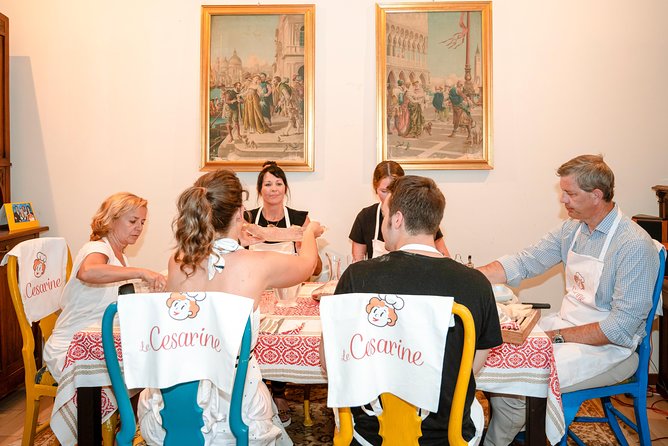
The class ends with an informal tasting of what you made. This is where the whole session clicks. You finally get to connect the steps you did—dough handling, stuffing/sealing, cutting, cream building—with the final texture in your mouth.
It’s also when questions come naturally. If your stuffed pasta felt slightly tricky, you’ll understand why once you taste it. If the cut pasta was thicker than you intended, you’ll feel it in cooking time and mouthfeel. The tasting turns mistakes into learning, and learning into confidence.
In a group setting, tasting also creates a friendly atmosphere. The experience is designed to feel more like cooking together than paying for a performance.
Price and Value: Is $154.76 Worth It?
At $154.76 per person for roughly 3 hours, you’re paying for three things: (1) a home kitchen setup, (2) a host who teaches and corrects as you cook, and (3) food materials plus the chance to eat what you make.
For value, compare this to two common alternatives:
- A pasta dinner where you pay for the meal only
- A short demo class where you watch more than you do
This class is hands-on with real outcomes—two pasta types and tiramisù. You also get the aperitivo and snacks at the start and tasting at the end. That means your cost isn’t just tuition; it’s also ingredients and an experience built around doing, not observing.
The small group size helps too. If you’re in a class with half the attention, the lesson becomes less repeatable at home. Here, the max of 12 keeps your learning curve healthier.
One more point: booking further in advance is common for this kind of experience (it’s often booked about 44 days ahead on average), so if this fits your schedule, it’s worth planning early.
Practical Tips for Getting the Most Out of It
You’ll get the best results if you show up ready to work and ready to taste.
- Keep your hands clean and follow the sanitary steps your host explains. The class already provides the basics, but your attention matters.
- Wear something comfortable for standing and using your hands. This isn’t a sit-down lecture.
- If you have any dietary needs, contact the host ahead of time. The class includes examples of ingredient checks in the group—one participant had a dairy intolerance, and the host coordinated before arrival to make sure ingredients were acceptable.
- Ask early about your pasta dough questions. Fresh pasta needs corrections fast, not after everything is already cut or stuffed.
Who Should Book This Cesarine Pasta Class
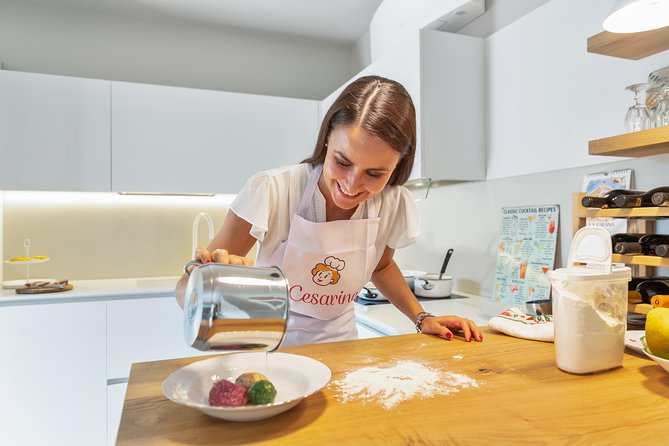
This experience is a strong match if you want:
- Hands-on cooking in a real kitchen rather than a scripted demo
- A lesson that teaches repeatable skills: pasta dough, stuffing/sealing habits, cutting/thickness, and tiramisù assembly
- A relaxed social feel with an aperitivo and small-group attention
It may be less ideal if you prefer very formal, sit-and-watch classes, or if you get uncomfortable in close shared spaces while cooking. Since it’s in a home and runs about 3 hours, you’ll be active.
If you’re the type who loves learning how food is made—so you can reproduce it later—this is exactly that.
Should You Book Pasta Love in Trento?
If you want a cooking memory that turns into real dinners later, I think you should book it. The combination of two pasta formats plus tiramisù from scratch, taught in a small home group, is the core reason it feels worth your time and money.
Book it especially if you care about technique, not just eating. And if you have dietary restrictions, reach out ahead of time—this host model includes ingredient awareness in at least one real situation.
If you’re short on time, though, or you’d rather do a big sightseeing day, you might choose something lighter. But for most food-minded travelers in Trento, this is one of the best ways to slow down and learn Italian cooking the way it’s actually done.
FAQ
How long is the pasta and tiramisù class in Trento?
It lasts about 3 hours.
What group size is it?
It has a maximum of 12 travelers.
Is this a hands-on cooking class?
Yes. You’ll prepare two types of fresh pasta (one stuffed and one cut) and make tiramisù from scratch, then taste what you made.
Where does the class take place?
It takes place in a carefully selected local home in Trento. The activity starts in Trento and ends back at the meeting point.
Do I need a paper ticket?
No. The experience uses a mobile ticket.
Is there free cancellation?
Yes. You can cancel for a full refund up to 24 hours in advance of the experience start time.