REVIEW · ROME
Top Class in Fettuccine, Ravioli, and Tiramisu
Book on Viator →Operated by Rome in a bite · Bookable on Viator
Your hands learn pasta in Rome. This hands-on class is built around fresh fettuccine, ricotta ravioli, and a homemade tiramisu, finished with a wine-paired meal you actually sit down to enjoy.
Two things I’d book for right away: the small group size (max 15) that keeps the experience personal, and the fact that you’re making three classics from scratch instead of just watching. One thing to consider is that public transportation isn’t included, so you’ll want to map your route to Via dei Banchi Vecchi ahead of time.
In This Review
- Key Points to Know Before You Go
- A Small-Group Pasta Workshop in Central Rome
- Meeting Point at Via dei Banchi Vecchi (And How to Plan Your Arrival)
- Welcome Aperitif and the Chef Coaching Style
- Building Fresh Fettuccine: Rolling, Cutting, and Getting the Feel
- Ricotta Ravioli from Scratch: Filling, Sealing, and Sauce Pairing
- Tiramisu by Hand: Turning Simple Ingredients into a Creamy Finish
- Wine-Paired Dinner: Eating What You Created (Not Just Sampling)
- Price and Value: What $84.11 Covers (And Why It’s Not Just a Meal)
- Who This Class Fits Best (And Who Might Want to Skip)
- Final Thoughts: Should You Book This Pasta, Ravioli, and Tiramisu Class?
Key Points to Know Before You Go
- Max-15 group helps you get real coaching while you roll and shape pasta
- Three from-scratch dishes: fettuccine, ricotta ravioli, and tiramisu
- Chef-led step-by-step support with Flavio and Ciro highlighted in past classes
- Choose your sauce: Tomato and Basil, Cacio e Pepe, or Amatriciana
- You eat your work with a wine-paired dinner (or a non-alcoholic option)
- Air-conditioned kitchen is an extra comfort in Rome
A Small-Group Pasta Workshop in Central Rome
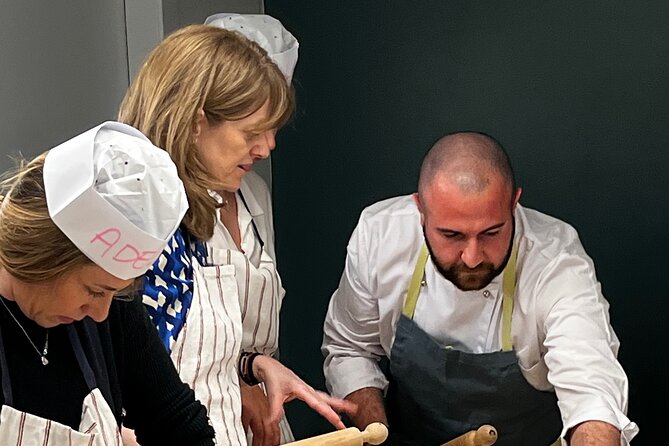
This is the kind of Rome activity that feels practical, not performative. You’re not just getting a taste of Italian food—you’re learning the motions that make it taste right: mixing, rolling, shaping, and assembling. Then you get to eat what you made, without rushing out the door.
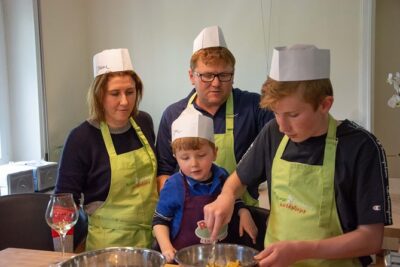
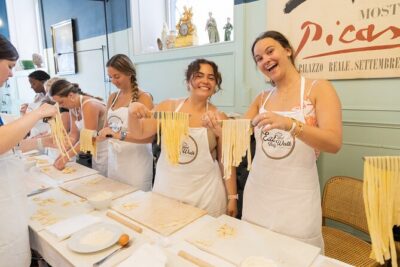
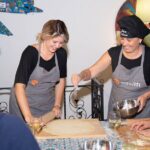
The class is capped at 15 people, which matters more than it sounds. With smaller numbers, you’re less likely to get stuck waiting for the chef to notice your dough problem or your ravioli fold. It also makes the room feel more friendly, and less like a production line.
The setup is also built for comfort. Based on feedback from people who’ve done it, the kitchen is air-conditioned, which is a big deal on warm Roman days. Add to that the fact the class is in English, and you’re not spending your evening translating the basics in your head.
You can also read our reviews of more tours and experiences in Rome.
Meeting Point at Via dei Banchi Vecchi (And How to Plan Your Arrival)
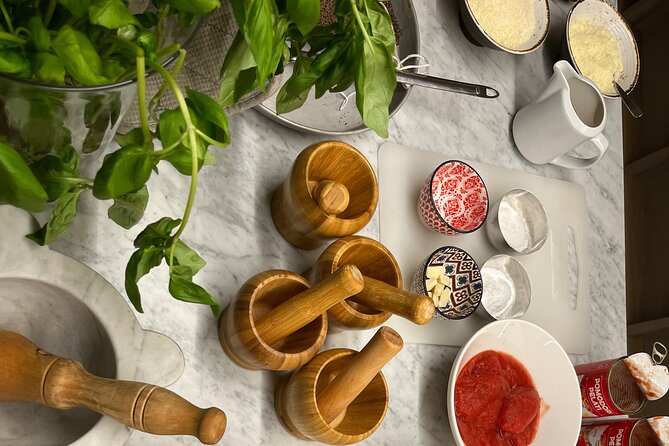
You meet at Via dei Banchi Vecchi, 108, 00186 Roma RM, Italy, and the experience ends back at the same spot. That “back where you started” detail is small, but it helps you enjoy your evening without extra logistics.
Because transportation isn’t included, I recommend giving yourself a little buffer. Rome sidewalks can be uneven, streets can be confusing on arrival, and you don’t want to jog into a cooking class with cold hands and a distracted mind. If you’re coming from another neighborhood, check your walking time in advance and aim to arrive early enough to settle.
Also note the format: you’ll use a mobile ticket, and confirmation comes at booking. That’s usually easy, but I still suggest keeping your phone battery topped up. (Cooking classes are one of those moments where you don’t want to be searching for a weak connection while everyone’s getting started.)
Welcome Aperitif and the Chef Coaching Style
The evening starts with a welcome aperitif, a nice way to settle into the rhythm of the class. It’s not just a beverage—it’s a social warm-up, and it sets the tone for a hands-on session where you’ll be working with your hands pretty quickly.
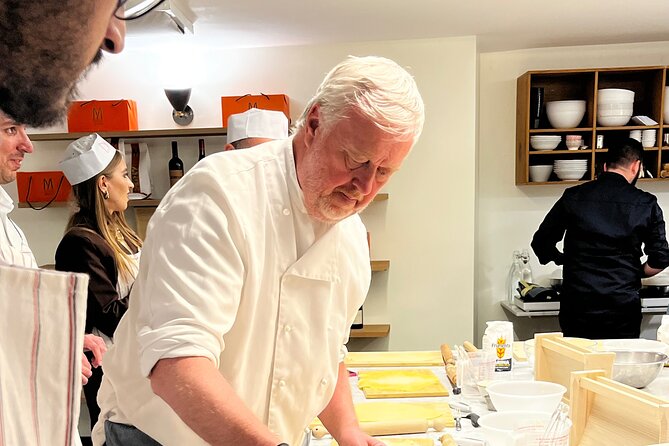
What makes this class work is the way the chefs guide you through the steps. Past participants specifically called out Flavio and Ciro for being friendly, prepared, and supportive. That’s the sweet spot: confident instruction without the feeling that you’ll be judged for a lopsided sheet of pasta.
You’ll be shown how to handle fresh dough, how to shape fettuccine and ravioli, and how to keep everything moving so you’re not stuck waiting. Even when you’re working independently, you’re not left alone with a rolling pin and hope.
Building Fresh Fettuccine: Rolling, Cutting, and Getting the Feel
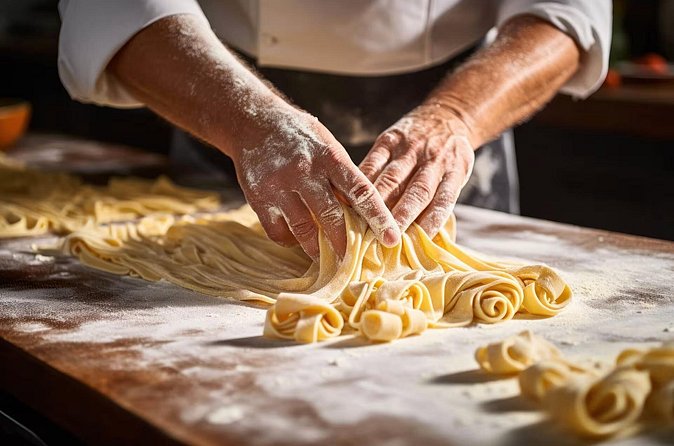
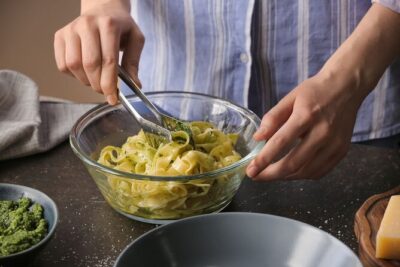
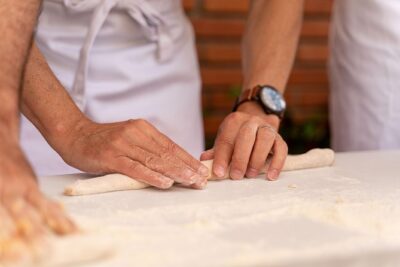
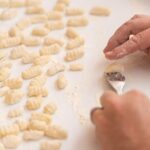
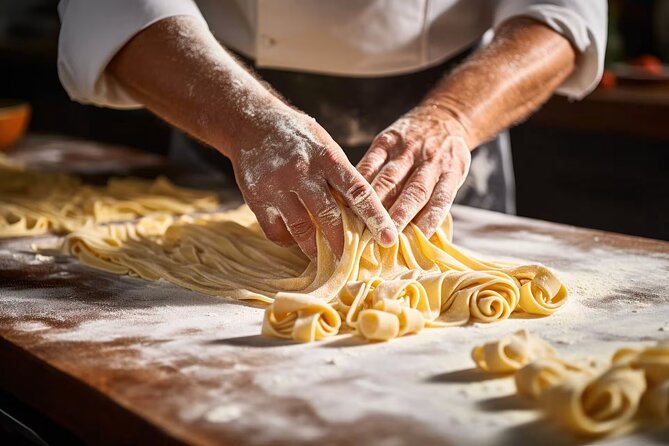
Making fettuccine is where the class quickly turns from interesting to satisfying. You’ll start working with fresh pasta dough and then learn the process of shaping it into fettuccine—the classic wide ribbon style that looks simple but rewards good technique.
In a good class, the goal isn’t perfection. It’s learning what “good” feels like. When the dough has the right consistency, it rolls smoothly instead of tearing. When you cut evenly, you get strands that cook consistently. That’s what you’re training for.
One practical advantage here: professional kitchen equipment is provided, plus fresh ingredients. So you’re not improvising at home with random tools and questionable flour. You get a real workflow, which makes it easier to repeat later.
If you’re worried you’ll be slow, don’t be. The pace is designed for a mixed group, and the chefs stay right there while you practice. The point is to leave with a repeatable method, not a souvenir photo of raw dough.
Ricotta Ravioli from Scratch: Filling, Sealing, and Sauce Pairing
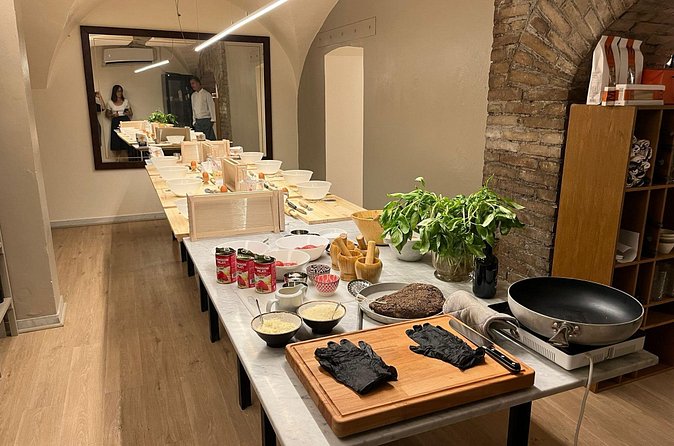
Then comes ravioli, the portion of the meal that people usually think is too hard. Here, it’s taught as a step-by-step craft: you make ricotta ravioli from scratch, including forming and shaping the pasta around the filling.
Ravioli is where you really see why hands-on instruction matters. You’ll learn how to portion filling so it doesn’t leak, and how to seal properly so your ravioli holds together when cooked. In plain terms: this is the part where the chef’s “small tricks” save you from common mistakes.
The class also includes sauce of your choice, which is a smart way to let you steer your dinner. You can choose between Tomato and Basil, Cacio e Pepe, or Amatriciana. Even if you don’t fully know what you’ll prefer, it’s helpful that the options are classic Roman-leaning flavors rather than random modern blends.
You’ll likely find that your sauce choice changes how you think about the pasta itself. Fresh pasta tastes clean and alive; the sauce is what gives it comfort and weight. And since you’re eating what you made, your sauce pairing will feel personal.



Tiramisu by Hand: Turning Simple Ingredients into a Creamy Finish
After pasta work, the class transitions to dessert—tiramisu—made from scratch. Dessert is the perfect “engine reset” because it shifts from kneading and shaping into assembly and timing.
Even if you’ve had tiramisu before, making it is different. This is where you learn what the texture should feel like and how to balance the creamy layers. It also helps that you’re not doing it alone—you’re guided through the steps while your kitchen energy comes back around.
A big advantage of including tiramisu in the same session is that it gives you closure. You don’t end the night with your stomach full and your skills half-finished. Instead, you finish with the kind of dessert that feels special, yet approachable once you’ve done it once.
Wine-Paired Dinner: Eating What You Created (Not Just Sampling)
This is one of the strongest value points of the experience: you don’t just make dishes and then scatter. You get to enjoy your meal as a complete dinner featuring the pasta and dessert you created.
You’ll have a glass of wine or a non-alcoholic beverage. The pairing doesn’t need to be fancy to work. The bigger win is that you’re eating something fresh and warm, right after you’ve built it, and you’re not relying on restaurant timing.
This part of the evening is also where the class becomes genuinely social. You’ll be sitting down with people you cooked beside, comparing what your pasta looked like, and celebrating the fact that it actually turned out.
One subtle benefit: since you’re the one making the food, you notice details you’d normally miss—how fresh pasta changes the bite, how sauce coats differently, and how tiramisu sets up after assembling.
Price and Value: What $84.11 Covers (And Why It’s Not Just a Meal)
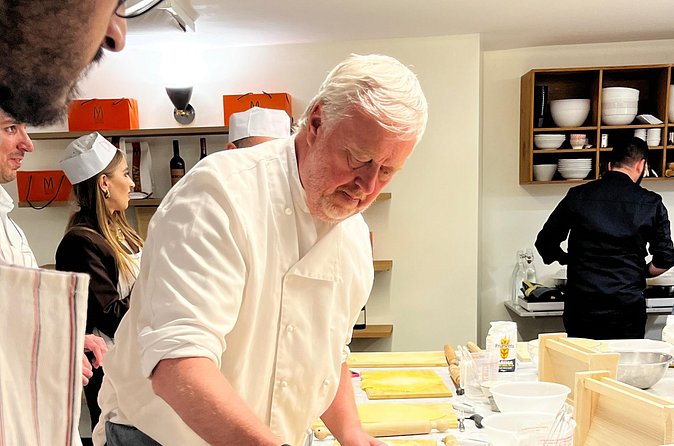
At $84.11 per person for about 3 hours, you’re paying for more than food. You’re paying for instruction, a guided workflow, and all the ingredients and equipment that would add up quickly if you tried to replicate it yourself.
Here’s what you get for the money:
- A hands-on cooking class led by an expert Italian chef
- Ingredients and professional kitchen equipment provided
- A full output of three dishes: fettuccine, ravioli, and tiramisu
- A sitting-down dinner experience, including wine or a non-alcoholic beverage
What you don’t get is public transportation. That’s normal for this type of activity, but it affects your overall cost if you’re already budgeting for transit.
If you like learning on vacation, this is a good deal. If you only want to eat and you don’t care about technique, you might find a meal in a restaurant cheaper. But if you want a skill you can repeat at home, this pricing starts to make sense quickly.
Who This Class Fits Best (And Who Might Want to Skip)
This class is ideal if you want an evening activity that’s structured and fun. It’s also a great choice for couples and small groups because the room stays intimate, and the food output is impressive enough to feel like you “did something” beyond sightseeing.
It also works for solo travelers who want an easy way to be part of a group without standing around. The guided format keeps you busy and focused.
In terms of skill level, you don’t need to be a pasta expert. The class is designed so most people can participate, and the chefs guide you through each stage. That said, if you have serious dietary restrictions or allergies, you’ll want to check directly about ingredients and how your meal can be adapted. The class includes fresh ingredients, so you’re not in a spot where you can simply order around it.
Final Thoughts: Should You Book This Pasta, Ravioli, and Tiramisu Class?
I’d book it if you want a Rome experience that mixes real technique with a satisfying dinner. The combination is hard to beat: fresh pasta from scratch, sauce choices, and tiramisu, all taught in a small group with supportive chefs.
Skip it only if you’re in “eat and go” mode, or if you’re so pressed for time that a roughly 3-hour commitment feels risky. Also, if you don’t want to handle food at all, this won’t be your vibe—this one is built for hands-on work.
If you want a memorable evening where you learn something you can actually make again at home, this is one of the best ways to spend a night in Rome.