REVIEW · PUMMARE
Rome: Pasta and Gelato Cooking Class with Wine or Beer
Book on GetYourGuide →Operated by Insideat Cooking Class and Food Tour · Bookable on GetYourGuide
A great Rome day starts with dough on your hands. This pasta and gelato class mixes real technique with a relaxed Roman kitchen vibe, and you get to make both from scratch. I love the hands-on part where you knead, roll, and cut, and I also like that the gelato is treated like an art, not an afterthought.
One thing to keep in mind: it’s a 2-hour whirlwind, so the final cooking steps may be finished by the kitchen while you focus on the main hands-on work.
In This Review
- Key things to know before you go
- Handmade fettuccine and two gelato flavors in 2 hours
- Finding Pummarè Restaurant above Trionfale Food Market
- How the class actually flows (and what you do vs what the kitchen does)
- Gelato lessons: making it creamy, not just cold
- Pasta from scratch: eggs, flour, kneading, and real fettuccine shaping
- The sauce and the meal: wine or a soft drink with what you made
- Who will enjoy this class most (and who might want a different format)
- Dietary needs: vegan, vegetarian, and gluten-free without awkwardness
- Practical tips to get the most out of your 2-hour Rome session
- Value vs. other food experiences near the Vatican
- Should you book this Rome pasta and gelato class?
- FAQ
- Where does the class meet in Rome?
- How long is the pasta and gelato cooking class?
- Is the class taught in English?
- Is the experience wheelchair accessible?
- Do I need cooking experience before I go?
- Are there dietary options like gluten-free or vegan?
- Is it okay for children?
Key things to know before you go
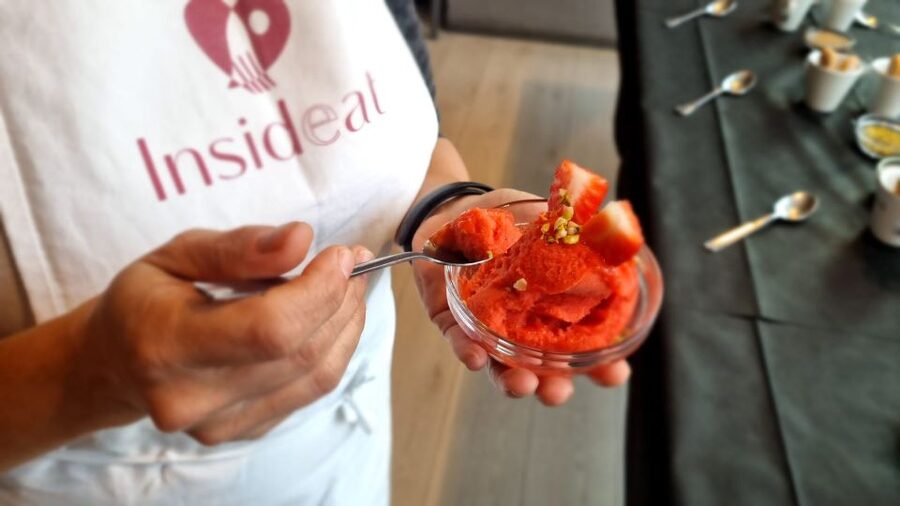
- Two gelato flavors from scratch with options to add toppings like a gelato artist
- Fresh fettuccine process: eggs and flour dough, kneading, rolling, and cutting
- Chef-led and English speaking with friendly, patient guidance (you might meet chefs named Sonia or Mateo)
- A glass of wine or a soft drink to go with what you make
- Dietary options including vegetarian and gluten-free, and you can request vegan needs in advance
- A real meal moment, not just samples, in a cozy setup near the Vatican area
Handmade fettuccine and two gelato flavors in 2 hours
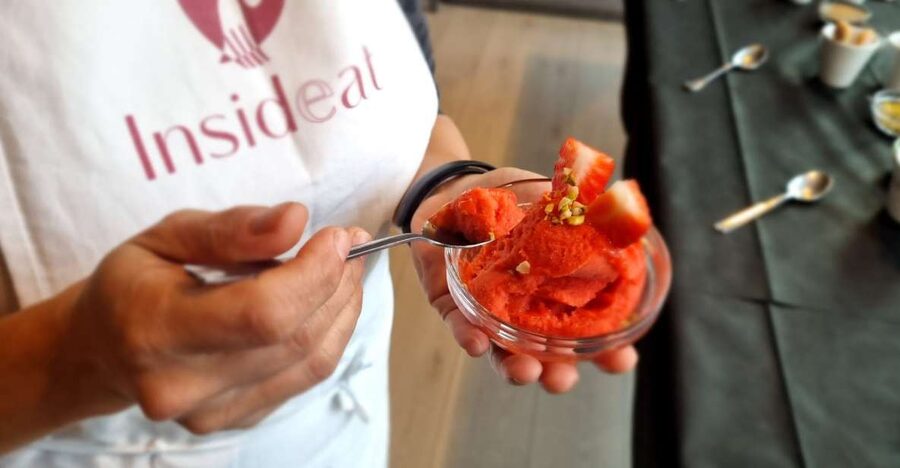
This is the kind of class that feels like you’re doing what Italians do on a normal day—except you’re learning the steps with a guide watching closely. You start with gelato ingredients and techniques, then shift to pasta dough, shaping, and cutting. By the time you sit down to eat, you’re not just tasting Rome; you’re eating your own work.
The timing is tight (it’s built for a 2-hour experience), but the pace stays friendly. You’ll get enough instruction to leave with practical skills—how dough should feel, how gelato texture changes, and what “proper” means for both. It’s a great fit for a day when you want something active that still ends with a satisfying meal.
Best part: you get to make two gelato flavors and handmade fettuccine in the same session. That combo is rare compared with classes that focus on one dish only. If your goal is a hands-on food memory, this delivers.
Finding Pummarè Restaurant above Trionfale Food Market
Your meeting point is at Pummarè Restaurant, above the Trionfale Food Market. It’s at the top of the stairs with graffiti, and there’s a taxi station right in front—helpful if you’re arriving by cab or trying to orient fast.
Plan to arrive 15 minutes early. In a city where walking times can swing (traffic, wrong turns, a closed street that isn’t on your map), that buffer matters. If you’re running late, you’ll have a local contact number to reach out to the partner.
This meeting spot is also convenient for a Vatican-area day. You get the Rome “in the neighborhood” feel, not a far-flung tour set-up. And if you’re in a wheelchair, the activity is listed as wheelchair accessible, which is a big plus for planning.
How the class actually flows (and what you do vs what the kitchen does)
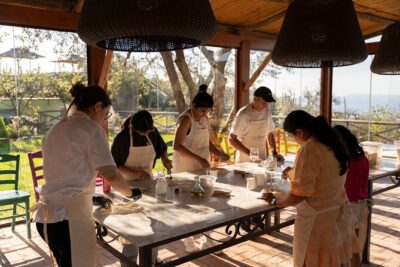
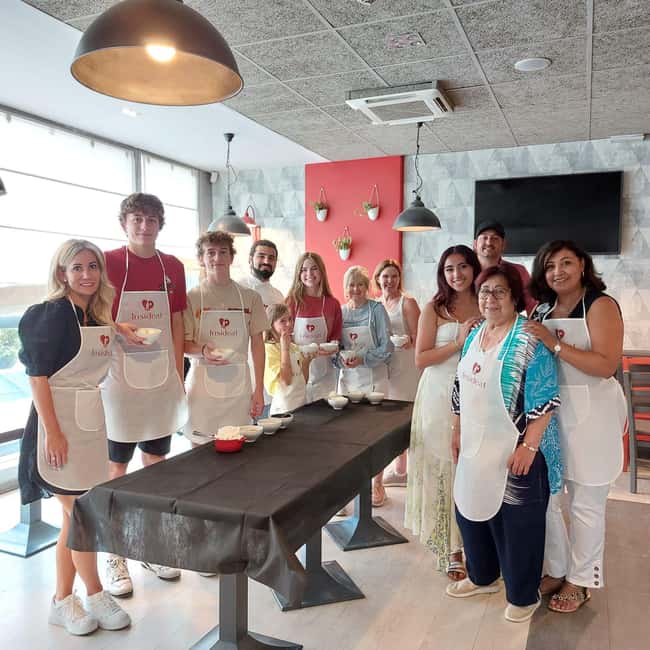
The structure is clear: you create, you shape, and you taste. You’ll be doing the core work yourself—mixing and handling dough for pasta, and preparing gelato ingredients—so you don’t feel like you’re just standing around. The guide keeps it moving, with step-by-step direction suited to different skill levels.
That said, not every single “heat moment” is your job. One detail worth knowing: the final steps of cooking the fettuccine and finishing the gelato may be handled by the kitchen staff. You still build the dough and shape it, and you still get to see what happens next, but you’re not trapped over a stove for the full 2 hours.
In practice, that’s often a good thing. It keeps the class on time and helps avoid the common problem where beginners overcook the pasta or struggle to get gelato texture right without the tools and timing working in their favor.
Gelato lessons: making it creamy, not just cold
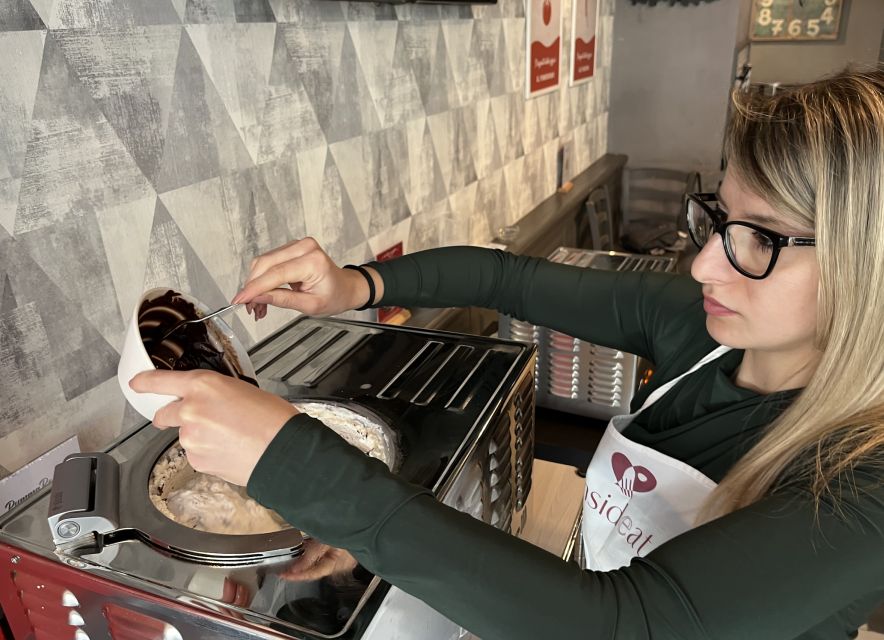
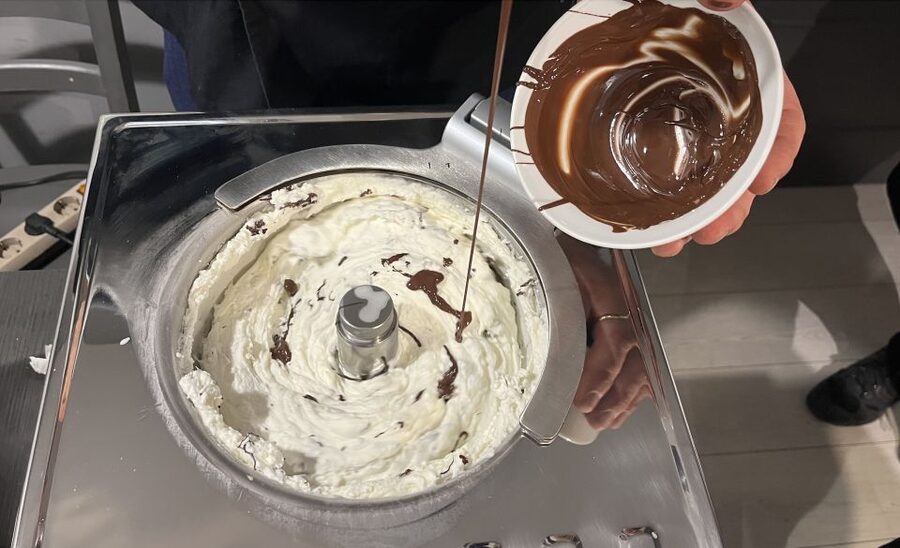
Gelato starts with ingredients and technique, and you learn why it’s different from ice cream. You’ll work with fresh, high-quality ingredients and make gelato flavors from scratch. The guide will explain the key idea: gelato’s texture and flavor come from how it’s prepared, not just from sweetening.
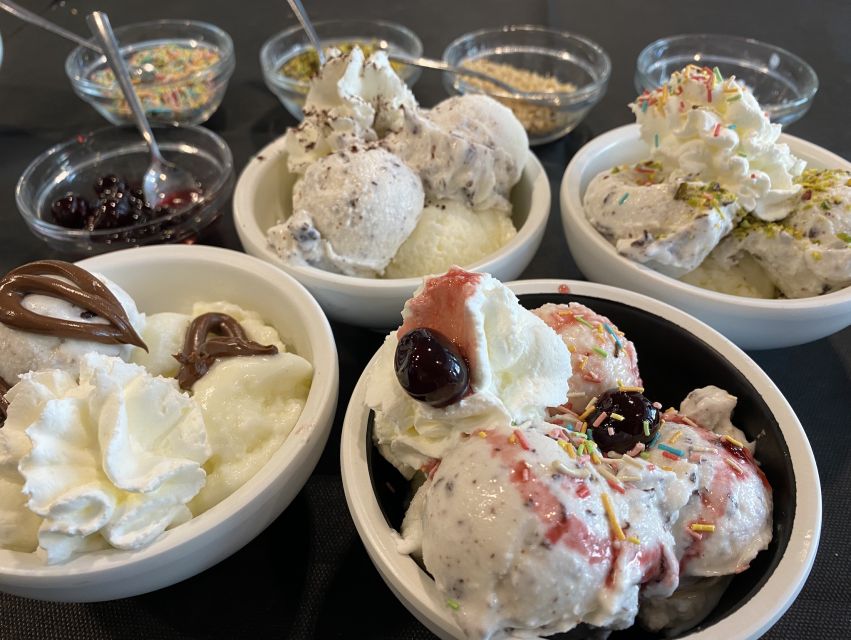
You’ll make two flavors, and you’ll have a chance to customize—think toppings as your creative finish. One guest experience noted a combination like plain with melted chocolate and stracciatella, which gives you a sense of the kind of flavors you might be assigned. Even if your exact flavors differ, the pattern is consistent: you’re learning how to build flavor and texture, then dressing it up.
Tasting is part of the lesson. When your gelato is finished, you’ll eat what you made alongside the rest of your class meal. This is where gelato becomes more than dessert—it turns into a skill you can repeat at home with better expectations.
Pasta from scratch: eggs, flour, kneading, and real fettuccine shaping
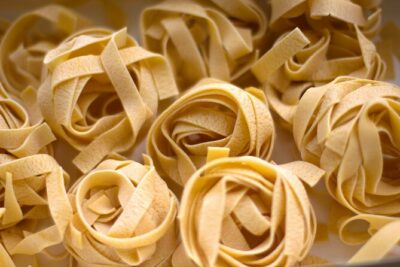
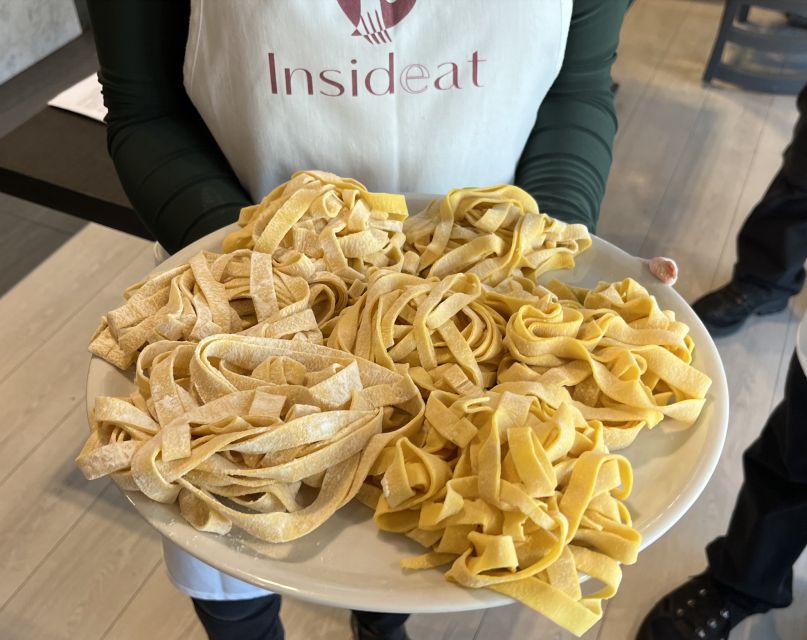
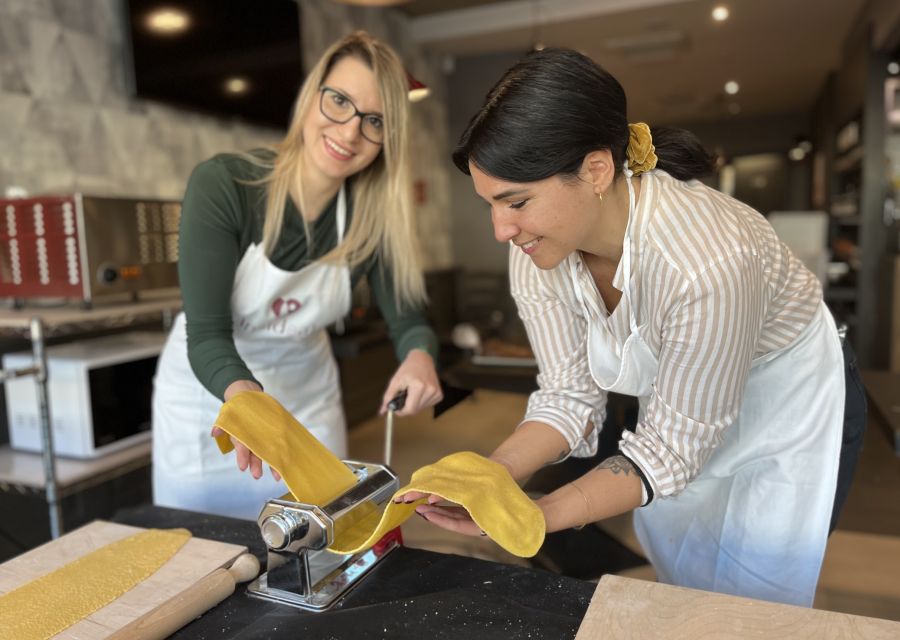
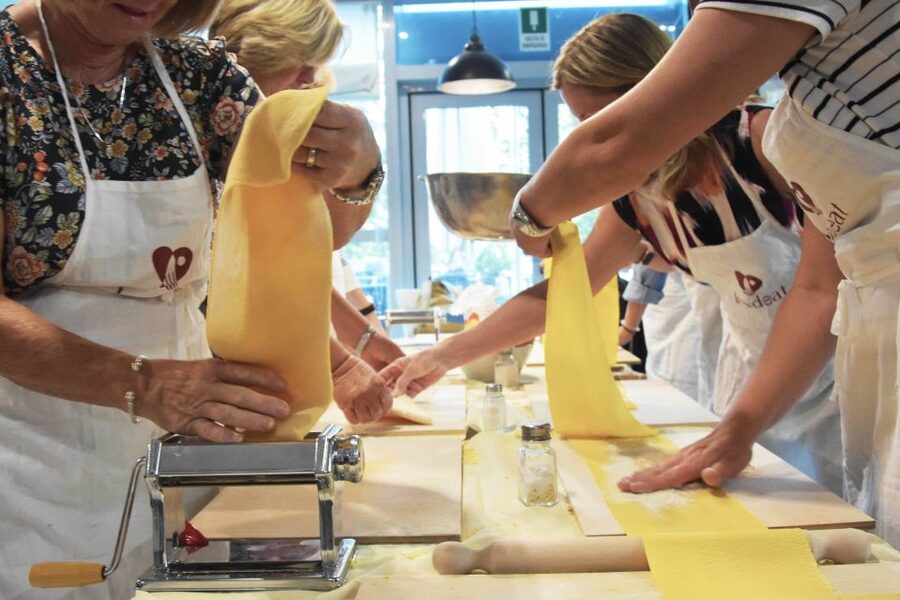
After gelato, you move into pasta time. This is the part many people come for, and it’s also the part where you get the most physical confidence. You’ll combine eggs and flour to make fresh pasta dough, then knead until it feels right, roll it out, and cut it into fettuccine.
The guide’s role here is huge: rolling thickness and dough handling matter. If you’ve ever tried making pasta at home and the sheet tears or cooks unevenly, this kind of coaching helps you understand what to fix. You’re not just copying steps; you’re learning how the dough should behave.
Once shaped, your handmade pasta is cooked and dressed with a classic Italian sauce. You don’t need to be a foodie or a home cook to succeed. The class is built so beginners can do the work while the guide keeps the process understandable.
The sauce and the meal: wine or a soft drink with what you made
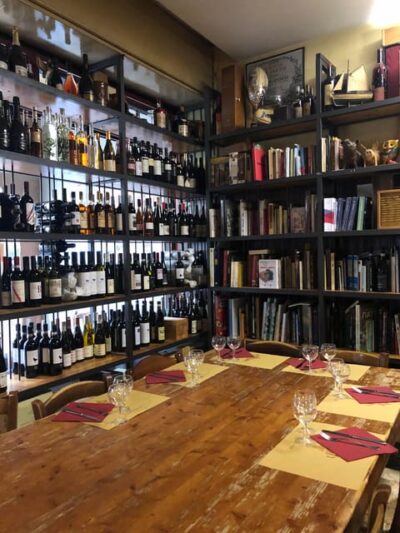
After the cooking portion, you sit down and eat. You’ll enjoy your creations with your fellow food lovers in a warm, welcoming atmosphere. The class includes a glass of wine or a soft drink, which makes the meal feel like a proper sit-down rather than a quick bite.
If you’re the type who worries about being hungry, relax. The experience is designed around eating what you make, and it emphasizes that there will be plenty of food. One reported bonus: you may be served something like bruschetta while you’re waiting, which is a nice Rome touch before the real meal lands.
I like these meal moments because they shift you from “student” to “table companion.” You get a second to talk, compare notes, and ask practical questions—like what you’d do differently at home.
Who will enjoy this class most (and who might want a different format)
This is a strong choice for:
- Couples who want an activity that feels personal and memorable
- Solo travelers who want a guided, social food moment without “tour group” vibes
- Families and groups where kids can see and touch real cooking steps (with the right supervision)
- Beginners who want an instruction-heavy class with clear results
You might want a different option if you’re hoping for a longer, slower pasta lesson or if you only want gelato and nothing else. Here you’ll do both, which is the point, but it also means you won’t go deep enough to become a full gelato maker in one sitting. Still, you’ll leave with techniques and confidence.
If you’re very focused on gluten-free cooking, this class can work well because dietary requests are handled. One example included gluten-free pasta and additional gluten-free snacks, which shows the effort being made beyond the bare minimum.
Dietary needs: vegan, vegetarian, and gluten-free without awkwardness
The class states that accommodations are available for vegan, vegetarian, and gluten-free needs, and you’re asked to inform the partner when booking. That matters because pasta dough and flour-based ingredients can be tricky, and you want it handled right from the start.
Vegetarian options are explicitly available. For gluten-free, a reported experience highlighted a celiac guest receiving gluten-free pasta to eat, plus gluten-free crisps with a cheese pinch as a snack. That’s the kind of practical care that makes a difference—food that’s safe and also actually enjoyable.
If you have dietary needs, come prepared with clear details when you book. Don’t wing it on the day. A quick message ahead of time gives the kitchen a better chance to prep properly so you can relax and eat.
Practical tips to get the most out of your 2-hour Rome session
Go in hungry. That’s not marketing talk—it’s because the flow includes multiple steps and then a real tasting-and-meal moment. Wear clothes you don’t mind getting flour-dusted, since dough work can be messy even when everything is done carefully.
Also, plan your timing around this class. Since the workshop is only 2 hours, you’ll want a schedule that doesn’t force you to rush out at the end. If you’re the type who likes to wander after a good meal, build that in.
One more small strategy: ask the guide what to watch for during kneading and rolling. Even if you forget every detail, you’ll remember the “feel” cues. That’s what turns a fun activity into usable skill.
Value vs. other food experiences near the Vatican
Classes like this can feel pricey compared with a casual dinner, but you’re paying for skill plus ingredients plus time with a guide. In 2 hours, you’re creating two dishes, not just observing one. You also get wine or a soft drink, plus you eat what you made.
The value shows up in what you take home: practical cooking knowledge and an experience that’s active. Instead of just buying a souvenir edible, you leave with recipes and techniques you can repeat. That’s meaningful if you like cooking—or if you want a story to tell that isn’t just photos and names.
Should you book this Rome pasta and gelato class?
Book it if you want a hands-on Rome experience that ends with a real meal, and you’re happy learning both pasta and gelato in one go. The class style fits beginners, and the dietary accommodations are a real plus when you need them.
Skip it if you’re looking for a long, detailed course where you do every cooking step yourself from start to finish. Also consider that gelato flavors and pasta sauce are part of a structured plan, so you might want to treat this as a learning session first, and then chase any extra dessert cravings on your own afterward.
If you’re choosing between options and you care about rolling dough, cutting fettuccine, and leaving with real know-how, this one makes a lot of sense.
FAQ
Where does the class meet in Rome?
You meet at Pummarè Restaurant, above the Trionfale Food Market, at the top of the stairs with graffiti. There’s a taxi station in front of the meeting point.
How long is the pasta and gelato cooking class?
The experience lasts 2 hours.
Is the class taught in English?
Yes, the instructor is English speaking.
Is the experience wheelchair accessible?
Yes, it’s listed as wheelchair accessible.
Do I need cooking experience before I go?
No experience is needed. The chef guides you step by step, including if you’re a complete beginner.
Are there dietary options like gluten-free or vegan?
Vegetarian options are available, and vegan, vegetarian, and gluten-free options can be accommodated if you inform the local partner at booking.
Is it okay for children?
Unaccompanied minors are not allowed. Children must be accompanied by an adult.