REVIEW · SANREMO
Pasta and Tiramisu at Local’s Home in Sanremo
Book on Viator →Operated by Cesarine: Cooking Class · Bookable on Viator
Fresh pasta starts at home in Sanremo. This 3-hour Cesarine class teaches you to roll sfoglia by hand and make two kinds of pasta from scratch, then finishes with the iconic tiramisu. I love that the host instruction is step-by-step and practical, and I also like that the experience includes an Italian aperitivo plus wine, water, and coffee with what you cook.
One watch-out: you’re cooking in a real home, so you’ll need to follow 1 meter distancing and use masks and gloves if you’re closer than that. Plan on being actively involved, not just watching—flour and dough are part of the deal.
In This Review
- Key highlights you’ll care about
- Why This Sanremo Cooking Class Feels Like Italy, Not a Performance
- Meet Your Cesarine Host and Set Expectations for 3 Hours
- The Real Skill: Rolling Fresh Sfoglia by Hand
- Making Two Different Pastas From Scratch (Without Stressing the Details)
- Aperitivo First, Then a Proper Meal With What You Made
- Tiramisu Lessons: How to Get the Classic Right
- Dietary Options That Don’t Feel Like an Afterthought
- Sanremo Logistics That Make Booking Easier Than You’d Think
- How Much Does It Cost, and Is It Good Value?
- Who Should Book This Class (and Who Might Skip It)
- Should You Book Pasta and Tiramisu at a Local’s Home in Sanremo?
- FAQ
- What dishes will I learn to make?
- How long is the cooking class in Sanremo?
- Where does it start and where does it end?
- What’s the group size?
- Is there food and drink included?
- Do they offer vegetarian or gluten-free options?
- What health and distancing rules should I expect?
- How much does it cost, and can I get a refund if plans change?
Key highlights you’ll care about
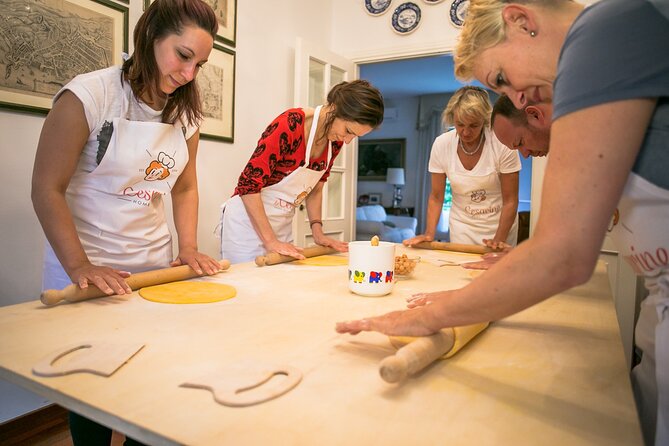
- Hands-on sfoglia rolling with guidance meant to help you understand the dough, not just repeat moves
- Two pasta types from scratch, so you actually leave with more than one skill
- Aperitivo + local wines served alongside the meal you prepare
- Tiramisu teaching geared to the classic outcome, not a complicated show version
- Diet swaps are possible, with veggie and gluten-free options available
- Small group size (max 12) keeps the kitchen pace comfortable
Why This Sanremo Cooking Class Feels Like Italy, Not a Performance
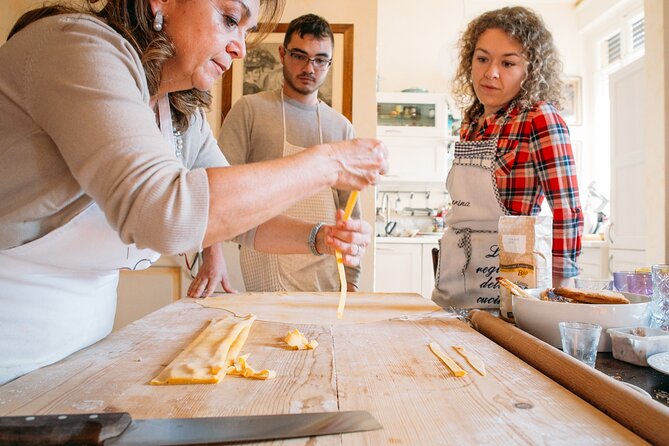
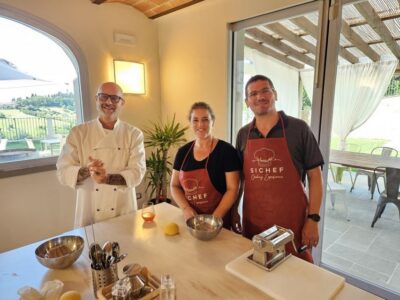
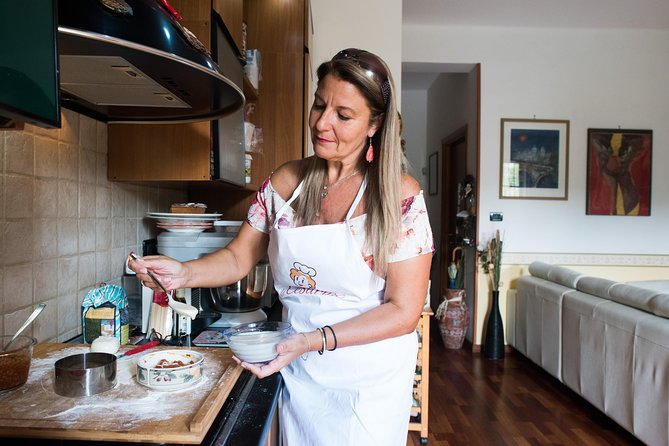
If you want Italian food that goes beyond ordering and eating, this is the type of class that makes sense. In Sanremo, you learn in a local host’s home, guided by a Cesarine cook—part teacher, part host, and big on family-style cooking habits. It’s designed to help you leave with a couple of dishes you can realistically recreate, not just a memory.
Cesarine is built around “home cook” experiences across more than 500 cities, and that matters. You’re not learning in a studio. You’re learning in someone’s kitchen, using their rhythms, their tools, and their regional approach to food.
You can also read our reviews of more tours and experiences in Sanremo.
Meet Your Cesarine Host and Set Expectations for 3 Hours
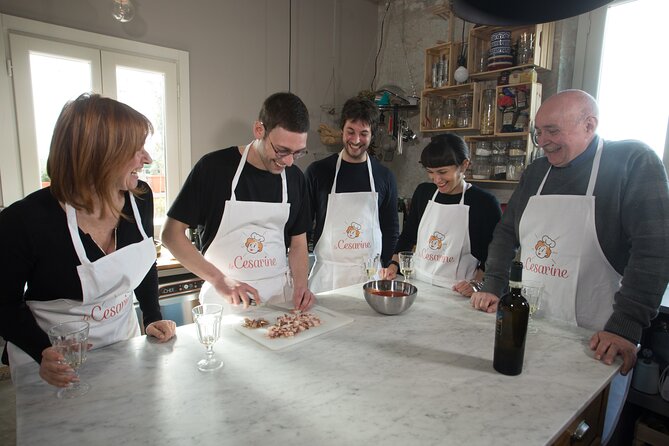
This experience runs about 3 hours, and it’s capped at 12 people. That group size is one of the reasons the class works: there’s room for questions, and the host can keep an eye on dough consistency and timing. You’ll start at 18038 Sanremo (near public transportation) and end back at the same meeting point.
Before you get into the cooking, you’ll have an Italian aperitivo warm-up. That’s not just a nice touch; it helps you settle in, chat with the group, and start thinking about Italian dining as something social—not only technical.
Sanitation rules are taken seriously here. The homes provide essentials like paper towels and hand sanitizing gel, and they ask you to keep about 1 meter distance. If you can’t, you’ll be asked to wear masks and gloves, so it’s smart to pack the mindset that the class will be run with care and order.
The Real Skill: Rolling Fresh Sfoglia by Hand
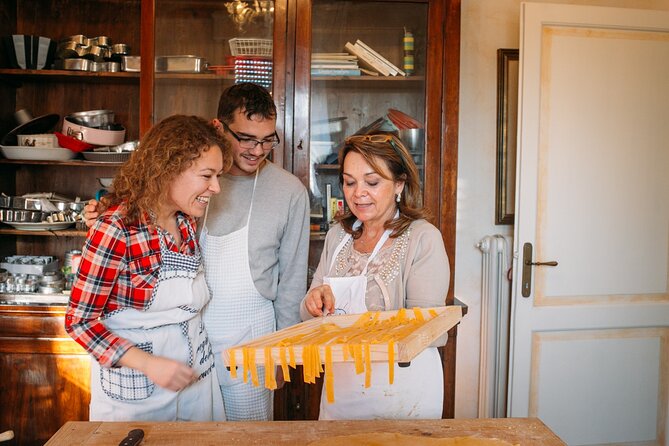
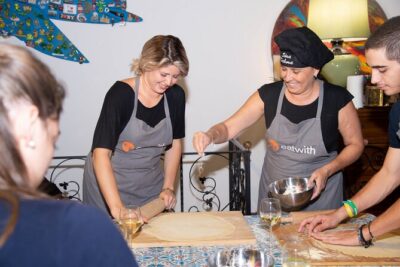
The star skill is rolling sfoglia, fresh pasta dough, by hand. This is one of those techniques that makes you understand Italian cooking more deeply, because the dough’s texture and elasticity change with every step—mixing, resting, and rolling. When a class teaches it well, you stop thinking of pasta as something you buy and start thinking of it as something you control.
The most valuable part is learning the reasons behind each move. A Cesarine host named Emanuela is specifically called out for explaining step by step and for explaining why she does what she does, not just what you should copy. That approach helps you troubleshoot when your dough behaves differently at home.
In practical terms, you’ll want to bring patience. Fresh dough responds fast to small differences in handling. If you’ve never worked with flour and rolling before, you might feel awkward for a few minutes. That’s normal; it’s also why a small group and hands-on setup matter.
Making Two Different Pastas From Scratch (Without Stressing the Details)
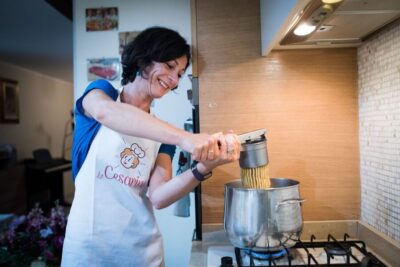
You’ll prepare two simple different kinds of pasta from scratch. The goal is not complexity for its own sake. Instead, you learn core pasta-building habits—how to make the dough, how to shape it, and how to cook it once it’s ready.
What you should focus on as you cook:
- Dough feel: if it’s too dry or too sticky, it affects rolling and shaping
- Timing: fresh pasta is quick once it goes to the boil
- Shaping basics: small differences change how pasta holds sauce
Even if you don’t remember every step exactly, you’ll likely remember the logic. That’s what turns a one-time class into a skill you can use later.
One consideration: the class is hands-on, which means you’ll be working in someone’s kitchen with a guided flow. If you’re hoping for a relaxed sit-down cooking lecture, this may not match that vibe. But if you like to cook along and learn by doing, that’s where this experience pays off.
Aperitivo First, Then a Proper Meal With What You Made
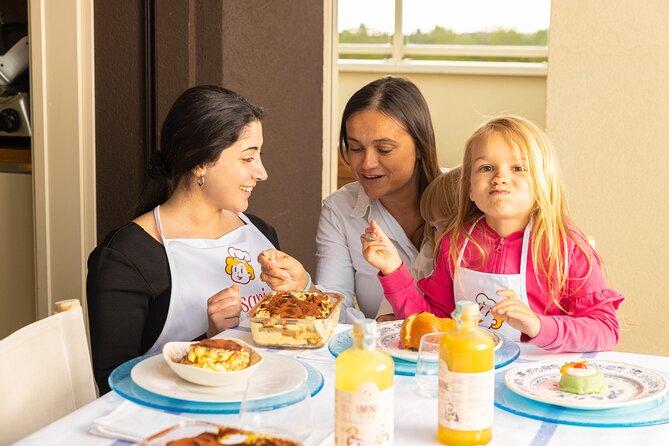
The aperitivo warm-up sets the tone for an Italian home experience. You’ll get a chance to taste and chat before the real work starts, and it helps you shift from travel mode into food mode.
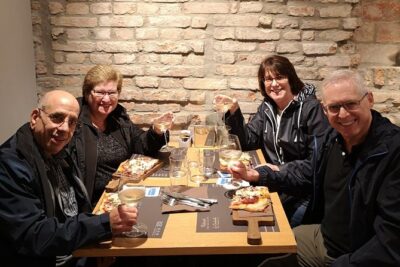
After cooking, you eat what you prepared, with a selection of local wines, water, and coffee included. That part is important for value. You’re not paying for instruction only—you’re paying for a full food moment built around your labor. And because it’s tied directly to what you cooked, you’ll understand better why certain choices work.
This is also where the home setting shows its advantages. You’re not eating an anonymous plate. You’re eating a meal that reflects the host’s household style and regional cooking habits, served in the same space where you learned.
Tiramisu Lessons: How to Get the Classic Right
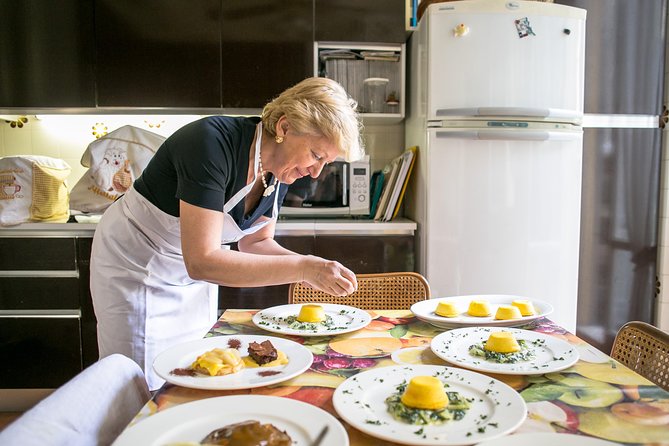
Finishing with tiramisu is a smart move. It’s one of Italy’s most recognizable desserts, but it can also be surprisingly easy to mess up if you skip technique. In this class, you’ll learn how to make tiramisu as part of the hands-on cooking session.
What makes this worth your time is the structure. You’re learning pasta skills first, then shifting to dessert. That pacing helps you stay engaged while you build confidence in two different kitchen areas: dough work and dessert assembly.
You can also think of tiramisu as a test of attention. The dessert is sensitive to timing and texture. When a home cook shows you the steps and the reasoning, you’re more likely to repeat it successfully later.
If you like desserts but feel intimidated by Italian recipes, this is a good on-ramp—because you’re learning with guidance in a kitchen where someone can correct you in real time.
Dietary Options That Don’t Feel Like an Afterthought
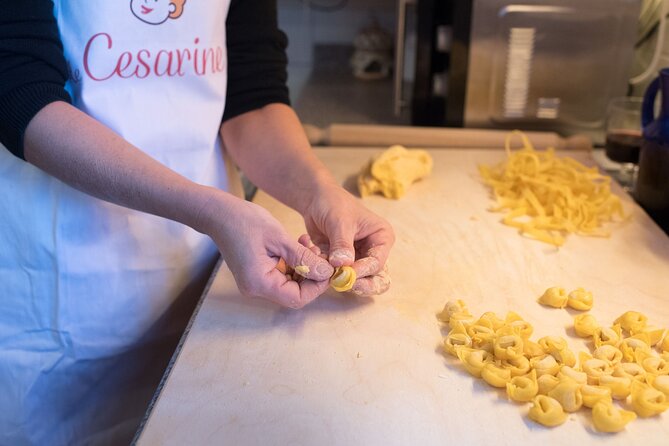
You don’t have to force a square peg into a round hole here. The experience offers veggie and gluten-free options. That means the class is designed to accommodate different eating needs rather than simply handing everyone the same plate.
That said, when you book, it’s worth choosing the option that matches your needs. Gluten-free and vegetarian cooking often involve changes in ingredient choice and preparation steps, so it’s best to plan ahead so the host can set things up properly.
Sanremo Logistics That Make Booking Easier Than You’d Think
Start point is in Sanremo at 18038 Sanremo, Province of Imperia, Italy, and the activity ends back at the meeting point. It’s also near public transportation, which is handy in a city where you might not want to rely on taxis for short hops.
You’ll receive confirmation at booking, and you’ll get a mobile ticket. That keeps things simple and reduces the chance you’ll arrive with the wrong paperwork.
Because it’s in a home, the kitchen setup matters. You should arrive on time so the host can manage timing and sanitation without rushing. Also, bring a calm attitude toward group movement inside the house, since the home has its own layout and pace.
How Much Does It Cost, and Is It Good Value?
The price is $174.73 per person for about 3 hours. That’s not cheap, but you’re also paying for a full home experience: hands-on pasta instruction, tiramisu instruction, aperitivo, and then wine plus coffee and water to go with what you cooked.
Here’s why it can be good value compared with many food tours:
- You learn multiple dishes (two pastas + tiramisu), not just one
- You eat what you cook, so the meal isn’t an add-on
- Instruction is personal thanks to the max 12 group size
- You leave with real technique like rolling sfoglia by hand
If you’re the type who learns best by doing, the cost usually feels justified. If you mostly want sightseeing or only want to sample food without touching ingredients, you might find cheaper options elsewhere. But for a cooking-focused afternoon, this is priced like a serious food experience.
Who Should Book This Class (and Who Might Skip It)
This fits you well if:
- you want a hands-on Italian cooking experience in a local home
- you care about learning technique, not just tasting
- you’re into Italian food culture and want a meal that starts in the kitchen
- you can enjoy a small group setting with shared cooking tasks
It may be less ideal if you prefer big-scale restaurant experiences or you don’t enjoy working with dough and ingredients. Also, because sanitation rules and distancing are built into the running of the class, go into it expecting structure, not a casual free-for-all.
Should You Book Pasta and Tiramisu at a Local’s Home in Sanremo?
I’d book it if you want real technique in a setting that feels local, not staged. The combination of sfoglia rolling, two pastas from scratch, and classic tiramisu—plus aperitivo and a sit-down tasting with drinks—adds up to a full afternoon centered on Italian cooking.
If you have dietary needs, the veggie and gluten-free options make it more workable than many hands-on classes. And if you like instruction that explains the reasons behind the steps (think Emanuela’s step-by-step approach), you’ll probably enjoy the way the lesson sticks.
If you’re on the fence, choose it when you want to leave with skills you can actually repeat at home. Skip it if you only want to sample food with minimal kitchen involvement.
FAQ
What dishes will I learn to make?
You’ll learn to roll fresh pasta dough (sfoglia) by hand, prepare two simple different kinds of pasta from scratch, and make tiramisu.
How long is the cooking class in Sanremo?
The experience lasts about 3 hours.
Where does it start and where does it end?
It starts at 18038 Sanremo, Province of Imperia, Italy, and it ends back at the meeting point.
What’s the group size?
The class has a maximum of 12 travelers.
Is there food and drink included?
Yes. You’ll start with an Italian aperitivo, and after cooking you’ll taste what you made with a selection of local wines, water, and coffee included.
Do they offer vegetarian or gluten-free options?
Yes. Veggie and gluten-free options are available.
What health and distancing rules should I expect?
The homes provide sanitary equipment, and you’ll be asked to keep 1 meter distance. If you get closer than that, masks and gloves are required.
How much does it cost, and can I get a refund if plans change?
It costs $174.73 per person, and it offers free cancellation with a full refund if you cancel up to 24 hours before the experience starts.