REVIEW · ROME
Authentic Pasta and Tiramisù cooking class at spanish steps
Book on Viator →Operated by cheforaday · Bookable on Viator
Fresh pasta starts with your hands. In Rome, that turns a food lesson into a real moment. You’ll learn the basics of egg-and-flour pasta step by step, then eat what you make—paired with wine—in a small group setting in the historic Piazza di Spagna area.
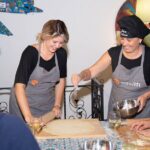
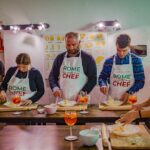
I like that this class is hands-on from the first dough minutes, not just watching someone else cook. I also like the small-group feel (max 20), which makes it easier to ask questions while you’re actually rolling, shaping, and learning the why behind the technique.
One consideration: the class clock runs about 2 hours, and time to eat isn’t included, so plan for a little extra time on top if you want things to feel unhurried.
In This Review
- Key highlights you’ll care about
- Why Piazza di Spagna Makes This Cooking Class Feel Like Rome
- What You’ll Learn First: Egg Pasta Basics You Can Actually Repeat
- Choosing Your Pasta Sauce: Amatriciana, Cacio e Pepe, or Tomato Basil
- What the Meal Feels Like: Wine, Water, and a Pace You Should Plan For
- Tiramisù, Cooked Together: Classic Layers and a Limoncello Finish
- Group Size, Who Teaches, and Why You Get a Certificate
- Price and Value: Why $53.53 Can Make Sense
- Who This Cooking Class Is Best For
- Should You Book This Pasta and Tiramisù Class?
- FAQ
- FAQ
- How long is the cooking class?
- Where does the experience start and end?
- Is the class offered in English?
- How big is the group?
- What is included in the class price?
- Which sauces can I choose for the pasta?
- Is tiramisù cooked by you during the class?
- What about alcohol for under 18 guests?
- Is there a mobile ticket?
- What’s the cancellation policy?
Key highlights you’ll care about
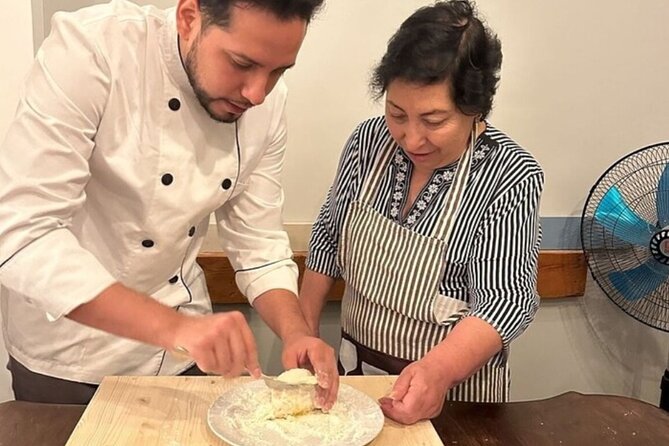
- You make egg pasta yourself, with guidance on the simplest, oldest hands-on technique.
- Choose your sauce: amatriciana, cacio e pepe, or tomato with basil (sauces not extra).
- Pasta and tiramisù are cooked together, then served as your sauces and batches.
- Wine is included (red or white) and you also get bottled water plus a limoncello at the end.
- A certificate is included, so you can remember the day beyond just photos.
- English-speaking format with a mobile ticket for easy entry.
Why Piazza di Spagna Makes This Cooking Class Feel Like Rome
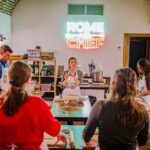
This isn’t a generic cooking lesson stuck inside a modern studio. The class happens in a historic restaurant setting near Piazza di Spagna, which instantly changes the vibe. You walk in and it feels like you’re stepping into old-school Rome, not a tourist kitchen.
The best part is how the setting matches the food. Italian pasta and tiramisù are both familiar, but learning them in a classic Roman dining space makes it feel more grounded. You’re not just copying recipes—you’re learning part of a culinary tradition that Italians take seriously.
Also, you’ll be in English, which matters. You can focus on the technique instead of mentally translating everything at the counter.
You can also read our reviews of more tours and experiences in Rome.
What You’ll Learn First: Egg Pasta Basics You Can Actually Repeat
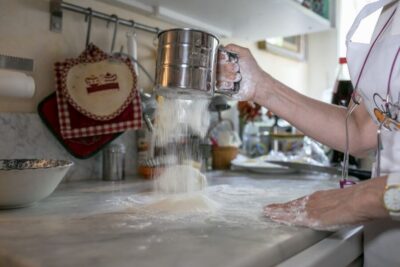
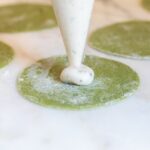
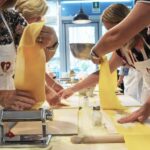
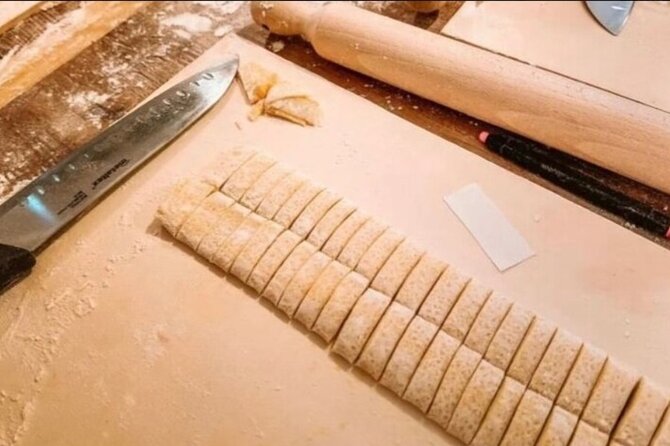
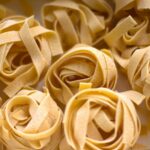
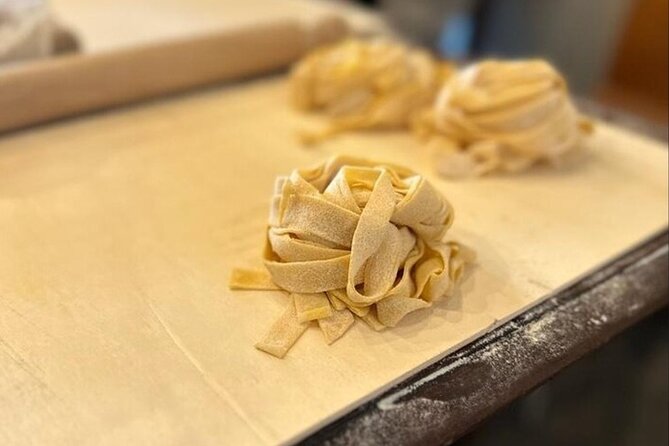
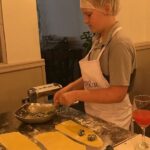
The starting point is simple egg and flour dough. You’ll learn how to turn those basics into pasta using only your hands, guided step by step. That sounds like a small detail, but it’s the core value here: if you can make the dough once with confidence, you can recreate the experience at home.
You’ll also hear about the dish and its history—plus the forms it can take. That part matters because it turns the class from a one-off meal into something you can use later. When you know what changes with each form, you’re more likely to choose the right pasta shape and sauce pairing at home instead of just following a list.
A practical bonus: the class provides necessary equipment. That means you won’t arrive wondering what rolling tools or bowls you need. You show up ready to work, and they set you up to focus on doing.
Choosing Your Pasta Sauce: Amatriciana, Cacio e Pepe, or Tomato Basil
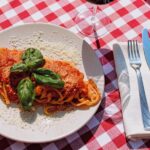
Here’s where you’ll feel the class get personal: you pick your sauce for your pasta dish. The options are amatriciana, cacio e pepe, or tomato with basil. You don’t have to commit to the one you think is safest for foreigners; you can choose what you actually want to taste.
And you’ll learn more than one cooking-style lesson. Each sauce pushes you to understand a different rhythm:
- Amatriciana leans into savory depth and comfort.
- Cacio e pepe is all about precision and getting the balance right.
- Tomato with basil is the straightforward, fresh flavor path, great if you like something lighter.
One small logistics detail worth knowing: pastas get cooked all together, then divided by sauce. In practice, that usually means you’re still actively involved, but you’re not waiting alone for a single batch to finish. It keeps energy up and helps the group move together.
You’ll also make fettuccine as the main pasta in the sample menu, so if you’re the type who likes a result you can reproduce in a real kitchen later, this is a friendly shape to start with.
What the Meal Feels Like: Wine, Water, and a Pace You Should Plan For
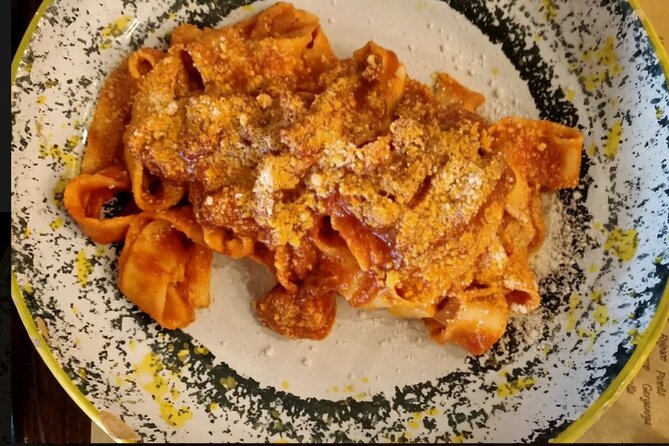
Your meal starts with a glass of red or white wine, plus bottled water. After you finish the pasta portion, your wine pairing continues with what you cook. You get a straightforward pairing idea: pasta you made, wine you chose, in a classic Roman meal flow.
You also have a built-in choice if alcohol isn’t your thing: you can swap to a soft drink instead. Alcohol is served only to guests +18 years old, so if you’re traveling with a younger group member, they may want to plan around that.
One timing reality: time to eat isn’t included in the 2-hour estimate. That’s not a problem—just don’t assume the 2 hours covers sitting down and lingering. If you’re trying to fit this between museum tickets or dinner reservations, give yourself buffer time. The best sessions feel unhurried, and your schedule should match that.
Tiramisù, Cooked Together: Classic Layers and a Limoncello Finish
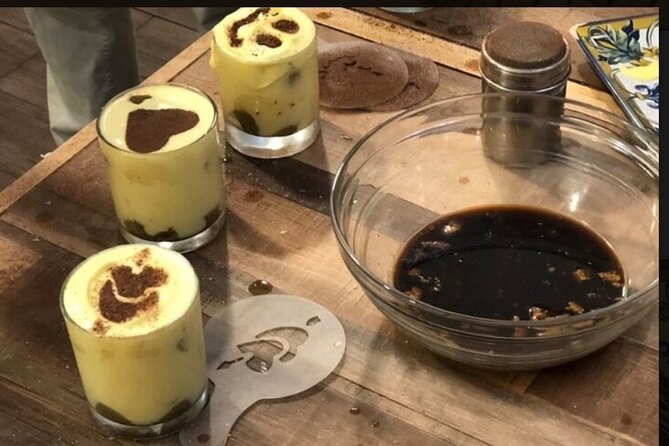
Dessert is classic tiramisù, and the class structure is fun here: tiramisù gets cooked all together. That usually means less waiting and more group energy. You’re all working through the same dessert build, which makes it easier to stay involved even if some steps take a bit longer.
In your sample menu, tiramisù is the dessert you’ll make at the end of the meal portion. You’ll also get 1 limoncello at the end. That’s a nice closing touch because it’s distinctively Italian and gives the evening a celebratory feel once the dessert is done.
A small heads-up: there’s no separate beginner-style explanation promised for everything beyond what you’re taught in class. So if you’re new to tiramisù, it helps to go in curious and ready to follow steps carefully. The class is set up to teach, but it still expects you to participate.

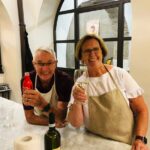
Group Size, Who Teaches, and Why You Get a Certificate
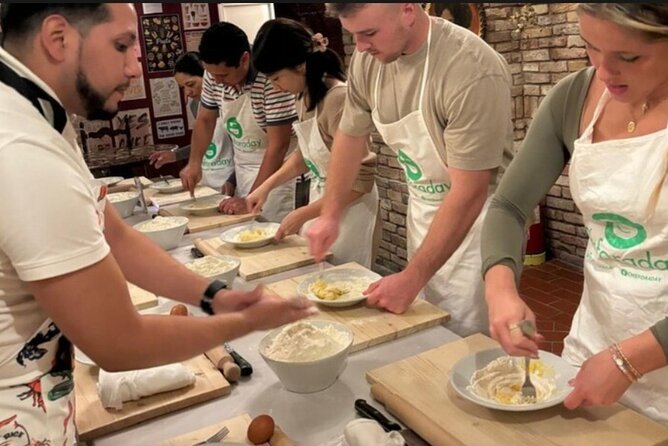
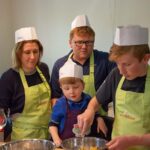
This is a small-group experience with a maximum of 20 travelers, and that number matters more than it sounds. When you’re learning dough technique—hands, texture, timing—too big a group can turn into a line that never quite catches up. Here, the size is small enough that questions and corrections are more realistic.
You may also see the name Chef Paolo associated with the experience, though the data notes that Chef Paolo might not be the teacher on the day. Either way, the promise you’re buying is consistent: someone will guide you step by step through the pasta and dessert process, and you’ll get hands-on help.
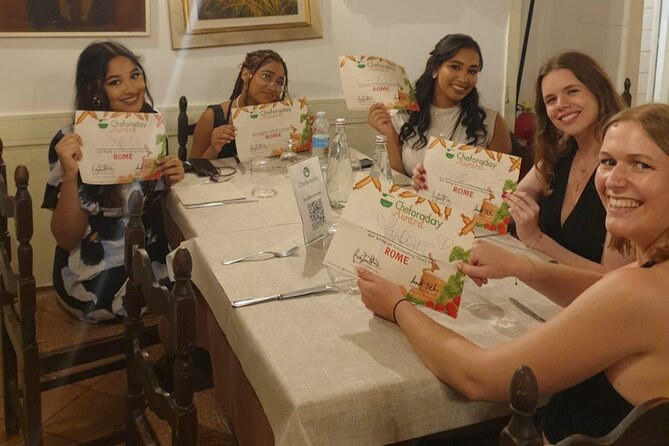
Then there’s the certificate. You’ll take home an award certificate / certificate of awareness at the end. That sounds like a small souvenir, but it works. It’s a clean way to make the class feel like an accomplishment, not just a meal. Put it in a folder with your photos and you’ll actually remember what you made and when.
Price and Value: Why $53.53 Can Make Sense
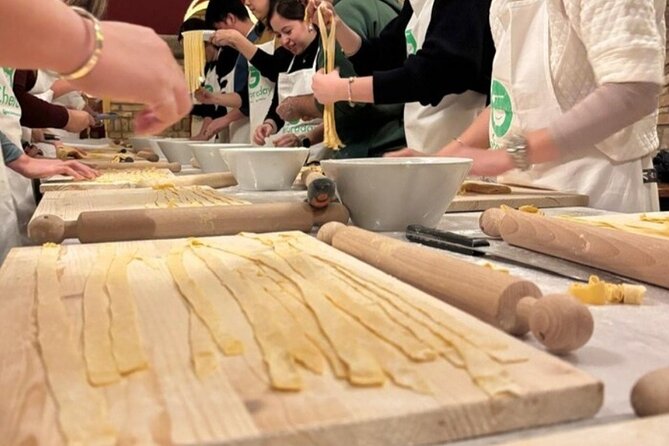
At $53.53 per person for about 2 hours, this class isn’t competing with cheap street-food options. It’s closer to paying for an experience: instruction, ingredients, equipment, wine, water, limoncello, plus your own final meal.
What makes it feel like good value is the bundle:
- You get to cook (not just watch).
- Your pasta sauce choice is included (you’re not paying extra for amatriciana vs cacio e pepe).
- You’re eating what you make, with wine included.
- Dessert (tiramisù) is part of the class, not an add-on.
- You get a certificate to take home.
Is it expensive compared to a casual dinner? Yes. But it’s often cheaper than what you’d pay if you tried to recreate this at home from scratch in a Rome grocery store, with tools and wine included.
One more value factor: it’s an English-speaking class in a top tourist neighborhood. Even if you’re comfortable navigating Rome, classes like this save time and stress. You show up, learn fast, eat well, and leave with something you can repeat.
Who This Cooking Class Is Best For
This is perfect if you:
- Want a practical Rome activity where you do real work at the station.
- Like the idea of learning classic Italian food without complicated tricks.
- Prefer small-group learning with a clearer chance to ask questions.
- Want a memorable “I cooked that” souvenir with the certificate to back it up.
It’s also a strong choice for couples and small groups who want one shared activity that ends in dinner.
You might consider a different option if:
- You’re only interested in sightseeing and don’t want any time spent cooking.
- You have a tight schedule right after the class, since time to eat isn’t included in the 2-hour estimate.
- You’re expecting a fully private lesson. This caps at 20, not one-on-one.
Should You Book This Pasta and Tiramisù Class?
If you like food and you want something you can recreate, I’d book it. The real win here is that you leave with confidence: egg pasta you made yourself, a sauce choice that matches your taste, and tiramisù that isn’t just ordered—it’s built with you.
Do it especially if you’ll be in the Piazza di Spagna area and you’d rather spend your limited time on a hands-on experience than another “look at the sights from a distance” stop. Just add a little schedule breathing room so the meal portion doesn’t feel rushed.
If you’re traveling with someone who doesn’t want alcohol, the soft drink alternative is built in, and bottled water is included. If you’re traveling with kids or teens, remember alcohol is only served to guests +18, so plan accordingly.
FAQ
FAQ
How long is the cooking class?
It’s listed at about 2 hours.
Where does the experience start and end?
It starts at V. della Croce, 34, 00187 Roma RM, Italy, and ends back at the same meeting point.
Is the class offered in English?
Yes, the tour is offered in English.
How big is the group?
It has a maximum of 20 travelers.
What is included in the class price?
The experience includes the cooking class, your pasta dish with a sauce of your choice, wine (red or white) or alternatively a soft drink, a limoncello at the end, bottled water, homemade tiramisù, and an award certificate.
Which sauces can I choose for the pasta?
You can choose amatriciana, cacio e pepe, or tomato with basil.
Is tiramisù cooked by you during the class?
Yes. Tiramisù is prepared all together as part of the class.
What about alcohol for under 18 guests?
Alcohol is served only to guests +18 years old.
Is there a mobile ticket?
Yes, it uses a mobile ticket.
What’s the cancellation policy?
Free cancellation is available up to 24 hours in advance for a full refund.