REVIEW · ROME
Pasta, Tiramisù & Gelato | Cooking Experience in Garbatella
Book on Viator →Operated by Carlotta Cooking School · Bookable on Viator
Pasta-making in Rome beats another museum day. In Garbatella, the Carlotta Cooking School turns a 3-hour evening into a proper food hangout: fresh pasta, tiramisù, and gelato, plus music and unlimited wine. You’ll learn techniques you can actually repeat at home, not just watch from the sidelines.
I especially like the hands-on setup and the friendly pacing. You’ll roll up your sleeves for fresh pasta formats (tagliatelle, ravioli, farfalle), then switch gears to a creamy tiramisù and finish with gelato you spin while it’s still fresh. And the vibe is built around sharing: you end by sitting down like an Italian family.
One thing to consider: this is based in a local neighborhood, so you’ll want to plan how you’ll get to Via Giulio Rocco, 37, and back. With a maximum of 12 people, it’s intimate, but you’ll still be cooking and dining with others, not in complete quiet.
In This Review
- Key highlights you’ll feel right away
- Garbatella pasta, tiramisù, and gelato: why this class feels local
- The 3-hour flow: aperitivo, dough work, dessert, then family-style dinner
- Entering the bright kitchen: Carlotta Cooking School’s real advantage
- Making fresh pasta in Rome: tagliatelle, ravioli, farfalle techniques you can use
- Tiramisù lesson: why the creamy part is where most people need help
- Gelato made fresh: the sweet finale that tastes different
- Unlimited wine, water, and coffee: social energy without feeling like a bar stop
- Meals, recipes, and take-home value: what you actually leave with
- Price and what $114.39 buys you in real terms
- Who this is best for (and who should skip it)
- Practical notes: meeting point and getting there without private transport
- Should you book this Garbatella pasta, tiramisù & gelato class?
- FAQ
- How long is the cooking experience in Garbatella?
- Where does the experience start and end?
- What’s the group size limit?
- What food and drinks are included?
- Are recipes included that I can take home?
- Is private transportation included?
- Can I cancel for a full refund?
Key highlights you’ll feel right away
- Aperitivo starts the fun before dough ever hits the table
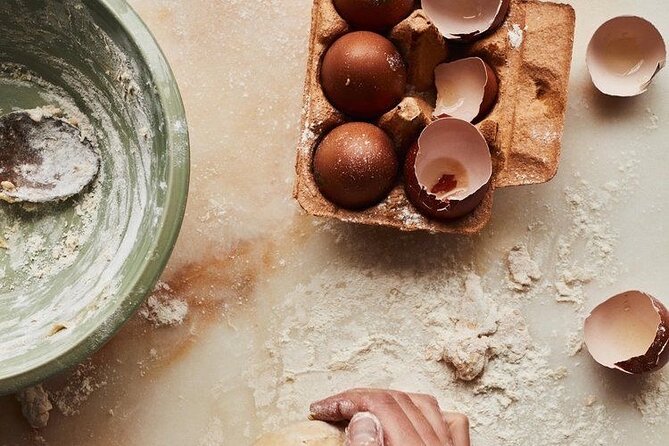
- Fresh pasta from scratch including tagliatelle, ravioli, and farfalle
- Tiramisù + gelato both included, so you’re not choosing one dessert
- Unlimited wine, water, and coffee make the meal feel like a full night out
- Carlotta’s kitchen is the star, bright, well equipped, and cared for
- Small group size (max 12) keeps things social but not crowded
Garbatella pasta, tiramisù, and gelato: why this class feels local
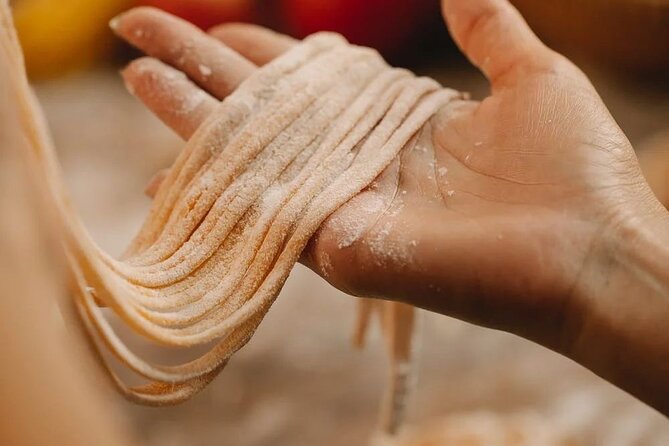
Garbatella is the kind of Rome neighborhood that doesn’t try too hard to impress you. It’s the real deal: everyday streets, local energy, and a calmer pace than the postcard zones. That matters because this experience is designed to feel like you’ve been folded into a neighborhood routine, not trapped in a scripted tourist production.
At Carlotta Cooking School, the focus is food you can talk about afterward, because you helped make it. Fresh pasta isn’t just a dish here; it’s the main event. The workshop also includes dessert that Italians actually care about—tiramisù—and a sweet finish that’s at its best when made fresh—gelato.
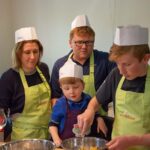
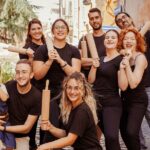
What stands out most in the overall setup is the host. Carlotta comes across as friendly, cheerful, and caring, and that tone is important in a cooking class. When the instructor is warm and supportive, you relax, ask questions, and actually learn the little steps that turn okay food into great food.
You can also read our reviews of more tours and experiences in Rome.
The 3-hour flow: aperitivo, dough work, dessert, then family-style dinner
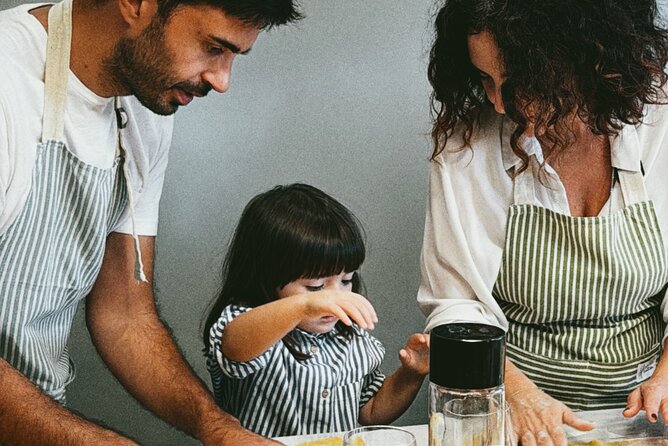
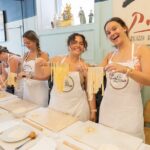
This is an approximately 3-hour experience, and it’s structured so you’re doing something most of the time. Expect a start that’s social, then progressively more hands-on: pasta-making first, tiramisù next, and gelato at the end. You finish by sitting down together to enjoy what you made.
Here’s the rhythm in practical terms:
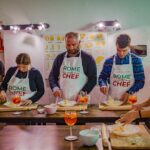
First comes a welcome aperitivo with snacks. This is not just a prelude—it’s your time to settle in, meet your group, and get comfortable with the space and the music before you start working with dough.
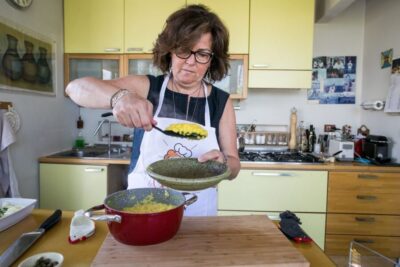
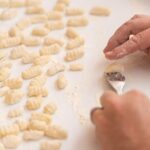
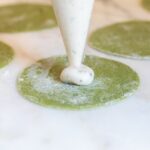
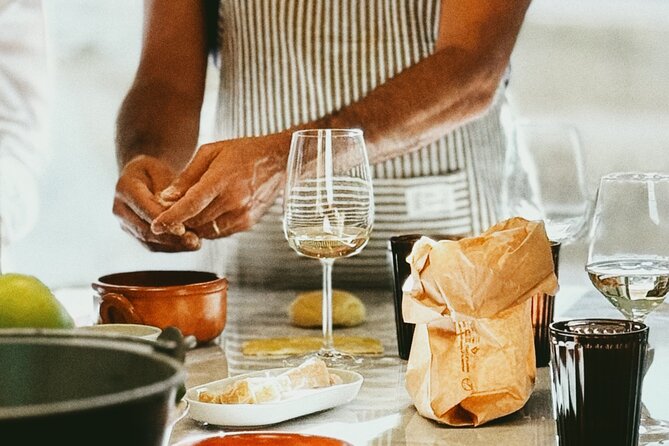
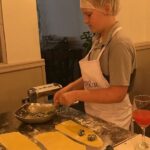
Then you get your hands into the process. You’ll make fresh pasta from scratch, creating the dough and shaping it into different formats. The class includes one pasta format in the meal at the end, but the workshop style is creative and you’ll work with the idea of multiple types.
After pasta, the energy shifts to desserts. You’ll whip up a creamy tiramisù and spin gelato. The order helps too: pasta warms you up, tiramisù is the satisfying mix-work moment, and gelato lands as the refreshing finale.
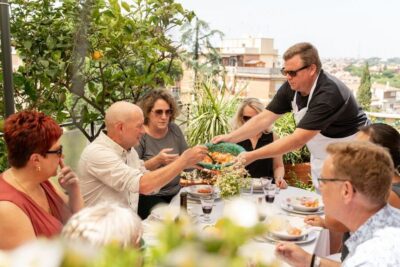
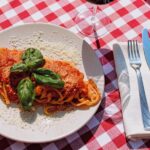
Finally, you sit down like a true Italian family and eat together. That family-style ending is a big deal because it turns a class into an actual meal experience—less like a demo, more like dinner.
Entering the bright kitchen: Carlotta Cooking School’s real advantage
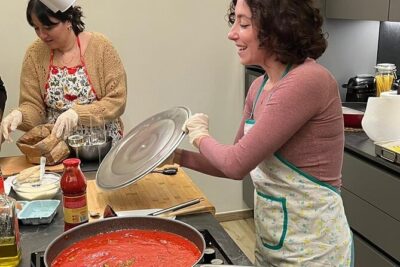
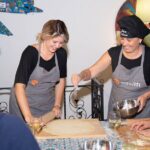
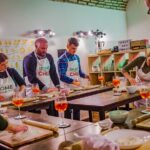
A cooking class lives or dies by the kitchen setup. Here, the details matter: the workshop is described as bright and very well equipped, with decoration that makes it feel welcoming rather than sterile.
That means you’re more likely to get hands-on time without fighting for space or missing key tools. And when the teaching space is organized, the pacing works better—especially for pasta, where you need the right workflow to roll, shape, and manage the dough.
Carlotta is the human factor that keeps it all from feeling rigid. The feedback highlights a host who is cheerful and caring, which typically translates to a class where you’re encouraged to ask questions and not worry if your first attempt is clumsy.
If you’ve taken cooking classes that feel like a factory line, this one is a calmer alternative. It’s still structured, but the social tone—music, laughs, good vibes—keeps the focus on learning through doing.
Making fresh pasta in Rome: tagliatelle, ravioli, farfalle techniques you can use
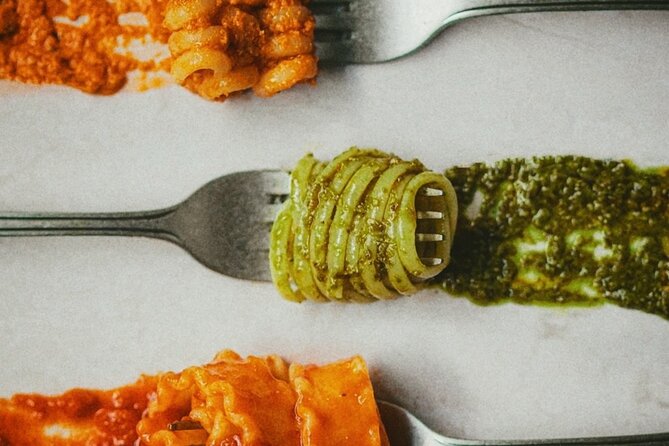
Fresh pasta from scratch sounds simple until you’re actually rolling dough. The class gives you that real experience: you’ll learn how to make pasta dough, then shape it into classic Italian types.
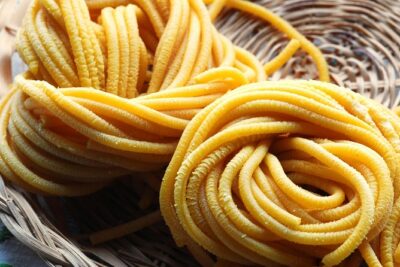
You’ll work with formats such as tagliatelle, ravioli, and farfalle. Even if your final meal includes one pasta type, the workshop approach is about learning the shapes and what each one is good for. That’s valuable because pasta is as much about texture and shape as it is about ingredients.
What I like here is the practical emphasis. Pasta-making is a skill set, not a single recipe. You learn the feel: dough texture, rolling thickness, and how shaping affects the final bite. That means you’ll be more confident recreating it later instead of copying a single step from a cooking video.
One thing to keep in mind: pasta requires attention and some patience. If you’re the kind of person who hates getting flour everywhere, wear clothes you don’t mind getting a little dusted. You don’t need to overthink it, but comfort helps you focus on technique.
Tiramisù lesson: why the creamy part is where most people need help
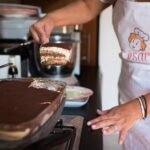
Tiramisù is one of those desserts where people assume they know it, until they try making it. The class includes making tiramisù from scratch, and that’s smart because it’s not only about assembly.
Tiramisù lives or dies on texture: the creamy balance, the smoothness, and how the layers come together. Having a guided cooking experience for that step makes a big difference, because you can’t fully fix tiramisù later if the mix is off.
In your session, you’ll whip up a creamy tiramisù as part of the same 3-hour experience. That helps for two reasons. First, you don’t have to stretch your evening by finding separate dessert workshops. Second, it keeps the momentum going after pasta work, so you stay engaged rather than mentally winding down too early.
If you’re traveling with someone who wants both savory and sweet, this is a perfect compromise. You get real food craft twice—pasta and dessert—before the final sweet finish.
Gelato made fresh: the sweet finale that tastes different
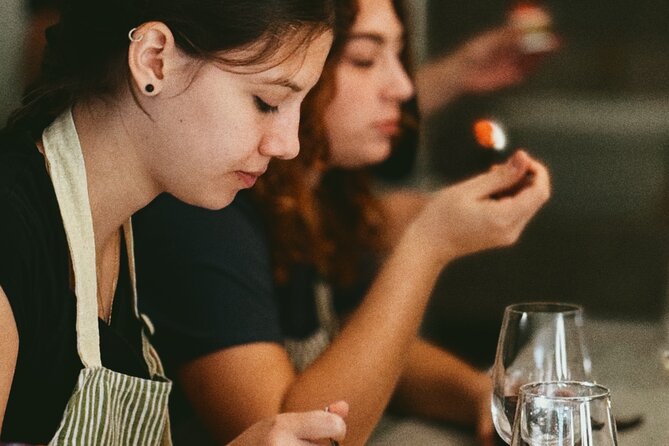
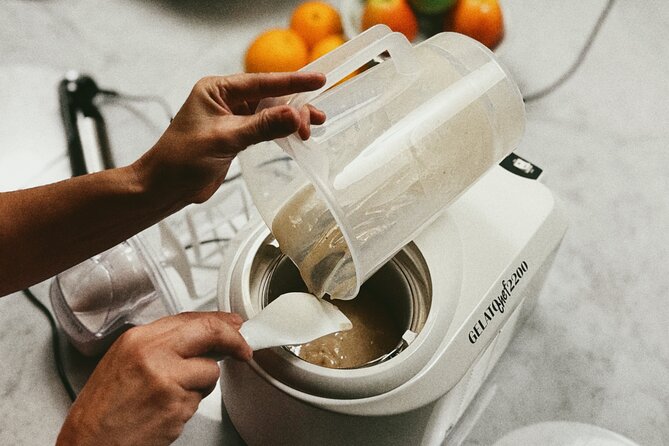
Gelato is the final element, and it’s included as part of the class. You’ll spin fresh gelato as the tasting-worthy conclusion. This matters because gelato is best when it’s made and handled with care. When it’s fresh, it feels lighter and smoother, not just like a dessert you ordered.
The class pairing is also thoughtful. After pasta and tiramisù, you’ve already had time for heavier flavors and creamy textures. Gelato gives you a clean, cool reset at the end, which makes the overall meal feel balanced.
If you care about learning the method rather than only eating the product, gelato is a strong capstone. You’ll likely come away with ideas about what flavors work best and how consistency changes when you make it yourself.
Unlimited wine, water, and coffee: social energy without feeling like a bar stop
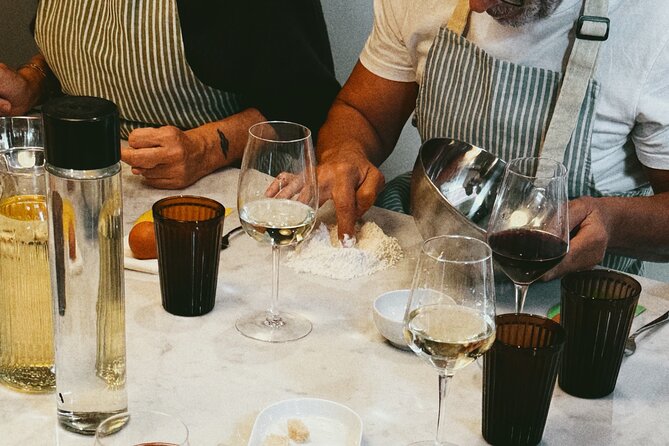
One of the standout inclusions is unlimited wine, plus water and coffee. That changes the tone. Instead of a quick tasting with limited drinks, you’re settling into a proper meal rhythm where the class feels like dinner with friends who happen to teach you.
The experience is also set with music, plus photos. The photos matter in a practical way: they help you capture the moment without you having to manage a camera while you’re busy learning.
This doesn’t mean it turns into a party. The small size and the kitchen-based flow keep it grounded in cooking. Still, if you want a calm, quiet experience with zero alcohol, this might not be the best match, because the drink program is part of the design.
Meals, recipes, and take-home value: what you actually leave with
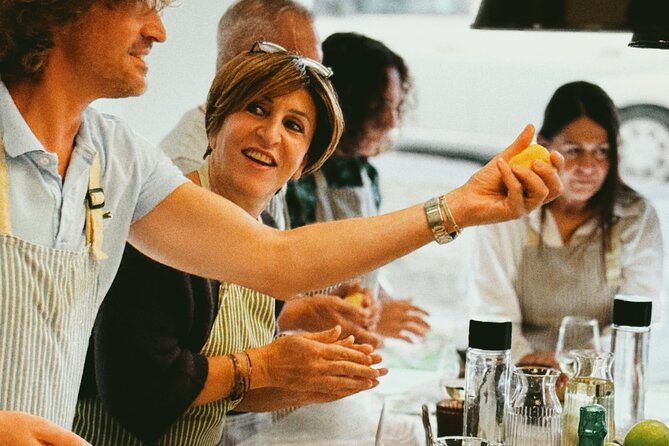
You’re not walking out empty-handed. The experience includes ingredients, cooking tools, and recipes you can take home. That last part is huge for value.
A lot of food experiences stop at eating. This one gives you the materials and instructions to replicate what you learned. For pasta, that can mean you’ll be able to re-create the dough and the method. For tiramisù and gelato, it helps you recreate the feel and timing, not just the final look.
You’ll also get the meals: welcome aperitivo, pasta (one type), tiramisù, and gelato. Plus the drinks: unlimited wine, water, and coffee.
In other words, you’re paying for a full-food evening, not just a short tasting session. That’s why it works as a travel memory and as a future dinner plan.
Price and what $114.39 buys you in real terms
At $114.39 per person for about 3 hours, you’re paying for three things at once: hands-on cooking instruction, a full meal, and included drinks. If you’ve done Rome food tours before, you know that the gap between a tasting tour and a cooking class can be big—mostly because cooking classes include labor, tools, and ingredients.
Here, your cost is wrapped into the whole experience: fresh pasta work, tiramisù, gelato, aperitivo, snacks, unlimited wine, and take-home recipes. There’s no need to budget separately for dessert or to search for a gelato stop afterward.
So the value question is not only price; it’s whether you want to learn and eat in one package. If you do, this is a solid deal. If you only want to sample a few bites and move on, you might find it feels like more time than you need.
Who this is best for (and who should skip it)
This cooking experience is ideal if you want a fun, hands-on Rome evening that isn’t tied to crowds or long lines. The small group size (max 12) makes it friendly and manageable, and the Carlotta-led atmosphere keeps it from feeling stressful.
It’s also great for:
- Couples who want a shared activity with a real meal at the end
- Food lovers who like practical skills, not just stories
- Travelers who want a local neighborhood feel in Rome, not only central sights
- Anyone who wants pasta and dessert in the same night
You might want to skip it if:
- You prefer a strictly non-alcohol experience (wine is unlimited)
- You want a purely sightseeing itinerary rather than a kitchen-focused one
- You don’t want to cook or get a little dough involved
Practical notes: meeting point and getting there without private transport
This activity starts and ends back at the meeting point: Via Giulio Rocco, 37, 00154 Roma RM. It’s listed as near public transportation, which helps a lot. What you’ll want to do is map the exact stop and give yourself a little buffer time, since neighborhood streets can be confusing when you’re hungry and heading to a kitchen.
Private transportation is not included. That’s normal for many cooking classes, but it’s worth planning for. If you’re relying on taxis or rideshare, build in a little extra time so you don’t feel rushed at arrival.
The good news: because it ends back at the meeting point, you’re not stuck figuring out a new location for dinner afterward. You’ll have a straightforward finish point.
Should you book this Garbatella pasta, tiramisù & gelato class?
I’d book it if you want a small-group, kitchen-based Rome experience where you actually make the food and then eat it together. The strongest selling points are the mix of hands-on pasta plus two included desserts, and the social, welcoming hosting style led by Carlotta. The feedback consistently points to a bright, well-equipped kitchen and a genuinely warm atmosphere, which is exactly what you want when you’re learning something new.
Skip it if you’re chasing a sightseeing-heavy day, or if unlimited wine is a deal-breaker for you. Also, make sure the meeting point works with your transport plan, since there’s no private ride added.
If you’re looking for a memorable night that feels like local life—even though you’re a visitor—this cooking class fits the bill.
FAQ
How long is the cooking experience in Garbatella?
It’s approximately 3 hours.
Where does the experience start and end?
It starts at Via Giulio Rocco, 37, 00154 Roma RM, Italy and ends back at the meeting point.
What’s the group size limit?
The experience has a maximum of 12 travelers.
What food and drinks are included?
You get a welcome aperitivo, pasta (one type), tiramisù, and gelato. Drinks include unlimited wine, water, and coffee.
Are recipes included that I can take home?
Yes. You receive recipes to take home.
Is private transportation included?
No, private transportation is not included.
Can I cancel for a full refund?
Yes. You can cancel up to 24 hours in advance for a full refund.